Start-Up Chile — CORFO's Global Talent-Attraction Accelerator
Chile
Chile's CORFO built the world's first public accelerator in 2010, drawing 5,000+ applications a year and funding 240+ startups; a …
Barbados · Bridgetown · See the Barbados profile · See the Bridgetown profile
Evidence: Observational / pre–post Top 74% 57/100 · Ask Evidence Copilot about this practice
Barbados' 12-month remote-work visa, launched April 2020, drew 8,199 applications and 1,381 paid visas by 2023 (min. US$50,000 household income), earning at least BBD 6M in fees and inspiring many copycat schemes — though about a fifth of approved visas were never activated.
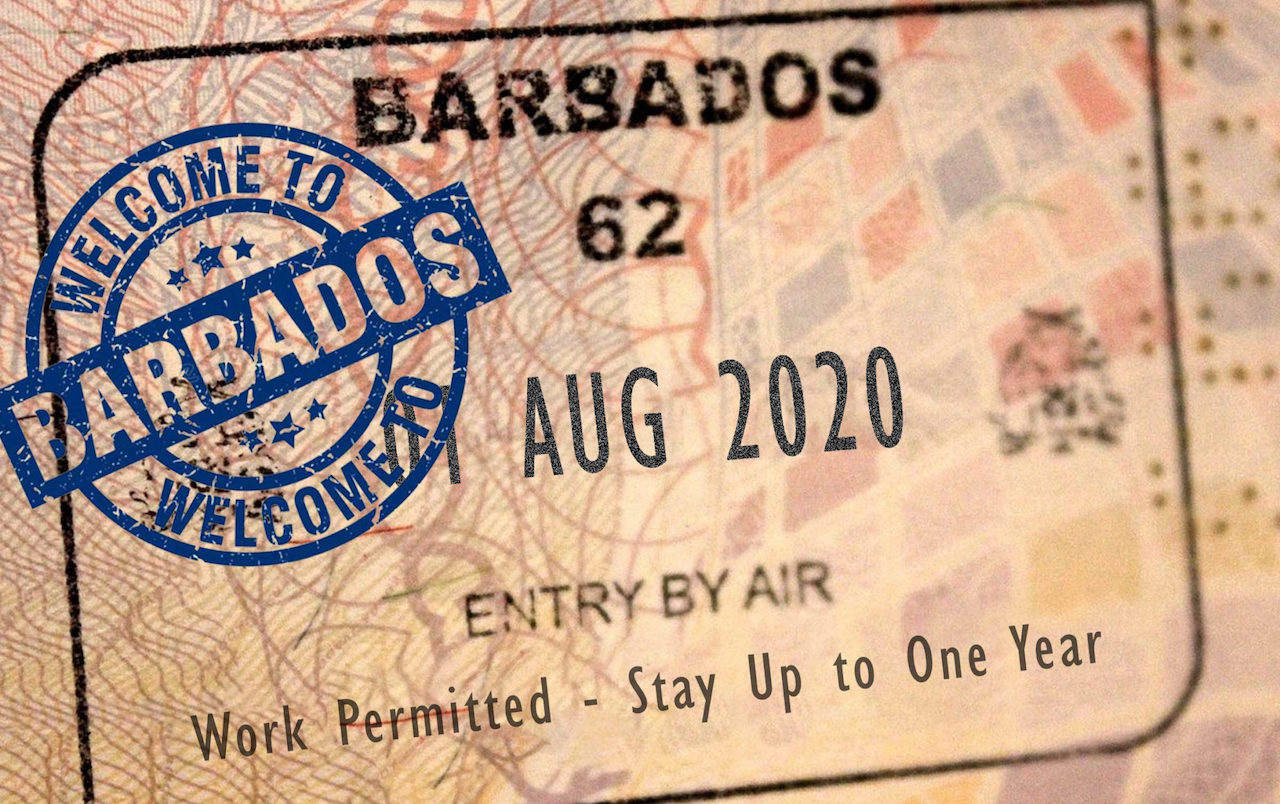
In April 2020, as pandemic border closures threatened its tourism-dependent economy, Barbados launched the Barbados Welcome Stamp: a 12-month visa letting remote workers and their families live and work from the island while remaining employed abroad. Applicants need a minimum household income of US$50,000 and pay a non-refundable fee (BBD 6,000 for individuals, BBD 4,000 for families); income earned abroad is exempt from Barbadian income tax for the visa's duration.
The scheme aimed to protect the tourism-dependent economy during pandemic border closures by attracting remote workers who would spend money locally while remaining employed abroad.
Applicants apply online, meet the income threshold, and pay the non-refundable fee; the largest applicant countries were the United States, United Kingdom, Canada and Nigeria.
By the end of its first year the programme had approved 1,987 applications. Tracking published by Barbados Today shows that between 2020 and 2023 it drew 8,199 total applications, of which 2,897 visas were approved and 1,381 fee payments were actually made — generating at least BBD 6 million (about US$3 million) in direct visa revenue. 1,516 approved applicants never paid, and 375 who received visas never activated them on arrival. Barbadian officials and business press have pointed to indirect spending — a preliminary estimate puts typical household spending at about US$55,000 a year, implying an annualised economic contribution above US$100 million if sustained at scale — though this figure is a preliminary estimate rather than an independently audited measurement.
The scheme is widely credited as one of the first 'digital nomad visas' of the pandemic era and has since been echoed by dozens of similar programmes worldwide. The US$50,000 income threshold and non-refundable fee restrict eligibility to higher-income applicants.
National / regional programmes
Indicative funding routes for practices of this type — always check each programme's current calls and eligibility rules.
Do you run this practice? Claim it — verified implementers get a public contact pathway and can propose corrections.
Where this practice's information was retrieved from, and when.
Chile
Chile's CORFO built the world's first public accelerator in 2010, drawing 5,000+ applications a year and funding 240+ startups; a …
Japan
Japan's first startup deregulation zone (2014) and first city to introduce a Startup Visa (2015). Public incubator FGN helped 98 …
Finland
A city-run one-stop service centre, created under Finland's Talent Boost programme, that bundles settlement, permits and employer advice for international …
Chile
Since 2010, Chile's CORFO agency has offered equity-free seed capital and a work visa to attract foreign founders to Santiago; …
Open full copilot Grounded in cited practices — always check the sources.