Plan9 — Pakistan's Largest Government-Backed Tech Incubator
Pakistan
Punjab's state-run Plan9 incubator says it has graduated 1,100+ startups and created 24,000+ jobs since 2012 across seven cities — …
Belarus · Minsk · See the Belarus profile · See the Minsk profile
Evidence: Observational / pre–post Top 89% 48/100 · Ask Evidence Copilot about this practice
Minsk's 2005 tax-free IT zone grew ICT to 7.4% of GDP and $3.8bn in exports by 2021, but the 2020 crackdown and 2022 war drove a fifth of its workforce out within 10 months and cut exports 45% by 2023 — proof that incentives alone can't retain mobile talent.
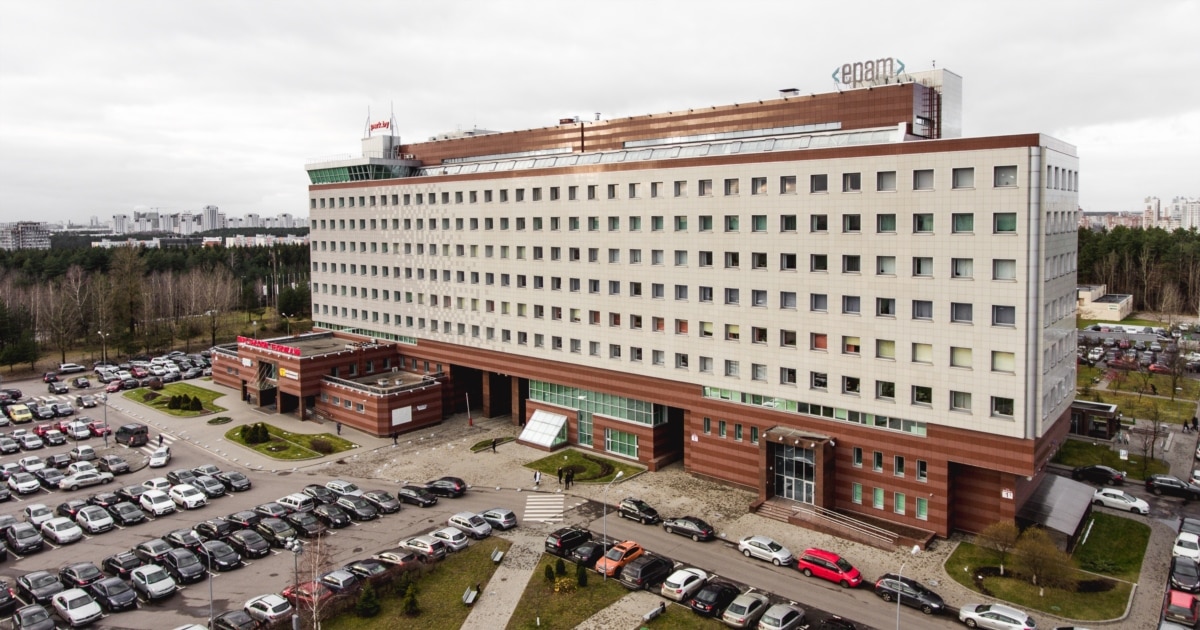
Belarus's Hi-Tech Park (HTP) was created by presidential decree in 2005 as a special legal regime in Minsk: resident companies are exempt from most corporate taxes and instead pay a 1% infrastructure levy, employees benefit from a preferential income-tax rate, and the zone offers simplified visas and residence permits.
Attract and grow internationally competitive information-technology and software-outsourcing companies through tax, legal and immigration incentives concentrated in a single special economic zone.
HTP went on to host EPAM Systems, Wargaming (maker of World of Tanks) and Viber among its residents. Between 2016 and 2021 the ICT sector grew more than 14% a year on average, employing 88,500 people (2.4% of the national workforce) at wages up to four times the national average, and exporting $3.8 billion (7.5% of the country's total exports) by 2021. In August 2020 the government's crackdown on post-election protests included a 61-hour internet shutdown estimated to cost $56 million a day, prompting tech CEOs to publicly warn they would relocate. When Belarus backed Russia's 2022 invasion of Ukraine, the sector lost 17,200 employees — nearly 20% of its workforce — between March and December 2022 alone, as companies relocated to Poland, Lithuania, Georgia and Uzbekistan.
By 2021, at its peak, the ICT sector reached 7.4% of Belarus's GDP, matching Estonia's level. By 2024, HTP employment had fallen roughly 30% since 2022 to 56,000, and ICT service exports had dropped 45%, from $3.2 billion in 2021 to $1.8 billion in 2023.
HTP shows that tax and infrastructure incentives can generate genuine, large-scale company growth — but that the same mobile, English-speaking, remote-capable workforce an incentive regime attracts can leave just as fast once political stability, internet freedom or rule of law are put in doubt.
National / regional programmes
Indicative funding routes for practices of this type — always check each programme's current calls and eligibility rules.
Do you run this practice? Claim it — verified implementers get a public contact pathway and can propose corrections.
Where this practice's information was retrieved from, and when.
Pakistan
Punjab's state-run Plan9 incubator says it has graduated 1,100+ startups and created 24,000+ jobs since 2012 across seven cities — …
Canada
Since 2004, Toronto's TRIEC Mentoring Partnership has logged 27,000+ mentoring matches for skilled immigrants; an independent, federally funded evaluation found …
Iceland
Reykjavík City and Iceland's government cut over 2,500 public workers to a 35–36 hour week at full pay; productivity held …
Ireland
Ireland's Connected Hubs network grew from a 2019 pilot to over 400 co-working hubs in every county by 2025; the …
Open full copilot Grounded in cited practices — always check the sources.