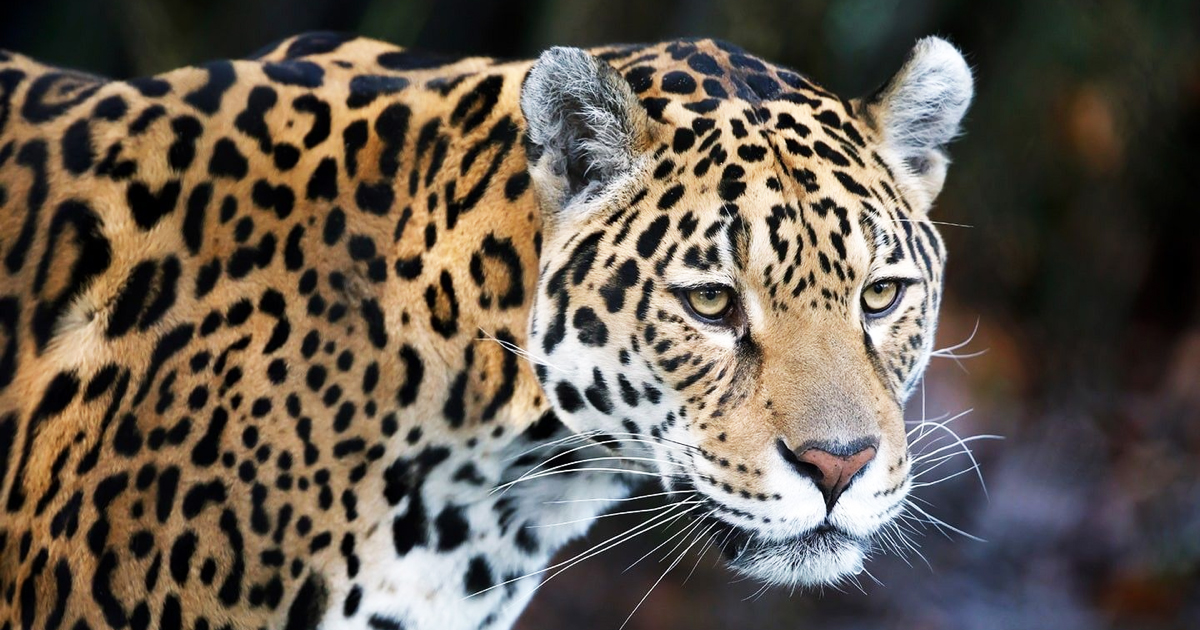
In a 12-million-hectare South Sudan landscape, a 2024 aerial survey counted six million migrating antelope — Earth's largest land-mammal migration — now a 2026 UNESCO World Heritage Site under an African Parks-government partnership, though poaching persists outside its core.
~12 million hectares
Landscape area (n/a)
~6 million animals
Estimated migrating antelope (2024 aerial survey)
Details
Maturity
Established
Promoter
African Parks (in partnership with the Government of South Sudan)
The Boma-Badingilo Migratory Landscape spans nearly 12 million hectares of savanna, floodplain, wetland and woodland in South Sudan's Jonglei and Eastern Equatoria states, linking Boma National Park, Badingilo National Park and the community-held corridors between them. Since 2022, African Parks has held a long-term, renewable management partnership with the Government of South Sudan, working with Rainforest Trust and local communities to re-establish park boundaries and designate unprotected corridor land as Community Conservancies.
Results
A 2024 aerial survey counted an estimated six million migrating antelope — white-eared kob, tiang, Mongalla gazelle and Bohor reedbuck — moving seasonally between the two parks and into Ethiopia's Gambella and Omo landscapes, alongside African savanna elephants, lions, cheetahs and the Critically Endangered Nubian giraffe. This is documented as the largest land-mammal migration on Earth and was the primary evidence base for the landscape's inscription as South Sudan's first UNESCO World Heritage Site on 29 July 2026.
Conclusions
UNESCO simultaneously placed the site on the List of World Heritage in Danger, citing unsustainable bushmeat poaching of migratory herds outside the formally protected core, particularly in Jonglei State during the dry season — an acknowledged governance gap the partnership is still working to close.
Implementation
Indicative cost
High (€500k–€5M) — No public total budget figure is reported for the management partnership; funded through African Parks and Rainforest Trust conservation financing.
Time to results
Long (> 3 years) — Long-term, renewable management partnership since 2022, culminating in UNESCO World Heritage inscription in July 2026.
Staffing & skills
African Parks, park management partner, Government of South Sudan, sovereign partner, Rainforest Trust, conservation NGO partner, local communities, co-managers of Community Conservancies
Conditions for success
Long-term, renewable management partnership between African Parks and the national government since 2022
Re-establishment of formal park boundaries paired with new Community Conservancies on unprotected corridor land
A rigorous 2024 aerial survey providing the evidence base for UNESCO World Heritage inscription
Common failure modes
UNESCO simultaneously listed the site as 'World Heritage in Danger', citing unsustainable bushmeat poaching of migratory herds outside the formally protected core
Poaching pressure is particularly acute in Jonglei State during the dry season, an acknowledged governance gap
Where it fits
Governance type
NGO park-management partnership with national government
Scale
landscape (nearly 12 million hectares)
Income level
low-income, conflict-affected (South Sudan)
Commonly funded by
Philanthropic / foundation funding
Indicative funding routes for practices of this type — always check each programme's current calls and eligibility rules.
Do you run this practice?
Claim it —
verified implementers get a public contact pathway and can propose corrections.
Data sources
Where this practice's information was retrieved from, and when.
Since 1997, GEF-backed UNDP/UNOPS support has helped Yemen's Socotra Archipelago define 426 km2 of nature sanctuaries, national parks and resource-use …