West Africa Regional Communications Infrastructure Program – Mauritania (WARCIP)
Mauritania
A US$30M IDA credit plus EIB co-financing built roughly 1,700km of national fiber backbone in Mauritania between 2013 and 2022, …
Saint Lucia · Castries · See the Saint Lucia profile
A 2019 public-private broadband build (CARCIP) and a follow-on World Bank project lifted Saint Lucia's connectivity from about 53% to over 78% and cut monthly data costs from $3.50 to $2.23, while over 11,000 people across the OECS region gained IT/ITES certifications.
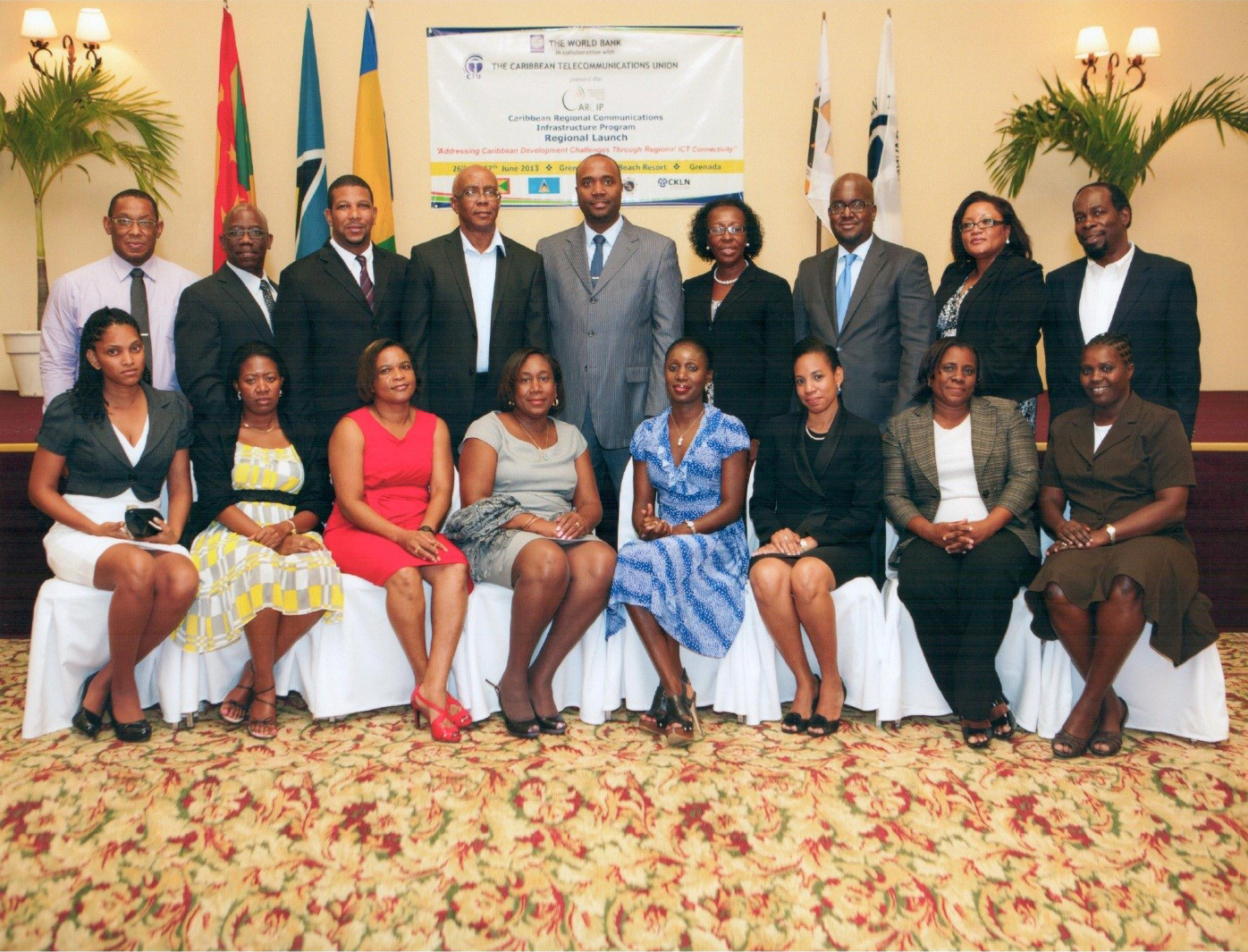
In July 2019, Grenada, Saint Lucia and St. Vincent and the Grenadines signed the first joint three-country tender of its kind: a US$45 million public-private partnership with Digicel, coordinated by the Caribbean Telecommunications Union (CTU) and the Eastern Caribbean Telecommunications Authority (ECTEL), under the Caribbean Regional Communications Infrastructure Program (CARCIP).
The programme connected more than 500 government buildings and roughly 300 schools with fibre, laid a new submarine cable link between St. Vincent and Grenada, and installed data centres in Grenada and Saint Lucia under a 15-year service agreement. A follow-on World Bank Caribbean Digital Transformation Project, running since 2020, equipped 20 smart classrooms across Saint Lucia's eight educational districts and trained 35 teachers to use them.
By 2020, high-quality, low-cost connectivity reached 53.3% of St. Lucia's population; the follow-on project pushed this past 78% and cut the price of a monthly pre-paid data package from US$3.50 to US$2.23. The smart-classrooms initiative reached over 4,500 primary school students, plus more than 700 additional young people through digital classes and camps. Across the four participating islands, World Bank results reporting documents 68,286 people gaining high-quality internet service, more than 11,000 people completing IT/ITES certifications (with an employment rate of up to 65% among certified graduates and average salary increases of around 19%), contributing to nearly 5,000 new ICT jobs.
Most of the quantified skills and jobs figures are reported at the OECS-regional level rather than broken out per island, and the World Bank's own implementation status reports flag periodic procurement and contracting delays; gains are also concentrated in and around capital regions, with outer and rural districts still catching up on connectivity and digital-skills training access.
Implementation detail (cost, timeline, staffing, conditions for success) is not yet available for this practice.
Where this practice's information was retrieved from, and when.
Mauritania
A US$30M IDA credit plus EIB co-financing built roughly 1,700km of national fiber backbone in Mauritania between 2013 and 2022, …
Kyrgyzstan
World Bank-financed Digital CASA laid 3,000+ km of fibre-optic cable, connecting nearly 4,000 schools, clinics and offices across Kyrgyzstan's seven …
Malawi
World Bank-funded ($72.4 M IDA, 2017–2024) programme that trained 19,000+ youth at 10 Tech Hubs, cut wholesale internet prices 98% …
Benin
Benin's government network of 43 subsidised community digital centres and free WiFi hotspots brings internet access, digital training and e-government …
Open full copilot Grounded in cited practices — always check the sources.