Belgium's Gender Pay Gap Law: Mandatory Biennial Reporting and Action Plans
Belgium
Since 2012, Belgian companies with 50+ staff must file a biennial gender pay-gap analysis and, if a gap is found, …
Chile · Santiago · See the Chile profile · See the Santiago profile
Evidence: Descriptive / self-reported Top 72% 48/100 · Ask Evidence Copilot about this practice
Chile's 2009 Ley 20.348 gave workers the right to equal pay for 'the same work' and required firms with 200+ staff to keep an internal job registry. 15 years on, experts call it ineffective: the gap remains near 21-27%, and a stronger transparency bill is now before Congress.
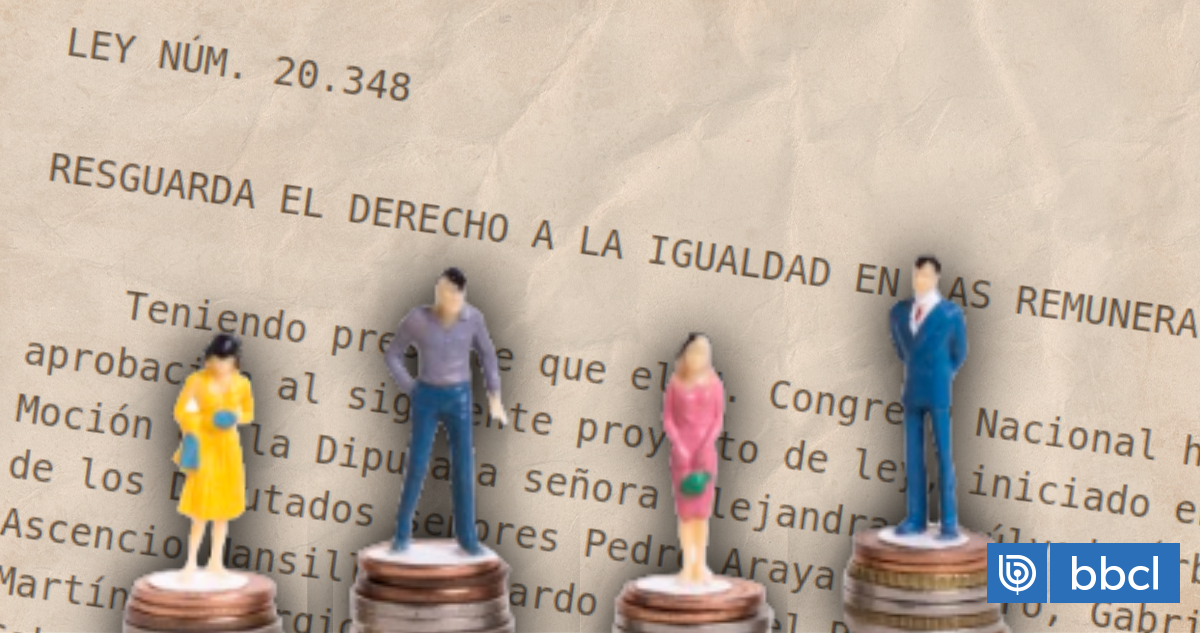
Enacted in June 2009, Chile's Ley 20.348 established a legal right to equal remuneration between men and women performing 'the same work' and required companies with 200 or more workers to maintain an internal registry of job positions and functions, effective from January 2010.
Firms with 10 or more workers must also run an internal grievance procedure -- capped at 30 days -- before any wage-discrimination claim can go to court.
A 2024 Buk study found men still earn 27% more than women for identical work, while a separate 2024 Laborum study put the overall gap at 21.7% (18.8% in formal employment, 30.1% in informal work), with the gap in leadership roles reported as widening in 2023.
Labour-law academic Sergio Gamonal has called the law 'terrible' for relying on outdated 'same work' language instead of the international 'equal value' standard. Because the registry is internal and confidential, Chile's Congress is now debating a new 'Equidad Salarial' bill to replace it with mandatory pay-equity protocols and broader disclosure.
National / regional programmes
Indicative funding routes for practices of this type — always check each programme's current calls and eligibility rules.
Do you run this practice? Claim it — verified implementers get a public contact pathway and can propose corrections.
Where this practice's information was retrieved from, and when.
Belgium
Since 2012, Belgian companies with 50+ staff must file a biennial gender pay-gap analysis and, if a gap is found, …
South Korea
South Korea's May 2020 Gender Equality Basic Act amendment made listed firms disclose gender-separated pay via DART. Large business-group affiliates' …
Israel
Israel's 2020 Equal Pay Law amendment requires employers with 518+ staff to publish annual gender pay-gap reports by role and …
Lithuania
Lithuania was one of only four EU states to meet the 7 June 2026 deadline for the EU Pay Transparency …
Open full copilot Grounded in cited practices — always check the sources.