WHO mRNA Technology Transfer Programme — Afrigen's Cape Town Hub-and-Spoke Vaccine Network
South Africa
Since 2021, WHO and the Medicines Patent Pool have backed Afrigen Biologics in Cape Town to reverse-engineer and transfer mRNA …
Cuba · Havana · See the Cuba profile · See the Havana profile
Evidence: Descriptive / self-reported Top 83% 52/100 · Ask Evidence Copilot about this practice
Cuba's CIGB, part of the BioCubaFarma group since 2012, holds 2,438 patents registered outside Cuba and sells in 50+ countries; during COVID-19 it transferred vaccine tech to Iran, Vietnam, Venezuela and Nicaragua, though figures are largely self-reported under a US embargo.
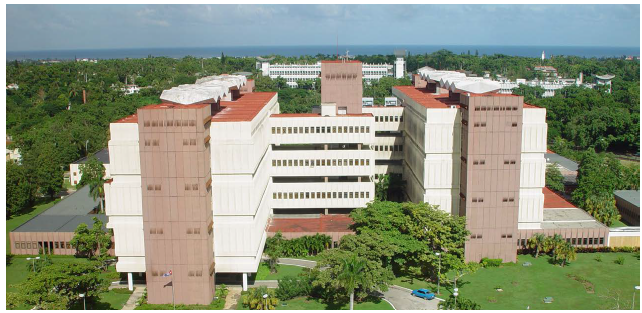
Cuba's Centro de Ingeniería Genética y Biotecnología (CIGB), founded in 1986, built a biotech R&D track record including a recombinant Hepatitis B vaccine, interferons and epidermal growth factor treatments, before being integrated in 2012 into BioCubaFarma, a state group of 40 biotech and pharmaceutical enterprises.
The institution's aim, as part of BioCubaFarma, is to develop and export biotechnology and pharmaceutical products and to transfer vaccine and biotech production technology to allied countries.
During the COVID-19 pandemic CIGB developed the CIGB-66 (Abdala) vaccine and Cuba signed technology-transfer agreements to produce or supply its vaccines in Iran, Vietnam, Venezuela and Nicaragua.
According to WIPO, BioCubaFarma holds 2,438 patents registered outside Cuba, with products registered and sold in more than 50 countries, and the Abdala vaccine was approved by Cuba's regulator and by regulators in five other countries.
CIGB/BioCubaFarma illustrates a sustained, state-led biotech technology-transfer model, though most reporting on its patent counts, export reach and transfer outcomes comes from Cuban state sources or international bodies relaying those figures rather than independently audited data.
National / regional programmes Own resources / municipal budget
Indicative funding routes for practices of this type — always check each programme's current calls and eligibility rules.
Do you run this practice? Claim it — verified implementers get a public contact pathway and can propose corrections.
Where this practice's information was retrieved from, and when.
South Africa
Since 2021, WHO and the Medicines Patent Pool have backed Afrigen Biologics in Cape Town to reverse-engineer and transfer mRNA …
Brazil
Brazil's federal EMBRAPII co-funds R&D between research institutes and firms, splitting risk three ways. A first evaluation of 179 funded …
Vietnam
Ho Chi Minh City's flagship tech park grew from 26 firms and $2bn invested (2011) to 160+ projects worth $13.7bn …
Taiwan
Taiwan's flagship semiconductor science park, home to TSMC and UMC — 584 companies employing 177,000+ workers generated NT$1.51 trillion (~US$46bn) …
Open full copilot Grounded in cited practices — always check the sources.