Digital CASA – Kyrgyz Republic Project
Kyrgyzstan
World Bank-financed Digital CASA laid 3,000+ km of fibre-optic cable, connecting nearly 4,000 schools, clinics and offices across Kyrgyzstan's seven …
Congo · Brazzaville · See the Congo profile · See the Brazzaville profile
Evidence: Descriptive / self-reported Top 82% 52/100 · Ask Evidence Copilot about this practice
A $100M World Bank credit plus a €15M EU grant fund broadband expansion into rural 'dead spots', e-government services and digital-skills training in the Republic of Congo, targeting at least 2 million citizens against 89% broadband coverage but only 62% internet use.
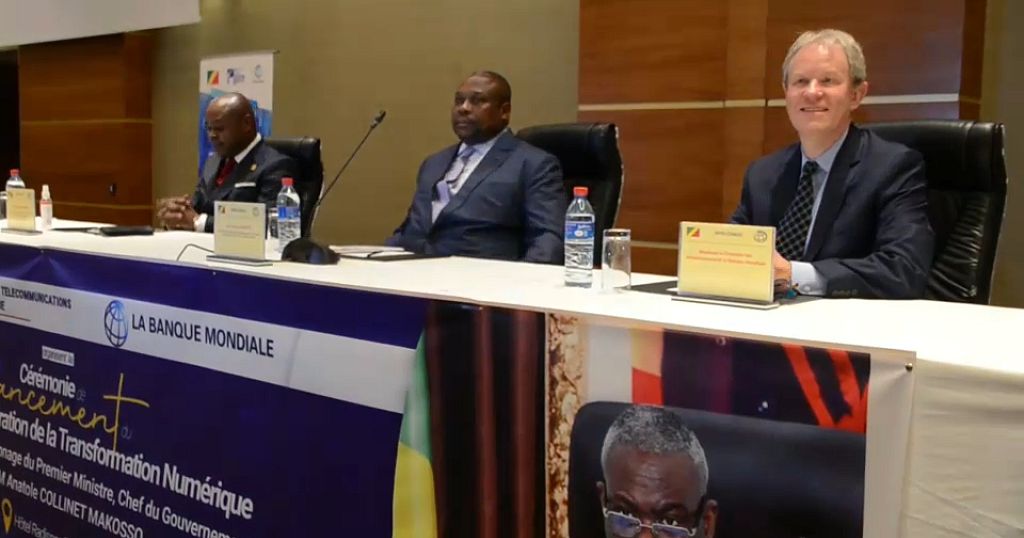
The Congo Digital Acceleration Project is a Republic of Congo government programme co-financed by a $100 million World Bank credit and a EUR15 million European Union grant, launched in January 2023 for a five-year implementation period running through 2028.
Raise inclusive access to broadband for underserved rural 'dead spots' where commercial operators cannot profitably build networks, strengthen the regulatory environment for a more competitive broadband market, fund national digital-literacy and skills programmes, and digitise government services covering civil registration, health, education and financial transactions.
At launch, the World Bank cited national broadband coverage of 89% against an internet-usage rate of only 62%, illustrating the gap between network availability and actual digital participation that the skills component is meant to close. Project documents set a target of reaching at least 2 million Congolese citizens.
As of the most recent public World Bank reporting reviewed for this entry, the project remained in its early implementation phase, with no independently published impact evaluation yet available; the figures cited here are baseline statistics and stated targets rather than measured outcomes, and future updates should be sought to confirm delivery against these targets.
National / regional programmes
Indicative funding routes for practices of this type — always check each programme's current calls and eligibility rules.
Do you run this practice? Claim it — verified implementers get a public contact pathway and can propose corrections.
Where this practice's information was retrieved from, and when.
Kyrgyzstan
World Bank-financed Digital CASA laid 3,000+ km of fibre-optic cable, connecting nearly 4,000 schools, clinics and offices across Kyrgyzstan's seven …
Kazakhstan
Kazakhstan's 2018–2022 Digital Kazakhstan programme paired national e-government (eGov.kz, Public Service Centres) with mass digital-literacy training, lifting its UN E-Government …
Zambia
Viamo's Ask Viamo Anything lets anyone with a basic phone call a free line and ask a question in a …
Rwanda
IremboGov pairs 7,000+ nationwide field agents with a feature-phone USSD interface so citizens without smartphones or digital skills can still …
Open full copilot Grounded in cited practices — always check the sources.