Bhutan for Life — Project Finance for Permanence (Bhutan)
Bhutan
Asia's first 'Project Finance for Permanence' secures 1.1 M ha of protected Himalayan forest in Bhutan via a USD 118 …
Brazil · Cuiabá · See the Brazil profile
Evidence: Quasi-experimental Top 7% 67/100 · Ask Evidence Copilot about this practice
Since 2020, Brazil's CONSERV programme has paid Amazon/Cerrado landowners ~$50-79/hectare twice yearly to conserve legally clearable forest, protecting over 30,000 hectares -- 14,843 verified storing 540,635 tonnes of carbon -- with measurably fewer fires on enrolled land.
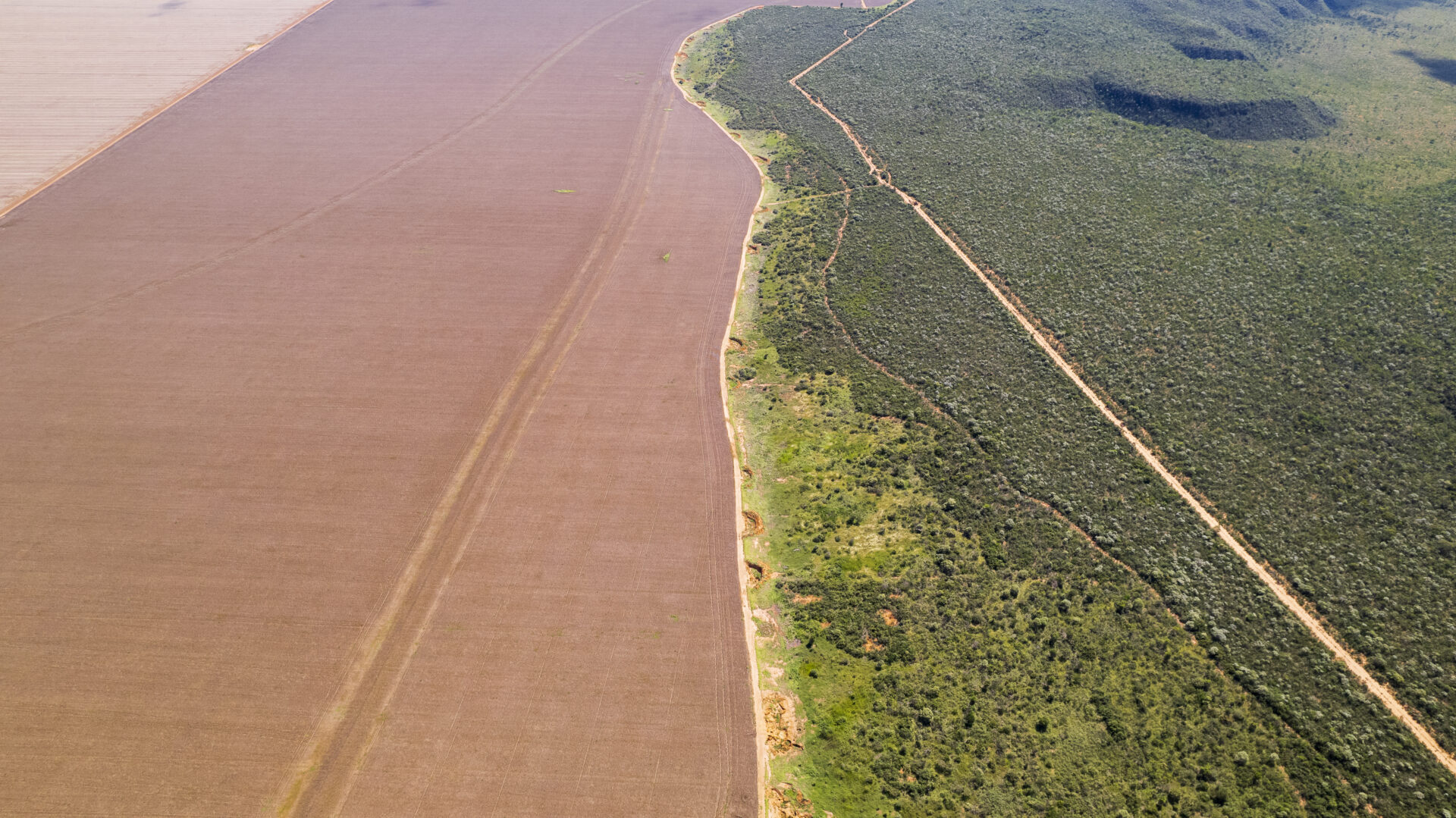
Brazil's Forest Code allows landowners in the Amazon and Cerrado to legally clear a substantial share of native vegetation on private land. CONSERV, led by IPAM with Woodwell Climate Research Center and the Environmental Defense Fund, instead pays landowners not to clear that legally clearable forest.
Test whether direct compensation, verified twice yearly by site visits and satellite monitoring, can outcompete the returns from converting forest to pasture or cropland.
The pilot ran 2020-2024 across 23 properties in Mato Grosso, Pará and Maranhão, protecting 20,707 hectares; ongoing contracts have since added roughly 7,000 more hectares. Payments (~US$50-79/ha, twice yearly) are set by estimated deforestation risk, ecosystem-service value and local land cost, and released only after IPAM verifies enrolled forest remains undisturbed.
Total avoided legal deforestation now exceeds 30,000 hectares. IPAM/Woodwell verified 14,843 hectares storing 540,635 tonnes of carbon. Fire incidents were measurably lower on CONSERV properties than on comparable nearby land. Enrolled landowners self-reported more wildlife sightings and rainfall, but IPAM itself flags these as anecdotal rather than independently measured.
IPAM is explicit that the pilot's donor-funded model (governments of Norway and the Netherlands, now Soft Commodities Forum members) 'is not built to scale,' that 'carbon credits alone would not cover opportunity costs' for landowners, and that Cerrado carbon accounting is methodologically more complex than in the Amazon, meaning wider rollout needs regulatory standardisation of payment calculations.
Indicative funding routes for practices of this type — always check each programme's current calls and eligibility rules.
Do you run this practice? Claim it — verified implementers get a public contact pathway and can propose corrections.
Where this practice's information was retrieved from, and when.
Bhutan
Asia's first 'Project Finance for Permanence' secures 1.1 M ha of protected Himalayan forest in Bhutan via a USD 118 …
Australia
Aboriginal-owned carbon project in western Arnhem Land: Traditional Owners apply strategic early dry-season burning over 28,000 km2 to reduce late-season …
Portugal
Portugal's national PES pilot (Resolução 121/2019): Fundo Ambiental pays 14 landowners €3.7M over 20 years to conserve 27,674 ha — …
China
World's largest PES programme: China's Grain for Green converted 34.3M ha of sloped farmland to forest and grassland since 1999, …
Open full copilot Grounded in cited practices — always check the sources.