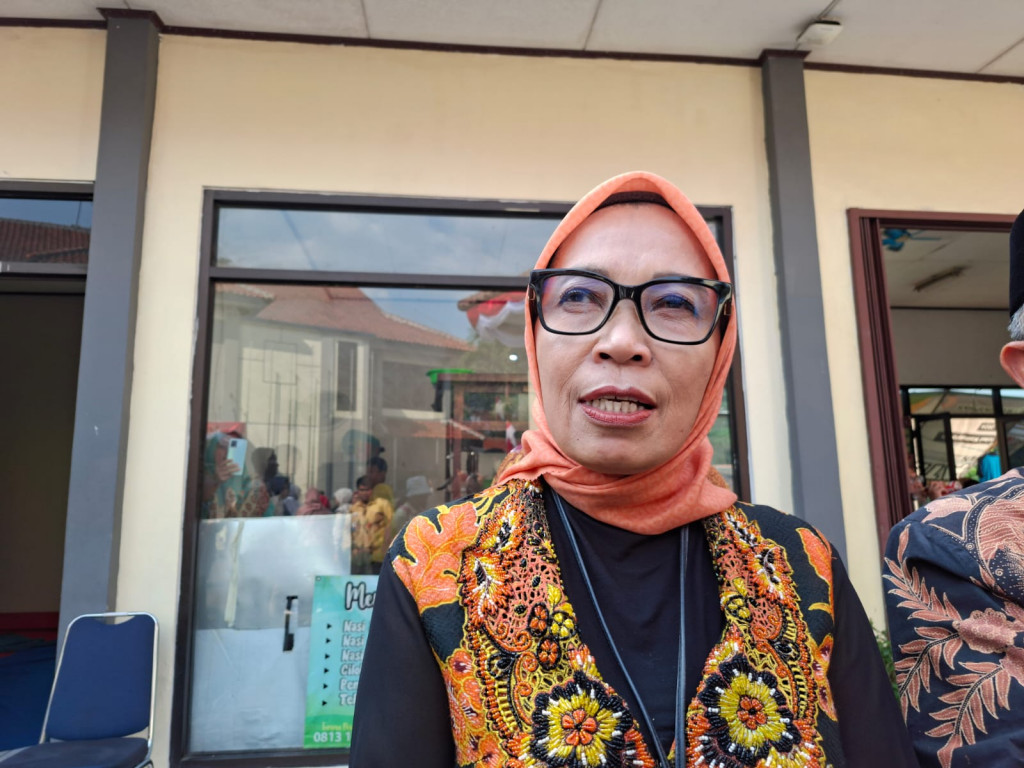
On 9 July 2026, Indonesia's Minister of Primary and Secondary Education, Abdul Mu'ti, launched a national training drive at the Jakarta Teachers and Educational Staff Center (BGTK) in South Jakarta. Director General of Teaching and Educational Staff Nunuk Suryani said more than 361,000 teachers and school staff would be able to join training in deep learning, coding and artificial intelligence during 2026, delivered from July to November through teacher working groups, the ministry's RGTK self-training platform, and other in-service formats.
The 2026 target builds on a 2025 rollout in which, according to the ministry, coding-and-AI training reached 53,000 schools (97% of a 55,000-school target) and deep-learning training reached 88% of its target; a parallel description put the 2026 expansion at more than 300,000 educators and staff across roughly 140,000 education units nationwide. The rollout explicitly includes Sekolah Rakyat, schools set up for children from low-income families, extending the training's reach into under-served communities. The ministry frames the drive as embedding "deep learning" as a teaching approach — not a new subject — meant to make lessons more meaningful and engaging, alongside coding and AI literacy.
The coverage figures (schools and staff reached against targets) are self-reported by the ministry and describe training reach, not independently verified changes in teaching practice or student learning outcomes; no public evaluation of classroom impact was found. No AI-ethics or data-governance component specific to this training program was described in available sources (a separate seven-minister decree on age-based AI use in schools exists as a distinct, unrelated policy).
Read the full analysis: https://www.medcom.id/pendidikan/news-pendidikan/Gbm006eN-biar-jago-361-ribu-guru-bakal-dilatih-deep-learning-coding-dan-ai-pada-2026
Where this practice's information was retrieved from, and when.