M-Pesa – Mobile Money as Financial and Digital Inclusion Infrastructure
Kenya
Safaricom's M-Pesa turned basic phones into bank accounts across Kenya. A landmark Science study found it lifted 194,000 households out …
Pakistan · Islamabad · See the Pakistan profile · See the Islamabad profile
Top 30% 88/100 · Ask Evidence Copilot about this practice
Easypaisa, Pakistan's branchless-banking pioneer launched in 2009, serves roughly 33 million accounts, but independent research shows the mobile-money gender gap remains stark: men are three times likelier than women to actually use the service.
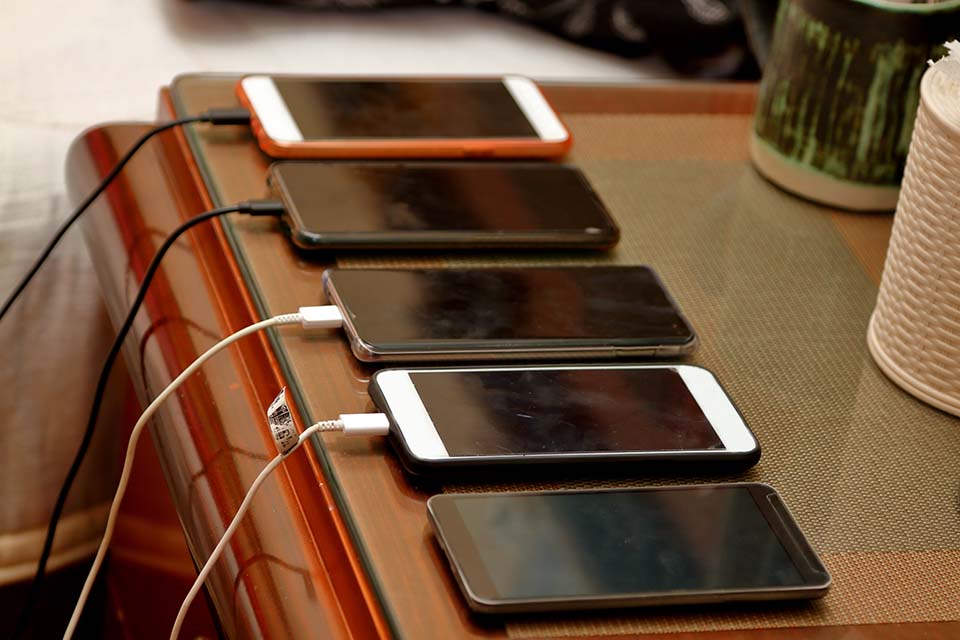
Telenor Pakistan and Tameer Microfinance Bank launched Easypaisa in 2009 as one of the first branchless-banking services in South Asia, letting customers send money, pay bills and store value through a national agent network without needing a traditional bank account; competitor JazzCash later became Pakistan's second major mobile-money brand.
By 2024, branchless-banking accounts across all providers in Pakistan had grown to 117 million, up from 85 million in 2022, and Easypaisa alone reports roughly 33 million registered accounts, of which about 11 million transact monthly, according to Euromoney reporting.
A peer-reviewed 2018 study (ACM SIGCAS COMPASS), based on 51 interviews and Financial Inclusion Insights survey data covering 6,000 respondents, found that while most Pakistani women recognised the Easypaisa and JazzCash brands, only 4.5% of women used mobile money compared with 14% of men; women's mobile-phone ownership (36.7%) trailed men's (79.4%), and most women who knew of the services had learned about them from male relatives rather than direct experience.
World Bank Findex data cited by Euromoney shows the account-ownership gap has persisted: in 2021, 28.2% of men held a formal bank or financial-institution account against 13.5% of women, and a national ID card (CNIC) requirement — harder for many women to obtain — remains a documented barrier to opening a mobile wallet.
Easypaisa illustrates that scale is not the same as inclusion: reach in the tens of millions of accounts coexists with a wide, well-documented usage gap by gender, making it a useful, honestly cautionary case of what mobile money achieves and where it still falls short.
Read the full analysis: https://www.euromoney.com/article/2bglzsmnywgbgeh58wlc0/sustainability/pakistan-tackles-financial-inclusion-through-digital-banking/
Implementation detail (cost, timeline, staffing, conditions for success) is not yet available for this practice.
Do you run this practice? Claim it — verified implementers get a public contact pathway and can propose corrections.
Where this practice's information was retrieved from, and when.
Kenya
Safaricom's M-Pesa turned basic phones into bank accounts across Kenya. A landmark Science study found it lifted 194,000 households out …
Congo (the Democratic Republic of the)
Flowminder and GiveDirectly built a live pipeline that flags displacement from anonymised phone records and pays mobile-money cash within days: …
Bangladesh
bKash, Bangladesh's mobile financial service launched in 2011, has grown to nearly 84 million verified accounts and moved over a …
Central African Republic
Since 2020, Central African Republic's government has paid civil servants' salaries via mobile wallets instead of requiring travel to Bangui …
Open full copilot Grounded in cited practices — always check the sources.