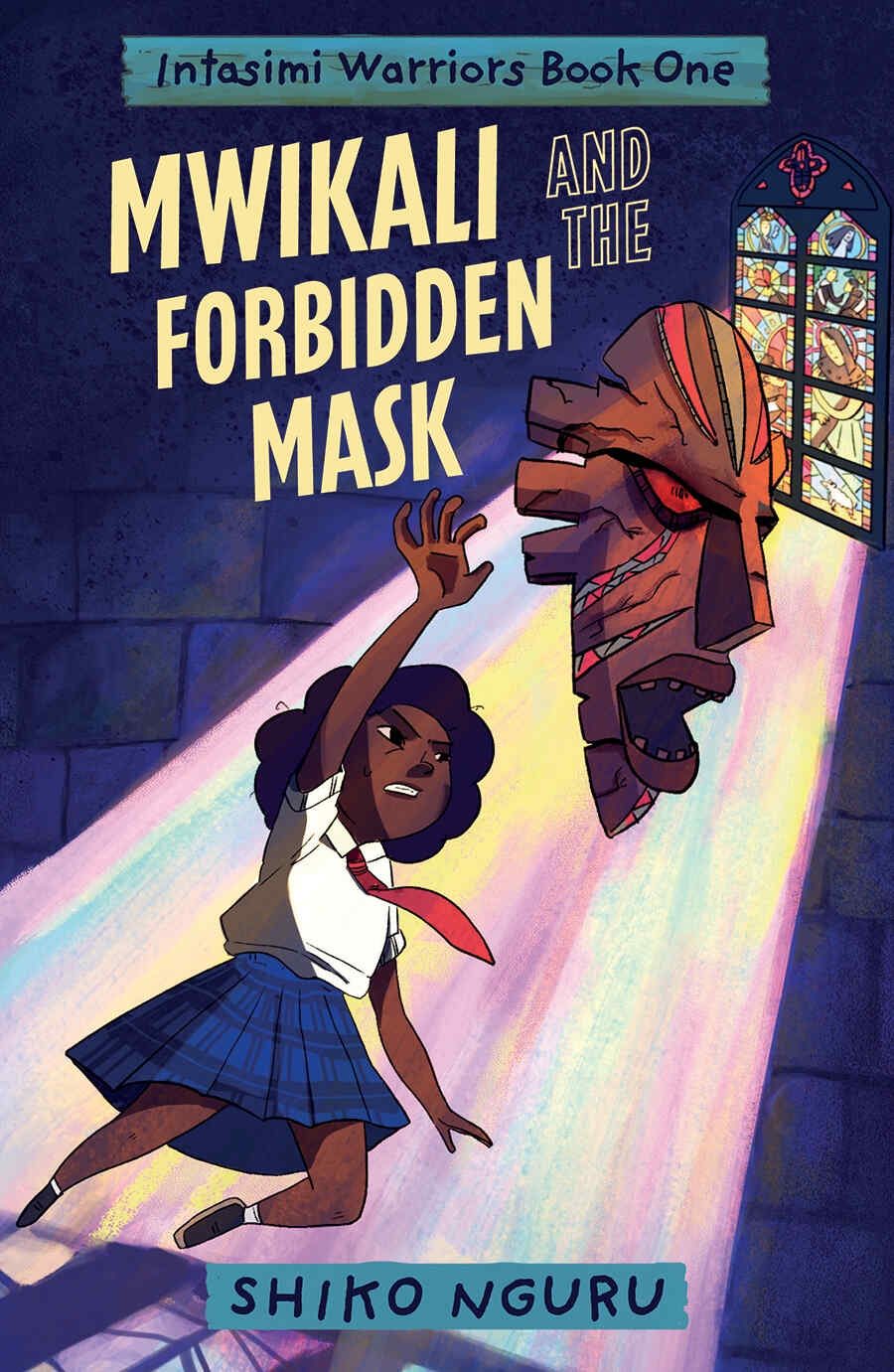
eKitabu, a Nairobi edtech nonprofit, builds born-accessible e-books for blind/low-vision learners and Kenyan Sign Language video storybooks for deaf learners with Kenya's Ministry of Education. 160+ titles are in the Global Digital Library; a small 2022 pilot showed gains.
160+
Accessible titles in Global Digital Library
13
Publishing houses trained on EPUB toolkit
Details
Maturity
Established
Promoter
eKitabu
Period
2012–present (accessible EPUB toolkit from ~2016; Digital Story Time from 2020)
eKitabu, a Nairobi edtech nonprofit founded in 2012, produces accessible digital reading content for blind, low-vision and deaf learners in Kenya: an open-source Accessible EPUB Toolkit for publishers, and Studio KSL, which produces Kenyan Sign Language video storybooks with closed captions, launched after Kenya's Ministry of Education asked eKitabu to support deaf children when COVID-19 closed schools in 2020.
Results
13 Kenyan publishing houses were trained on the EPUB toolkit, and a Content Development Challenge saw six publishers submit 70 titles in accessible format. More than 160 accessible titles have been uploaded to the Global Digital Library. A small 2022 pilot across two schools with deaf units reported improvements in sign-language skills, attendance and learning gains, though the sample was small.
Conclusions
Reach figures such as '4 million households' and '1,500 schools' describe potential broadcast/curriculum distribution rather than confirmed individual users, and the programme depends heavily on donor and grant funding rather than a durable government budget line.
Implementation
Implementation detail (cost, timeline, staffing, conditions for success) is not yet available for this practice.
Commonly funded by
Philanthropic / foundation funding
Indicative funding routes for practices of this type — always check each programme's current calls and eligibility rules.
Do you run this practice?
Claim it —
verified implementers get a public contact pathway and can propose corrections.
Data sources
Where this practice's information was retrieved from, and when.
Brazil's federal government embeds a free, open-source 3D avatar that machine-translates Portuguese text into Libras (Brazilian Sign Language) across public …