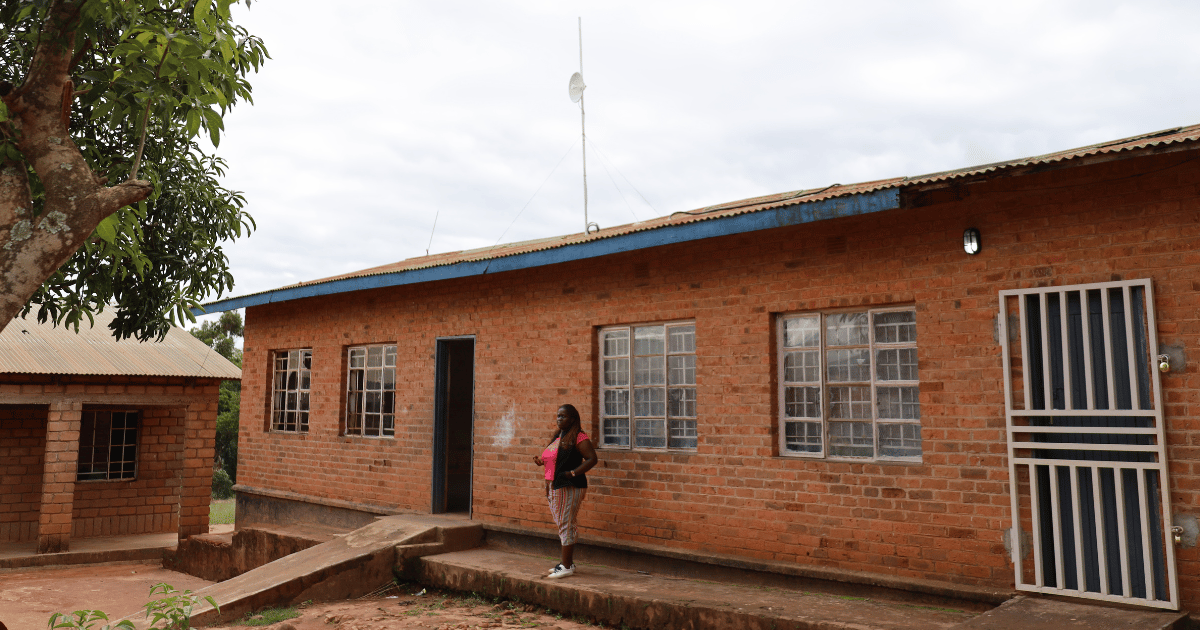
A Karonga-based ISP paired Starlink satellite backhaul with a local mesh network and $0.20 prepaid vouchers to connect over 60 rural schools and dozens of communities in northern Malawi, though several schools later lost service once initial subsidies ran out.
67–70+
Connected schools (2024–2025)
68,000+
Students reached (2025)
~600,000
People within reach of the network (2025)
<1 Mbps to 50 Mbps
Measured internet speed
~90%
Access cost reduction
$0.20 per 6 hours
Community Wi-Fi voucher price
Details
Maturity
Pilot
Promoter
Fast Networks Malawi
Period
2024–ongoing
Keywords
satellite internet, rural broadband, school connectivity, community WiFi, digital literacy, affordability
Context
Fast Networks Malawi, a small ISP based in Karonga, paired Starlink satellite backhaul with a terrestrial fixed-wireless mesh and prepaid community Wi-Fi vouchers priced at roughly $0.20 for six hours to bring internet access to rural schools and communities in northern Malawi.
Results
Independent reporting documented 67–70+ connected schools, dozens of communities, over 68,000 students reached directly and roughly 600,000 people within reach of the network; measured speeds rose from under 1 Mbps to 50 Mbps and access costs fell by around 90%, though a February 2026 partner retrospective reported some schools losing service once initial subsidies ran out.
Implementation
Indicative cost
Medium (€50k–€500k)
Time to results
Short (< 1 year)
Staffing & skills
Fast Networks Malawi technical/ISP team, Internet Society Foundation BOLT Grant partners
Conditions for success
combining Starlink backhaul with a prepaid voucher model so revenue subsidises each school's subscription rather than relying on permanent donor funding
shifting to requiring upfront co-funding from schools after early deployments lost service
Common failure modes
falling school budgets after Malawi introduced tuition-free public schooling left some schools unable to sustain Starlink subscriptions once the free-access period ended
smartphone penetration below 20% in many served communities limits how much connectivity translates into actual use
Commonly funded by
Philanthropic / foundation fundingOwn resources / municipal budget
Indicative funding routes for practices of this type — always check each programme's current calls and eligibility rules.
Do you run this practice?
Claim it —
verified implementers get a public contact pathway and can propose corrections.
Data sources
Where this practice's information was retrieved from, and when.
Benin's government network of 43 subsidised community digital centres and free WiFi hotspots brings internet access, digital training and e-government …