Italy's National AI-in-Schools Guidelines — From a 15-School Pilot to Ministerial Decree No. 166
Italy
Italy's education ministry piloted AI assistants in 15 schools across four regions from Sept 2024, tracked via INVALSI tests, trained …
United States of America · Tallahassee · See the United States of America profile
Top 70% 40/100 · Ask Evidence Copilot about this practice
Florida's State Board of Education unanimously approved rules on 16 September 2026 requiring parental opt-in before students use AI tools, a non-AI alternative, supervised use and a ban on companion-style AI. Districts must comply by 1 July 2027; no outcome evidence yet.
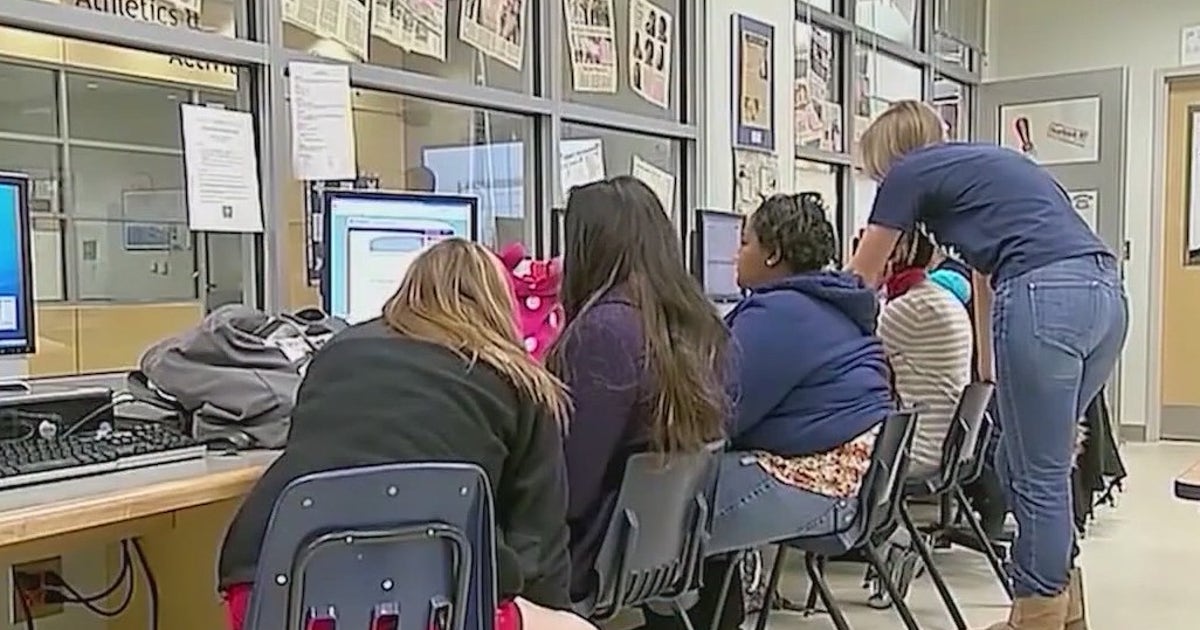
On 16 September 2026 the Florida State Board of Education unanimously approved amendments that fold AI into the K-12 internet-safety policy rule. Districts must notify parents before students use AI tools, obtain parental consent after disclosing each tool's name and purpose, and offer a comparable non-AI instructional alternative if parents decline. Districts have until 1 July 2027 to implement policies for the 2027-28 school year.
Other requirements reported: students may not use AI without supervision; teachers and administrators must complete training on AI safety, risks and limitations; school staff must be able to disable AI systems immediately without vendor help; additional review is required before approving AI instructional tools for PreK-5; and AI may not be used to meet students' social or emotional needs, simulate emotional relationships, or encourage ongoing interaction. Vendors are barred from selling student data or using it to train commercial AI models. A separate rule requires Florida's 28 state colleges to adopt AI policies prohibiting AI use on graded work unless an instructor authorises it.
Evidence status: this is a regulatory design, not an evaluated programme. No learning, equity or compliance outcomes exist yet. A University of Florida task-force member told WFTV that implementation will be 'tricky' because AI tools keep evolving and AI offers personalisation with no paper-and-pencil equivalent; the opt-in versus opt-out choice was debated. A Bellwether study cited by WFTV found AI policies in schools and districts doubled from 20% to 40% by 2024, with Title I and rural districts less likely to have guidance. The rule text and costs were not available in the sources reviewed.
Read the full analysis: https://www.fox35orlando.com/news/florida-approves-ai-classroom-rules-requiring-parental-consent-new-student-safeguards
Implementation detail (cost, timeline, staffing, conditions for success) is not yet available for this practice.
Do you run this practice? Claim it — verified implementers get a public contact pathway and can propose corrections.
Where this practice's information was retrieved from, and when.
Italy
Italy's education ministry piloted AI assistants in 15 schools across four regions from Sept 2024, tracked via INVALSI tests, trained …
United Arab Emirates
The UAE's February 2026 classroom-AI guide bars generative AI for under-13s, forbids its use in formal exams, and bans uploading …
Singapore
Singapore's Ministry of Education paired a national AI-in-Education Ethics Framework — Agency, Inclusivity, Fairness, Safety — with AI tools built …
Finland
Finland's education ministry and Opetushallitus published national AI recommendations (31 March 2025) after consulting 172 organisations and youth 'Digiraati' councils, …
Open full copilot Grounded in cited practices — always check the sources.