Digital Literacy Course for Older Persons – PRO Programme (Serbia)
Serbia
Since 2023, UNFPA and the Red Cross of Serbia have trained over 600 older adults in six municipalities in email, …
United States of America · New York City · See the United States of America profile · See the New York City profile
Evidence: Quasi-experimental Top 30% 88/100 · Ask Evidence Copilot about this practice
OATS from AARP's Senior Planet ran twice-weekly Zoom digital-skills classes for low-income NYC public-housing seniors. An evaluation with a comparison group found trained seniors were about half as likely to develop worsening depressive symptoms.
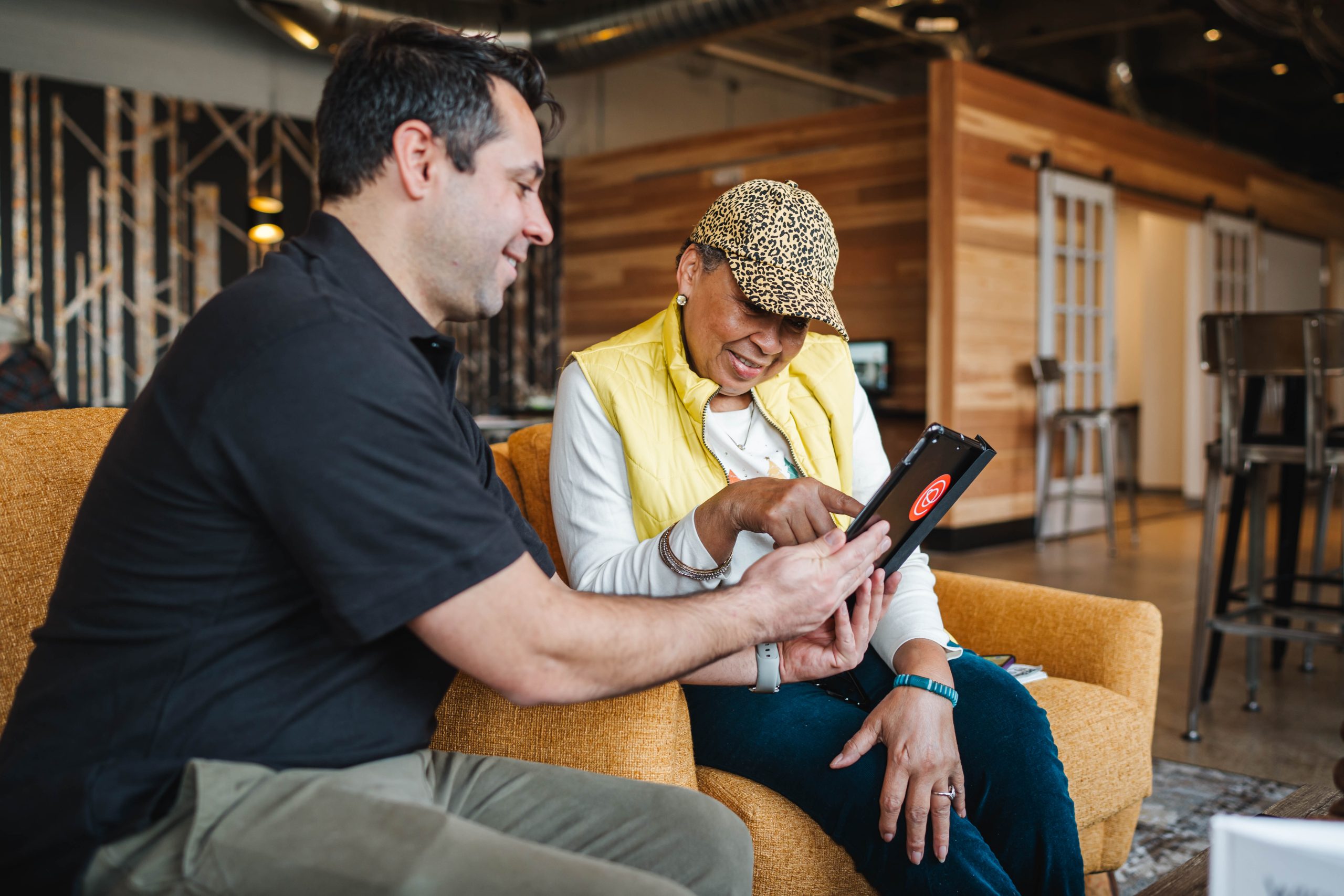
Senior Planet, the flagship programme of Older Adults Technology Services (OATS) from AARP, delivered structured digital-literacy classes to residents of New York City Housing Authority (NYCHA) buildings.
The programme aimed to build digital skills (online navigation, email basics, internet safety) among low-income older adults and to test effects on social connection and mental health.
Classes ran twice a week over Zoom for five weeks as part of a public-private partnership that reached roughly 10,000 low-income older adults; OATS's 'Fly Like an Eagle' evaluation compared trained participants against a nontrained comparison group.
Participants made new social contacts online at twice the rate of the comparison group; 60% joined a new social event or group (more than double the comparison rate); trained seniors were about half as likely to report worsening depressive symptoms; and over half reported feeling less lonely, 20 percentage points higher than the comparison group.
The evaluation relies on self-reported outcomes and a nonrandomized comparison group rather than a randomized design, so causal claims should be read with caution; OATS has used the findings to expand corporate partnerships (including AT&T, 2025) beyond NYCHA.
Philanthropic / foundation funding National / regional programmes
Indicative funding routes for practices of this type — always check each programme's current calls and eligibility rules.
Do you run this practice? Claim it — verified implementers get a public contact pathway and can propose corrections.
Where this practice's information was retrieved from, and when.
Serbia
Since 2023, UNFPA and the Red Cross of Serbia have trained over 600 older adults in six municipalities in email, …
Zambia
Viamo's Ask Viamo Anything lets anyone with a basic phone call a free line and ask a question in a …
Kenya
TunapandaNET is a locally hosted wireless intranet built by Nairobi's Tunapanda Institute since 2015 to bring low-cost digital learning and …
India
Karya channels AI firms' data-annotation demand to rural Indian workers via a smartphone app, paying well above minimum wage. A …
Open full copilot Grounded in cited practices — always check the sources.