Dina — Nepal's First Text-to-Speech Voice Co-Designed With Blind and Low-Vision Youth
Nepal
In December 2024 UNICEF and ATscale launched 'Dina,' Nepal's first Nepali-language text-to-speech voice, pretested with about 15 young volunteers with …
Uganda · Kampala · See the Uganda profile · See the Kampala profile
Evidence: Descriptive / self-reported Top 82% 52/100 · Ask Evidence Copilot about this practice
Sense International Uganda rolled out the Global Deafblindness Resource Hub on 30 June 2025 with two ministries: an online/offline platform, live in 7 languages across 8 countries, built with Google's accessibility team for deafblind people, caregivers and educators.
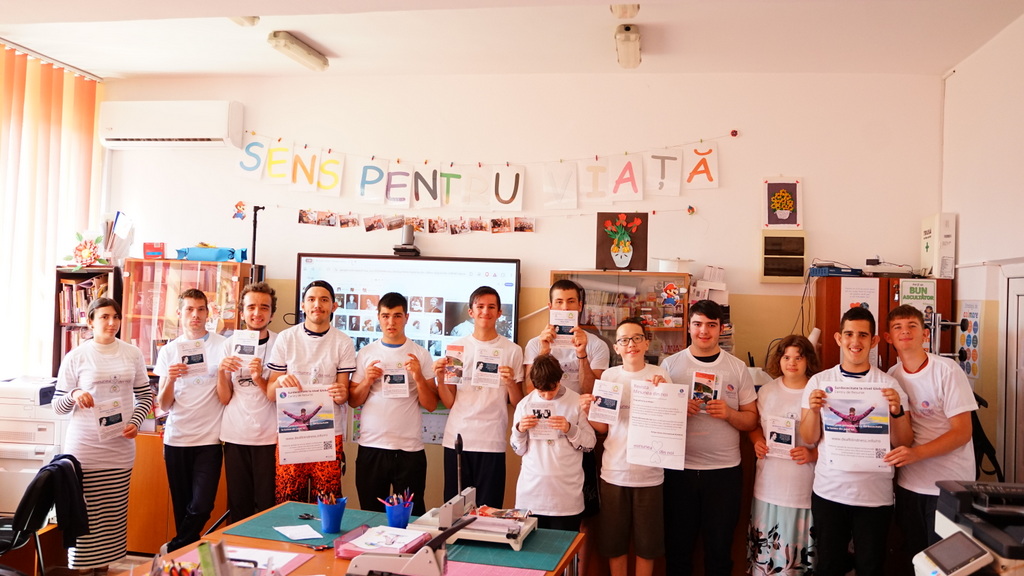
Sense International developed the Global Deafblindness Resource Hub with input from Organisations of Persons with Disabilities across the 8 countries where it works, launching internationally on 25 February 2025 at Google's Accessibility Discovery Centre with support from Google's EMEA accessibility team; Uganda's national rollout followed on 30 June 2025 with two government ministries.
Give deafblind people, caregivers and educators consolidated access to practical tools, educational and healthcare resources and peer-documented lived experience, in a format usable both online and where connectivity is unreliable, free of charge.
Uganda's launch, aligned with the Persons with Disabilities Act (2020), National Development Plan III and the UN CRPD, included radio and TV appearances on digital inclusion, an official launch event, and free health screenings, therapy services and community sensitisation in Kalaki District.
The Hub aggregates resources from all 8 Sense International countries and is available in 7 languages, designed to work online and offline; roughly 100 people attended the London international launch, while other national launches (e.g. Romania, India) drew over 1,000 participants each.
As the platform launched only in mid-2025, no independent evaluation of usage or outcomes in Uganda has yet been published, and a local disability advocate publicly flagged that people who cannot afford a smartphone still face a barrier even with offline functionality built in.
Philanthropic / foundation funding National / regional programmes
Indicative funding routes for practices of this type — always check each programme's current calls and eligibility rules.
Do you run this practice? Claim it — verified implementers get a public contact pathway and can propose corrections.
Where this practice's information was retrieved from, and when.
Nepal
In December 2024 UNICEF and ATscale launched 'Dina,' Nepal's first Nepali-language text-to-speech voice, pretested with about 15 young volunteers with …
Colombia
Since 2013, Colombia's ICT Ministry has given over a million blind and low-vision citizens free, unlimited licences to the JAWS …
Turkmenistan
On World Children's Day 2023, Turkmenistan launched 'Dunya,' its first Turkmen-language text-to-speech voice, developed with the Blind and Deaf Society …
Egypt
An AI chatbot converting spoken/written Arabic into Arabic Sign Language video, letting deaf and hard-of-hearing Egyptians access health and government …
Open full copilot Grounded in cited practices — always check the sources.