Costa Rica Payments for Environmental Services (PSA / FONAFIFO)
Costa Rica
Costa Rica's national PES, created by the 1996 Forest Law, has paid landowners US$565M to conserve 1.15M+ hectares for carbon, …
Chad · Zakouma · See the Chad profile
Evidence: Descriptive / self-reported Top 58% 40/100 · Ask Evidence Copilot about this practice
Since 2010 Chad's government and African Parks have co-managed the 28,162 km² Greater Zakouma Ecosystem; poaching fell from ~500 elephants a year to about two, and the area now holds an estimated 1,200 Kordofan giraffe, roughly half the world's population.
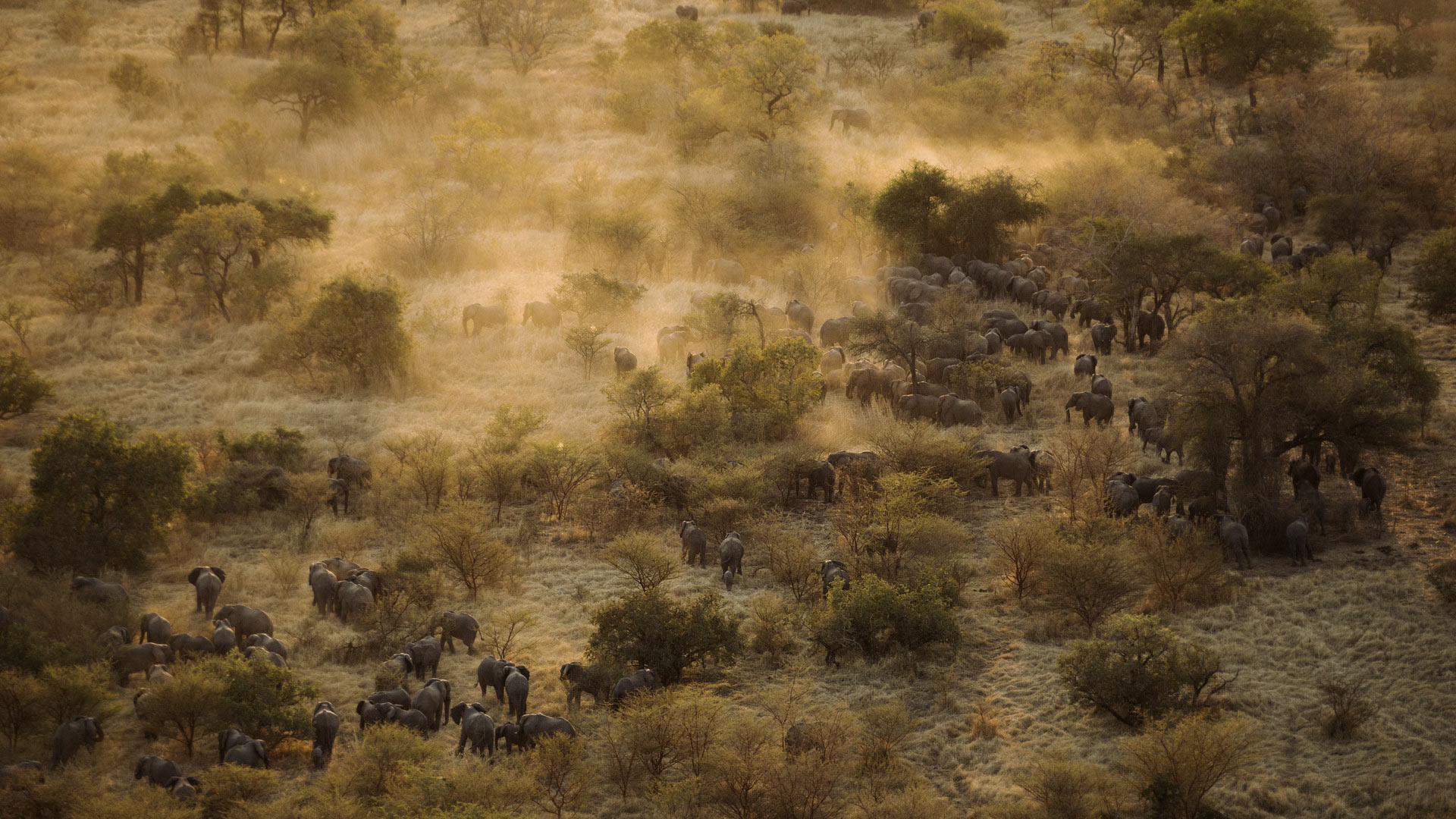
In 2010 the Government of Chad entered a long-term co-management partnership with the NGO African Parks to reverse a collapse in Zakouma National Park's wildlife: industrial-scale ivory poaching had reduced the park's elephant population from an estimated 22,000 in the 1970s to just 454 by 2010, with poachers killing an average of 500 elephants a year between 2002 and 2010. In 2017 the government extended the arrangement to the neighbouring Siniaka-Minia National Park and Bahr Salamat Faunal Reserve, creating the Greater Zakouma Ecosystem, a contiguous complex of roughly 28,162 km².
The partnership aims to reverse poaching and restore wildlife populations — notably elephants, Kordofan giraffe and lions — through co-management of the park complex.
African Parks manages anti-poaching and park operations under the co-management agreement, funded through a mix of philanthropic and bilateral sources — including the Annenberg Foundation, the European Union, Fondation Segré, the Silent Foundation, the Wildlife Conservation Network's Elephant Crisis Fund and Lion Recovery Fund, and the US State Department's Bureau of International Narcotics and Law Enforcement Affairs — alongside tourism revenue reinvested in park operations and community programmes such as teacher training.
Poaching in Zakouma fell to an average of about two elephants killed per year after 2010, and the elephant population had recovered to around 600 individuals by 2020, with African Parks reporting a further increase since. The ecosystem is also a stronghold for the Kordofan giraffe, with an estimated local population of around 1,200 — roughly half the world's remaining Kordofan giraffe according to African Parks — alongside a recovering, if still small, lion population estimated at approximately 130 animals.
The arrangement is a government-ceded co-management and donor-funding model rather than a codified per-hectare payment scheme, and it is not fully insulated from political risk: on 6 October 2025 the Government of Chad unilaterally terminated its management mandates with African Parks over concerns about anti-poaching efficacy and cooperation, before reversing the decision and reinstating the partnership 11 days later, on 17 October 2025. The lion population has also not shown the same recovery as elephants and giraffe despite prey-base recovery, showing that even well-resourced partnerships do not lift every species uniformly.
National / regional programmes Philanthropic / foundation funding
Indicative funding routes for practices of this type — always check each programme's current calls and eligibility rules.
Do you run this practice? Claim it — verified implementers get a public contact pathway and can propose corrections.
Where this practice's information was retrieved from, and when.
Costa Rica
Costa Rica's national PES, created by the 1996 Forest Law, has paid landowners US$565M to conserve 1.15M+ hectares for carbon, …
Japan
Since 2019, Japan distributes ¥40–62 billion/year to municipalities and prefectures for managing private plantation forests; from April 2024 funded by …
Argentina
Argentina's 2007 Native Forest Law mandates 0.3% of the federal budget as direct payments to landowners and communities conserving Category …
Australia
Since 2012, Traditional Owners and rangers at Fish River Station, NT, have used early dry-season burning across 178,000 ha to …
Open full copilot Grounded in cited practices — always check the sources.