Moscow Region Peatland Rewetting Programme (Russia)
Russia
After catastrophic 2010 peat fires blanketed Moscow in smog, the Moscow Province Administration rewetted 73,000 ha of fire-prone peatlands (2010-2013) …
Denmark · Copenhagen · See the Denmark profile · See the Copenhagen profile
Evidence: Descriptive / self-reported Top 40% 47/100 · Ask Evidence Copilot about this practice
Denmark's June 2024 Green Tripartite Agreement commits a ~DKK 40bn (EUR 5.4bn) Green Land Fund to voluntarily rewet 140,000 ha of drained agricultural peatland by 2030, backed by a 2027 nitrogen-regulation backstop if uptake falls short.
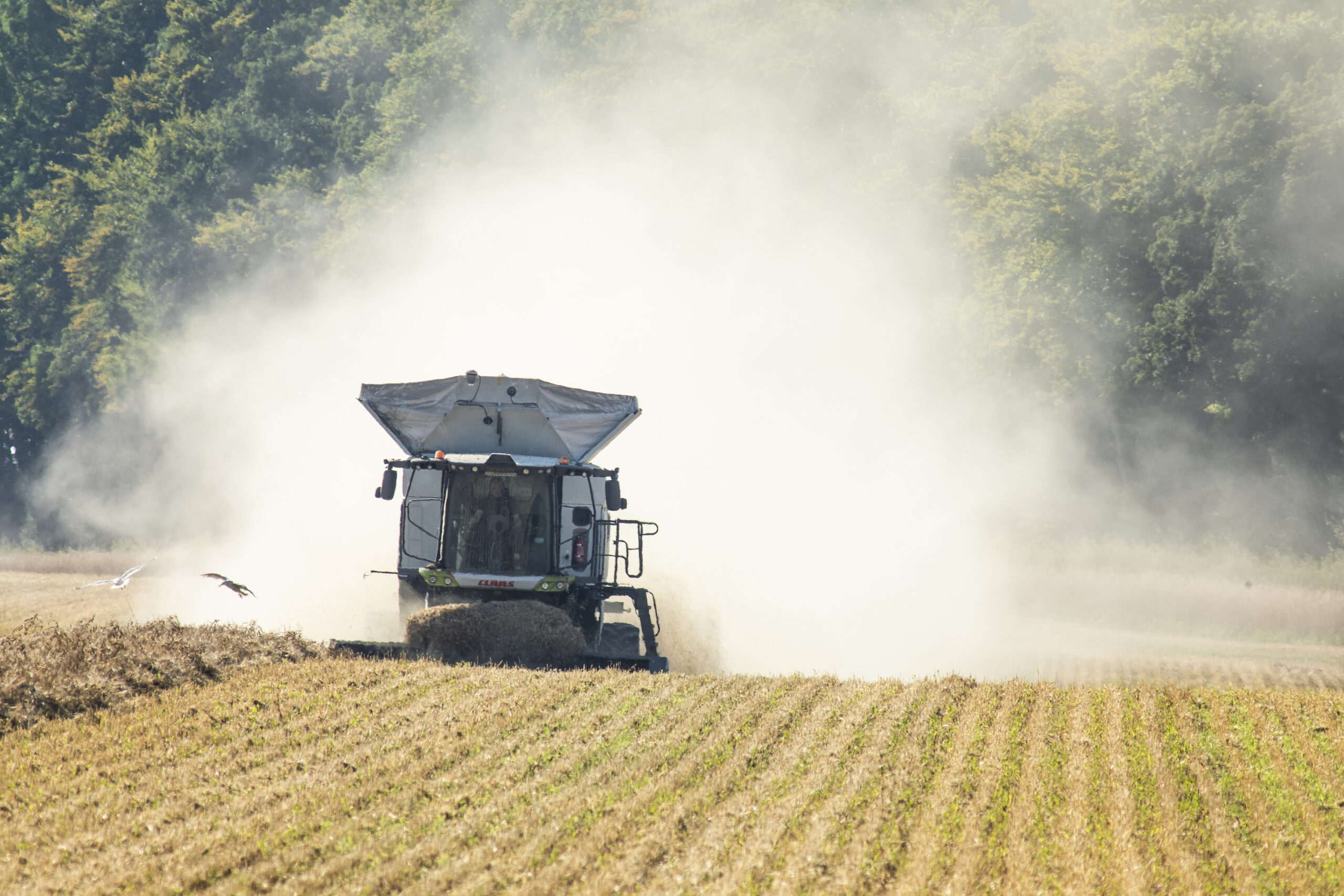
DK01In June 2024, Denmark's government and a coalition of agricultural, industry and environmental organisations — the "Green Tripartite" (Landbrug & Fodevarer, the Danish Society for Nature Conservation, Local Government Denmark and others) — signed the Agreement for a Greener Denmark, the country's first economy-wide deal to restructure agricultural land use for climate goals.
End farming on 140,000 hectares of drained, carbon-rich lowland soils and their buffer zones by 2030, alongside a parallel 250,000-hectare afforestation target, to help close the gap to Denmark's 70%-reduction climate target.
The agreement is financed through a Green Land Fund (Gron Fond) of roughly DKK40 billion (EUR5.4 billion) that pays landowners to voluntarily rewet or afforest their land. Implementation began in November 2024. A backstop of stricter nitrogen regulation from 2027 applies if voluntary uptake falls short.
Analysts estimate the combined rewetting, afforestation and rewilding measures could cut Danish emissions by about 1.8 million tonnes of CO2e a year by 2030 (an estimate, not yet a measured outcome).
Independent reviewers such as Green Transition Denmark have questioned whether the financial incentives are strong enough to attract sufficient voluntary participation, noting that the promised 2027 nitrogen-regulation backstop has itself not yet been designed, leaving the scheme's ultimate effectiveness unproven.
National / regional programmes LIFE Programme
Indicative funding routes for practices of this type — always check each programme's current calls and eligibility rules.
Do you run this practice? Claim it — verified implementers get a public contact pathway and can propose corrections.
Where this practice's information was retrieved from, and when.
Russia
After catastrophic 2010 peat fires blanketed Moscow in smog, the Moscow Province Administration rewetted 73,000 ha of fire-prone peatlands (2010-2013) …
Poland
The EU-funded LIFE Peat Restore project rewetted about 1,350 ha of degraded fen in Poland (part of 5,300 ha across …
Iceland
Since 2018, Iceland's Wetland Fund has rewetted ~300 ha of drained peatland and is piloting an IPCC-aligned carbon-credit methodology with …
Finland
Snowchange Cooperative, an Indigenous- and community-led NGO, has rewetted boreal peatlands across Finland — the 110-ha Linnunsuo mire and 874 …
Open full copilot Grounded in cited practices — always check the sources.