ideiaLab — Maputo's Youth Entrepreneurship Incubator and Business-Support Network
Mozambique
Since 2010, Maputo's ideiaLab has trained 1,000+ entrepreneurs a year and built a 25,700-member community. Its 2019 impact report found …
South Sudan · Juba · See the South Sudan profile · See the Juba profile
Evidence: Descriptive / self-reported Top 89% 48/100 · Ask Evidence Copilot about this practice
A $5.28M AfDB grant, implemented by UNDP with South Sudan's Ministry of Trade, targets 1,060 young people and 830 women entrepreneurs in Northern and Western Bahr el Ghazal for business skills, capital access, and support to 100 micro and small enterprises through 2028.
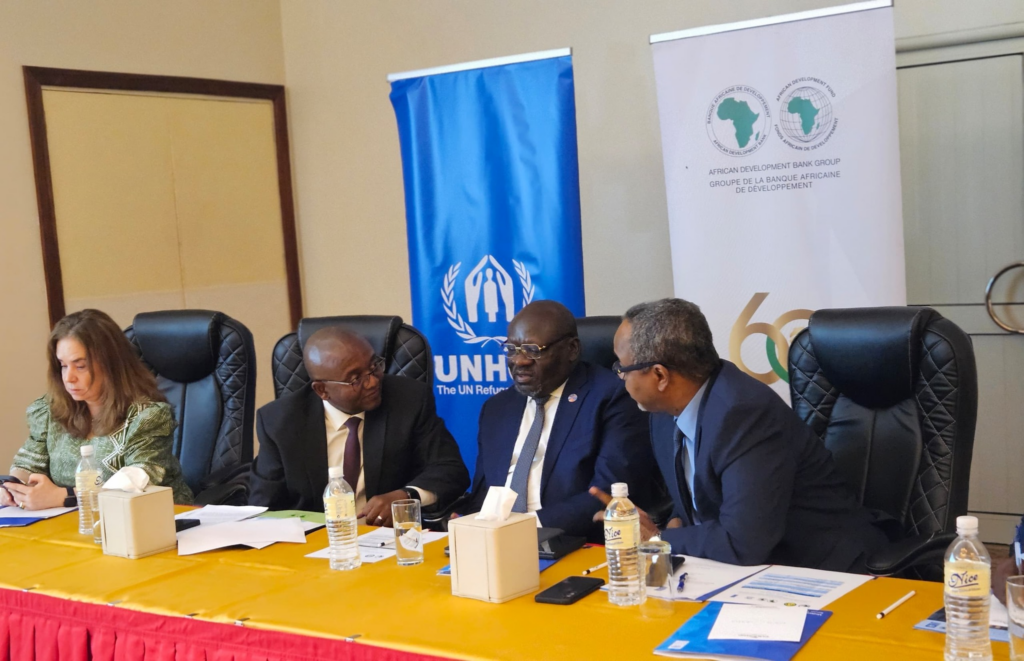
JMSE is a $5.28 million African Development Fund grant (African Development Bank, Transition Support Facility), topped up with $1.2 million from UNDP, running January 2025 to December 2028, executed by South Sudan's Ministry of Trade, Industry and East African Community Affairs and implemented by UNDP.
Support the creation and growth of 100 youth- and women-led micro and small enterprises, targeting 1,060 young people (50% women) and 830 women entrepreneurs in Northern and Western Bahr el Ghazal states, including displaced populations.
The project combines business-skills training with improved access to capital and markets, building on a longer-running effort to create an enabling environment for private-sector job creation in South Sudan's fragile, conflict-affected setting.
As of the latest public documentation, the project is in early implementation: the figures above are approved grant targets, not yet-measured achievements, and no outcome results have been published. South Sudan's conflict and displacement context creates substantial delivery risk that has not yet been tested against this specific project.
National / regional programmes
Indicative funding routes for practices of this type — always check each programme's current calls and eligibility rules.
Do you run this practice? Claim it — verified implementers get a public contact pathway and can propose corrections.
Where this practice's information was retrieved from, and when.
Mozambique
Since 2010, Maputo's ideiaLab has trained 1,000+ entrepreneurs a year and built a 25,700-member community. Its 2019 impact report found …
Nigeria
Since 2015 the Tony Elumelu Foundation has given $5,000 seed capital plus mentoring to over 24,000 entrepreneurs across all 54 …
Malawi
Malawi's first tech hub, mHub, delivers the UNDP-backed Growth Accelerator Challenge: six funding rounds since 2018 have co-financed 62 enterprises …
Ethiopia
A World Bank/ACDI-VOCA RCT trained 197 experienced Ethiopian businesswomen who then mentored 1,128 less-experienced peers. Over three years, mentor training …
Open full copilot Grounded in cited practices — always check the sources.