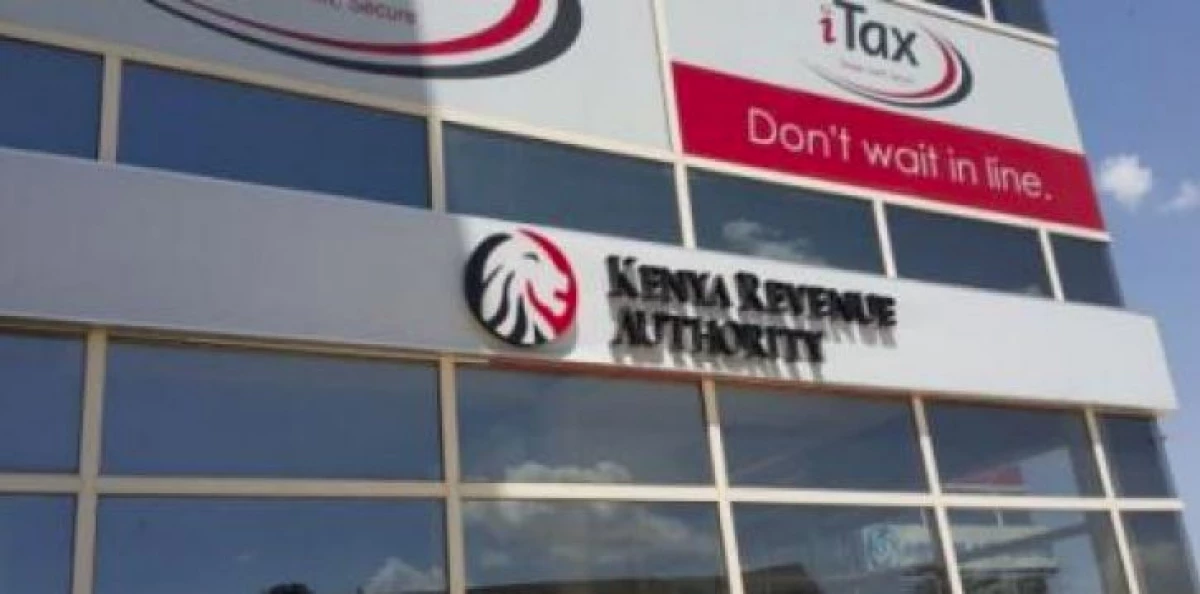
KRA is building AI checks inside iTax to cross-check VAT and income filings, plus an Intelligence Analysis Tool mining registry and social-media data for evasion signals; reports of the latter caused public backlash before KRA said neither tool had gone live yet.
Details
Maturity
Pilot
Promoter
Kenya Revenue Authority (KRA)
Period
2024–2026
Keywords
tax administration, compliance & enforcement, data protection
Context
The Kenya Revenue Authority (KRA) is building two AI tools to widen tax compliance: an automated validation layer inside the iTax filing platform, and a separate Intelligence Analysis Tool (IAT) mining registry, other government data and social media for tax-evasion signals using social-network analysis, geospatial mapping and automated link analysis.
Activities
KRA said in 2024-2025 that the iTax validation feature was scheduled to go live in January 2026, with the IAT rolled out in phases from January to a full launch by June 2026.
Conclusions
When reports of the IAT's social-media monitoring capability circulated in early 2026, they triggered public backlash among taxpayers fearing surveillance; KRA responded that the tools had 'not yet been rolled out' and stressed data governance and minimisation. As of the most recent reporting, KRA has not published any independent evaluation of fraud-detection accuracy or revenue impact, and the rollout had already generated public distrust before going live.
Implementation
Indicative cost
Medium (€50k–€500k) — Development cost not disclosed.
Time to results
Medium (1–3 years) — Planned phased rollout January-June 2026.
Staffing & skills
Kenya Revenue Authority (KRA)
Conditions for success
cross-checking of VAT, income and withholding declarations against third-party records
Common failure modes
planned use of social-media data for evasion detection triggered public backlash before launch
no independent evaluation of fraud-detection accuracy or revenue impact published
Where it fits
Governance type
national tax authority
Scale
national (Kenya)
Income level
lower-middle income (Kenya)
Commonly funded by
National / regional programmes
Indicative funding routes for practices of this type — always check each programme's current calls and eligibility rules.
Do you run this practice?
Claim it —
verified implementers get a public contact pathway and can propose corrections.
Data sources
Where this practice's information was retrieved from, and when.