Península Mitre Peatland Protected Area (Tierra del Fuego, Argentina)
Argentina
On 6 December 2022 Tierra del Fuego's legislature unanimously created a 10,341 km2 protected area over Península Mitre, safeguarding ~2,400 …
New Zealand · Paeroa · See the New Zealand profile
DOC manages the 10,201 ha Kopuatai Peat Dome, New Zealand's largest unmodified restiad bog and a Ramsar site since 1989, whose peat holds an average carbon stock of 2,400 tonnes/ha built up over roughly 11,000 years.
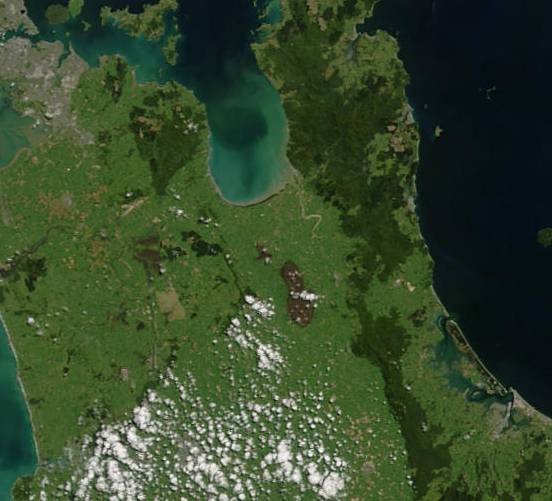
Kopuatai Peat Dome, on the Hauraki Plains about 70km northeast of Hamilton, is the largest unaltered restiad (jointed-rush) raised peat bog remaining in New Zealand, covering 10,201 hectares. It was listed as a Wetland of International Importance under the Ramsar Convention in December 1989 (Site No. 444) and has been managed by the Department of Conservation (DOC) since. Peat cores show accumulation over roughly 11,000 years to depths of up to 14 metres, giving the bog an average carbon stock estimated at 2,400 tonnes of carbon per hectare -- around eight times the carbon typically held by a mature pine plantation, according to New Zealand wetland scientists. The bog supports 54 recorded bird species, including 27 legally protected species, plus endemic long-finned eel and black mudfish populations.
DOC's ongoing management includes hydrological monitoring to protect the bog's water table, control of mammalian pests (possum, deer) and plant pests (willow, invasive aquatic grasses), stock-exclusion fencing, and restoration planting, carried out alongside the wider Waikato Regional Council peat-lakes and wetlands programme covering the roughly 94,000 hectares of remaining Waikato peatland.
Most of the surrounding Hauraki Plains peatland outside the reserve has already been drained for dairying, so Kopuatai functions as a reference site illustrating both the value and the fragility of intact peat carbon stores. No quantified before/after outcome trend for the site's own management interventions (e.g. bird population change) has been published.
Where this practice's information was retrieved from, and when.
Argentina
On 6 December 2022 Tierra del Fuego's legislature unanimously created a 10,341 km2 protected area over Península Mitre, safeguarding ~2,400 …
Vietnam
Since 2009, U Minh Thượng National Park, Vietnam, has had zero forest fires by keeping dry-season water tables above a …
Australia
NSW has removed over 9,000 feral horses from Kosciuszko National Park toward a legal target of 3,000 by 2027; a …
Malaysia
Since 2008, Selangor's Forestry Department and NGO Global Environment Centre have rewetted and replanted Raja Musa Forest Reserve, Peninsular Malaysia's …
Open full copilot Grounded in cited practices — always check the sources.