Kraków Technology Park — City–University Technology Transfer & Special Economic Zone
Poland
Kraków Technology Park, founded in 1997 by the city and three universities, now manages a 1,016-hectare special economic zone with …
Poland · Kraków · See the Poland profile · See the Kraków profile
Evidence: Descriptive / self-reported Top 17% 81/100 · Ask Evidence Copilot about this practice
Founded in 1997 by Kraków's city and regional authorities with its three largest universities, KPT now manages a 949-hectare special economic zone spanning 36 subzones and has driven PLN 18.1 billion in cumulative company investment.
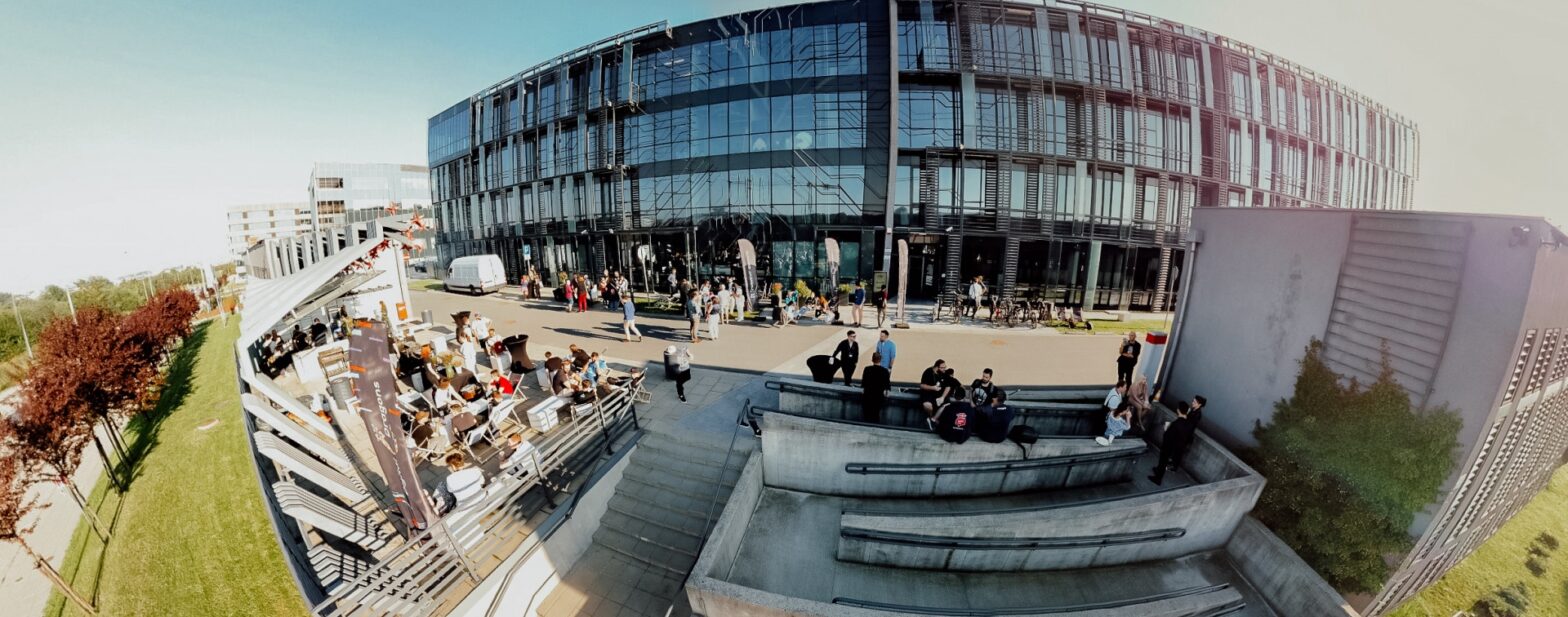
PL21Krakow Technology Park (Krakowski Park Technologiczny, KPT) was founded in December 1997 as Centrum Zaawansowanych Technologii – Kraków, a joint initiative of the City of Kraków, the Małopolska regional authorities and the city's three largest universities: Kraków University of Technology, AGH University of Science and Technology, and Jagiellonian University.
KPT's founding task was to manage a special economic zone offering tax incentives to technology investors while channelling university research and graduates toward local industry.
Alongside the zone, KPT runs a 13-year-old technology incubator, a startup acceleration programme, and leads sector initiatives such as the hub4industry consortium for Industry 4.0 and the Digital Dragons games-industry conference.
The zone has grown from an initial 66 hectares to over 949 hectares across 36 subzones in 35 municipalities spanning three regions. By 2021, KPT was issuing a record 68 investment decisions a year; in 2024 it issued a further record year of decisions, worth almost PLN 2 billion in declared outlays, and total capital expenditure by companies in KPT-managed zones since 1997 has reached PLN 18.1 billion. Its technology incubator currently hosts 40 companies, and its acceleration programme has graduated 85 startups to date, including Autenti, Reality Games, BerryLife, Seedia, Findair and Talent Alpha.
Reported investment figures mix zone-wide capital expenditure by all resident firms — many of them foreign manufacturers drawn by tax relief rather than university spin-offs — with KPT's own incubation and acceleration outputs, so the university-knowledge-transfer share of the PLN 18.1 billion cannot be isolated from the total.
National / regional programmes ERDF — European Regional Development Fund
Indicative funding routes for practices of this type — always check each programme's current calls and eligibility rules.
Do you run this practice? Claim it — verified implementers get a public contact pathway and can propose corrections.
Where this practice's information was retrieved from, and when.
Poland
Kraków Technology Park, founded in 1997 by the city and three universities, now manages a 1,016-hectare special economic zone with …
Slovenia
One of South-East Europe's largest knowledge-commercialisation ecosystems: 300+ resident companies and ~1,500 employees across 75,000 m², with 500+ high-value jobs …
Poland
Founded in 1997 by three Kraków universities, the state and ArcelorMittal, Krakow Technology Park is now a 1,016-hectare zone with …
Cameroon
A volunteer-run tech community in Buea, Cameroon grew from a 2006 web-developer meetup into ActivSpaces, which incubated real startups (Njorku, …
Open full copilot Grounded in cited practices — always check the sources.