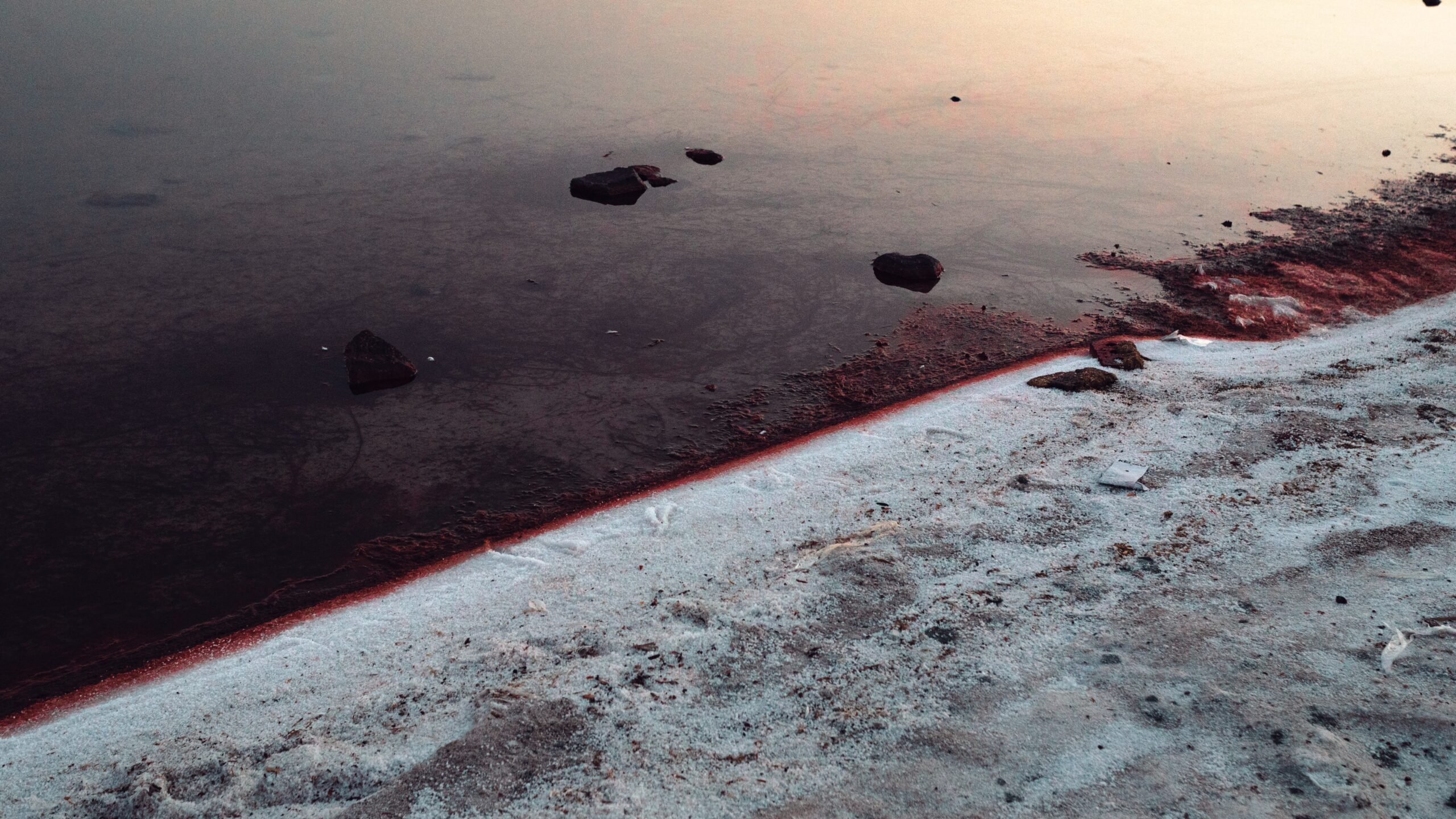
A decade-long Iran–UNDP programme cutting agricultural water use 25% and raising irrigation efficiency ~42% around Ramsar-listed Lake Urmia; independent monitoring shows recent water-level gains, though researchers debate how much is programme-driven versus rainfall.
11,000+ farmers
Farmers engaged (as of 2025 UNDP reporting)
2,800 farmers
Farmers directly trained (as of 2025 UNDP reporting)
200 experts / 12 NGOs count
Local experts and partner NGOs employed (as of 2025 UNDP reporting)
800+ trained / 250+ placed count
Rural women trained / placed in green jobs (as of 2025 UNDP reporting)
25 % (participating areas)
Reduction in agricultural water use (cumulative to latest reporting)
≈42 % (participating areas)
Rise in irrigation efficiency (cumulative to latest reporting)
Iran Department of Environment & UNDP, with Government of Japan co-financing
Period
2014–2025 (Phase 7, ongoing)
Keywords
water resources, wetland restoration, biodiversity, agriculture
Context
The 10-year Lake Urmia Restoration Program (ULRP) was approved by Iran's government in March 2014 and is implemented by Iran's Department of Environment with UNDP support and Government of Japan co-financing. It targets Lake Urmia, once one of the world's largest hypersaline lakes and a designated Ramsar Wetland and UNESCO Biosphere Reserve, which had shrunk by roughly 90% of its surface area by the mid-2010s.
Activities
The programme centres on reducing agricultural water demand in the lake's catchment: UNDP's most recent (2025) reporting states it has engaged over 11,000 farmers, directly trained 2,800 of them, employed 200 local experts and 12 partner NGOs, and trained more than 800 rural women with over 250 placed in green jobs, alongside efficient-irrigation investment.
Results
Reported results include a 25% reduction in agricultural water use and an approximately 42% rise in irrigation efficiency in participating areas, and the lake's water level rose 120cm in the seven months to April 2026 per Iranian environment ministry data.
Conclusions
Independent academic analysis (World Development, 2024) attributes the lake's partial recovery since around 2019 to a combination of above-average rainfall and programme interventions, and explicitly cautions that cleanly separating climatic variability from programme impact remains disputed in the scientific literature.
Implementation
Indicative cost
Very high (> €5M)
Time to results
Long (> 3 years)
Staffing & skills
Iran Department of Environment, UNDP, 200 local experts and 12 partner NGOs, rural women placed in green jobs
Conditions for success
multi-donor financing (Iran, UNDP, Government of Japan)
farmer engagement and training at scale (11,000+ engaged, 2,800 directly trained)
sustained programme continuity across multiple implementation phases (now Phase 7)
Common failure modes
academic analysis explicitly disputes how much of the lake's recovery is attributable to the programme versus above-average rainfall, complicating impact attribution
Where it fits
Governance type
national government programme with UN and bilateral co-financing
Scale
regional (lake catchment)
Income level
upper-middle-income
Commonly funded by
National / regional programmes
Indicative funding routes for practices of this type — always check each programme's current calls and eligibility rules.
Do you run this practice?
Claim it —
verified implementers get a public contact pathway and can propose corrections.
Data sources
Where this practice's information was retrieved from, and when.
A UNDP/GEF project (~US$900,000) is restoring wetland hydrology across 20,803 ha of Moldova's Lower Prut Biosphere Reserve; rehabilitating the Camenca …
France's 2021–2024 national PES pilot paid nearly 3,500 farmers across 130 territories for water-quality, soil and biodiversity outcomes, contracting up …