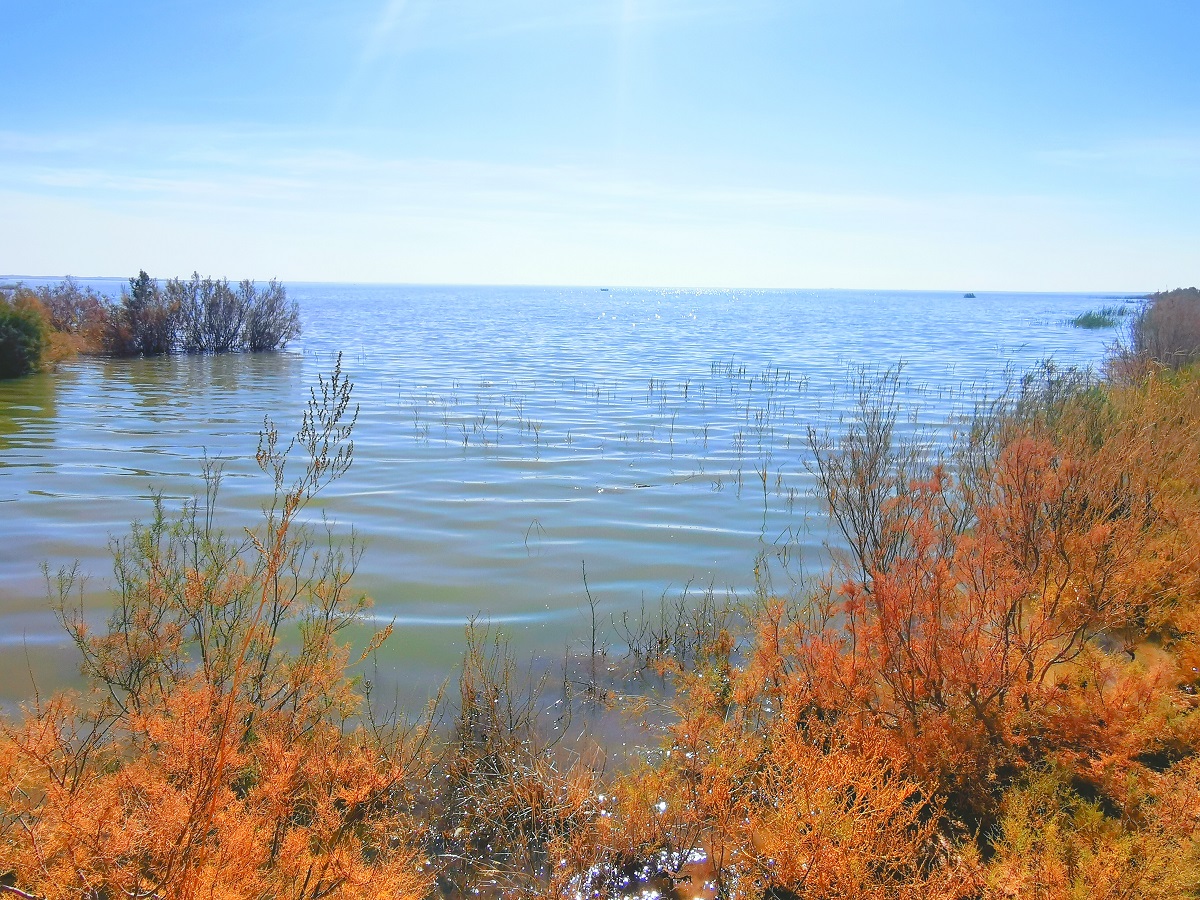
Since 1994, RSCN has worked to rewet Jordan's Azraq Oasis after over-extraction dried its springs in 1992; a 2020 AFD/FFEM-funded rehabilitation restored water allocation (~500,000 m3/yr) and reintroduced 650 native killifish, reaching ~10% of the historic wetland.
500,000 m³/year
Water reallocated to reserve annually
650 individuals
Azraq killifish reintroduced (by Dec 2020)
10 %
Share of historic oasis extent revived
Details
Maturity
Scaling
Promoter
Royal Society for the Conservation of Nature (RSCN)
Period
1994–ongoing (renewed pumping 2020)
Keywords
wetland restoration, water allocation, biodiversity, desert oasis
Context
Groundwater over-extraction dried Azraq Oasis's main springs by 1992; RSCN has managed the Azraq Wetland Reserve since the 1990s under a 1994 restoration plan targeting 10% revival of the oasis's historic extent.
Results
A 2020 AFD/FFEM-funded rehabilitation resumed pumping (about 500,000 m³/year), grew open water area by roughly 5%, and reintroduced 650 endemic killifish, but RSCN reports only about 10% of the historic wetland extent has been revived and the underlying aquifer over-abstraction persists.
Implementation
Indicative cost
Medium (€50k–€500k)
Time to results
Long (> 3 years)
Staffing & skills
RSCN rangers and monitoring staff, About 60 local families in ranger/monitoring/ecotourism roles
Conditions for success
Continued external co-financing (AFD/FFEM) for pumping and pool rehabilitation
Community livelihoods tied to reserve monitoring and ecotourism
Do you run this practice?
Claim it —
verified implementers get a public contact pathway and can propose corrections.
Data sources
Where this practice's information was retrieved from, and when.
A decade-long Iran–UNDP programme cutting agricultural water use 25% and raising irrigation efficiency ~42% around Ramsar-listed Lake Urmia; independent monitoring …