Astana International Financial Centre — An English Common-Law Enclave for International Finance
Kazakhstan
Kazakhstan built an English-common-law jurisdiction in Astana in 2018 to attract international finance; by 2025 it hosted 4,900+ firms from …
Lesotho · Maseru · See the Lesotho profile · See the Maseru profile
Evidence: Observational / pre–post Top 96% 38/100 · Ask Evidence Copilot about this practice
LNDC's push for export-garment FDI built a sector employing ~34,000 (mostly women) and generating $300m in 2024 exports, but jobs fell from 51,325 (2020) to 34,151 (2024), and a 2025 AGOA lapse triggered a state of disaster.
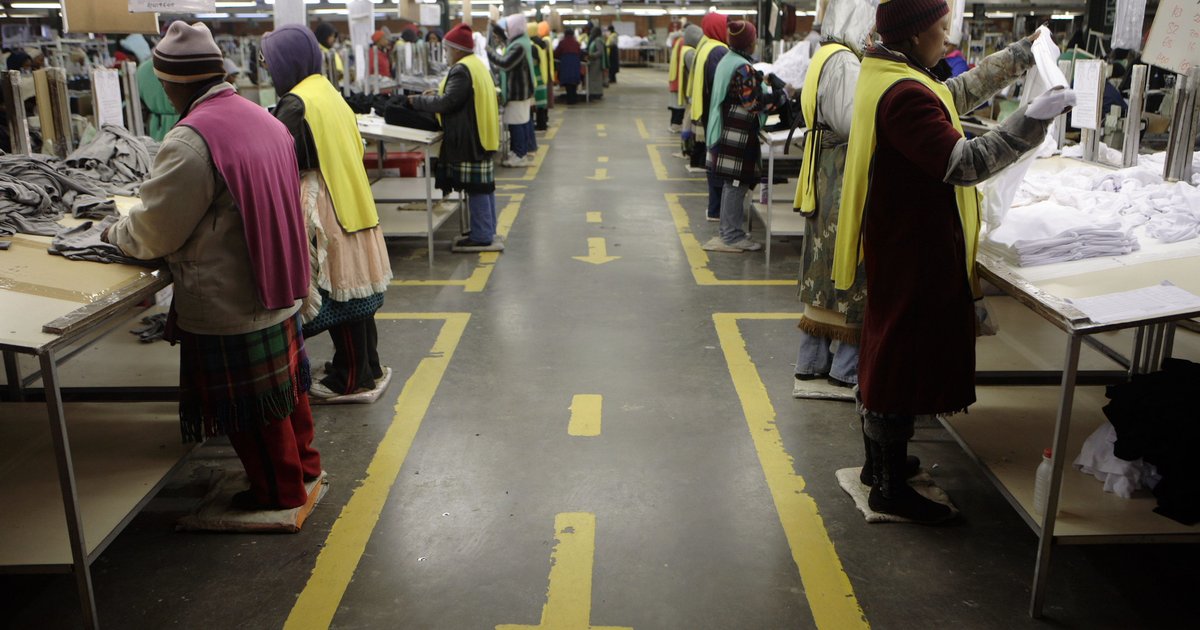
Since 1967, Lesotho's national investment-promotion agency, LNDC, has courted export-oriented garment manufacturers, mainly Asian-owned factories serving the US market, anchored from 2000 by duty-free access under the African Growth and Opportunity Act (AGOA).
LNDC's strategy has been to use AGOA trade preferences to attract large-scale foreign direct investment into export-garment manufacturing as an engine of employment and export growth.
LNDC promoted and facilitated foreign investment in garment factories serving the US market, building a sector that by 2024 employed roughly 34,000 workers, about three-quarters of them women.
By 2024, garment exports reached USD 300 million, more than half of Lesotho's manufactured-goods exports and around 35% of total exports; however, employment in AGOA-assisted manufacturing fell from 51,325 workers in 2020 to 34,151 in 2024, a decline of roughly a third, and the September 2025 AGOA lapse triggered order cancellations, production slowdowns, factory closures and a national state of disaster before the US extended AGOA through 31 December 2026.
The LNDC model shows that a single-sector, trade-preference-anchored strategy can attract large-scale FDI and female employment, but remains acutely exposed to external trade-policy shocks outside the country's control.
National / regional programmes
Indicative funding routes for practices of this type — always check each programme's current calls and eligibility rules.
Do you run this practice? Claim it — verified implementers get a public contact pathway and can propose corrections.
Where this practice's information was retrieved from, and when.
Kazakhstan
Kazakhstan built an English-common-law jurisdiction in Astana in 2018 to attract international finance; by 2025 it hosted 4,900+ firms from …
Côte d'Ivoire
Côte d'Ivoire's investment agency merged company registration, tax and social-security formalities into one window (GUFE), cutting business creation from 40 …
Trinidad and Tobago
In April 2025, Trinidad and Tobago merged its investment, export and creative-industry agencies into 'Global Trinidad and Tobago,' citing a …
Morocco
Morocco's Casablanca Finance City grew to 200+ member companies since 2010 and topped the Global Financial Centres Index for Africa …
Open full copilot Grounded in cited practices — always check the sources.