Bhutan for Life — Project Finance for Permanence (Bhutan)
Bhutan
Asia's first 'Project Finance for Permanence' secures 1.1 M ha of protected Himalayan forest in Bhutan via a USD 118 …
Namibia · Windhoek · See the Namibia profile · See the Windhoek profile
Evidence: Observational / pre–post Top 40% 47/100 · Ask Evidence Copilot about this practice
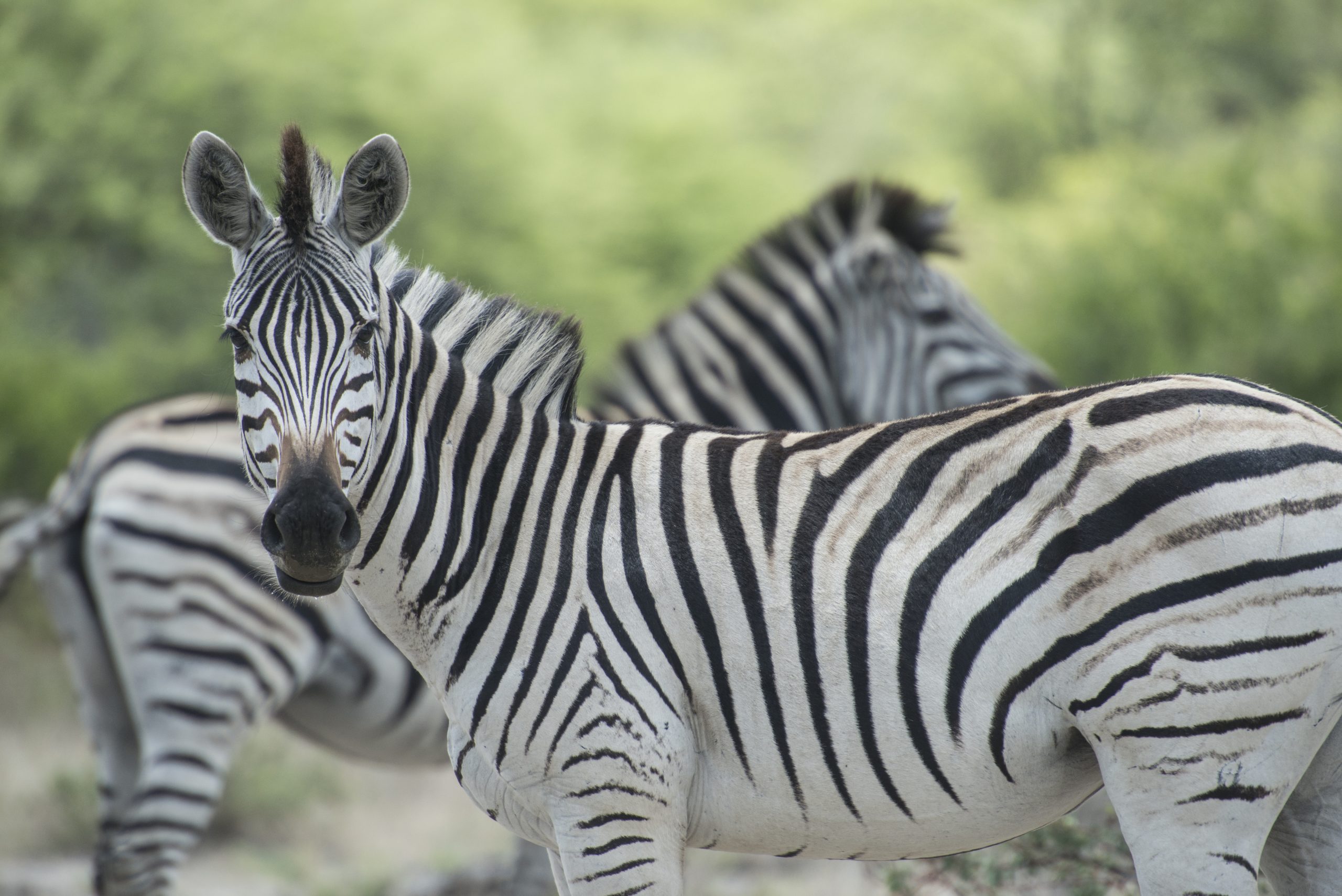
86 communal conservancies covering 16.6M ha (about 20% of Namibia) pay 230,000+ rural members to manage wildlife and natural resources. Elephant populations rose 10-fold and zebra 28-fold since 1993; Namibia now holds the world's largest free-roaming cheetah population.
Namibia's Community-Based Natural Resource Management (CBNRM) programme is one of Africa's most-documented biodiversity-focused payments-for-ecosystem-services schemes. Enabled by the Nature Conservation Amendment Act of 1996, it grants rural communities the legal right to establish conservancies, manage wildlife, and receive income from natural resource use on communal lands.
The programme aims to give communities a legal and economic stake in wildlife conservation, generating income from tourism, trophy hunting, craft sales and conservation partnerships in exchange for coexisting with and conserving wildlife.
The first communal conservancy was registered in 1998. NACSO (Namibian Association of CBNRM Support Organisations) coordinates programme monitoring and publishes annual State of Community Conservation (SOCC) reports, with technical and financial support from WWF-Namibia and USAID's LIFE Project (from 1993).
By 2023, 86 conservancies covered approximately 166,179 km2 (16.6 million hectares) — about 20% of Namibia's land area — and supported more than 230,000 community members. In northwest Namibia, elephant populations rose from approximately 50 in 1993 to over 500; mountain zebra from 500 to 14,000; and springbok to 100,000. Namibia now hosts the world's largest free-roaming cheetah population (estimated 2,500 individuals). Conservancy revenues reached N$2.35 million across 31 conservancies in 2004 and have grown substantially since.
Academic literature describes the programme as an unrecognised payments-for-ecosystem-services scheme, since wildlife-use income directly compensates communities for coexisting with and conserving wildlife on their communal lands.
National / regional programmes
Indicative funding routes for practices of this type — always check each programme's current calls and eligibility rules.
Do you run this practice? Claim it — verified implementers get a public contact pathway and can propose corrections.
Where this practice's information was retrieved from, and when.
Bhutan
Asia's first 'Project Finance for Permanence' secures 1.1 M ha of protected Himalayan forest in Bhutan via a USD 118 …
Australia
Aboriginal-owned carbon project in western Arnhem Land: Traditional Owners apply strategic early dry-season burning over 28,000 km2 to reduce late-season …
Portugal
Portugal's national PES pilot (Resolução 121/2019): Fundo Ambiental pays 14 landowners €3.7M over 20 years to conserve 27,674 ha — …
Spain
Spain's CAP Strategic Plan (PEPAC 2023-2027) pays farmers in dehesa and agroforestry systems—~3.5 million ha of Extremadura, Andalusia and Castilla …
Open full copilot Grounded in cited practices — always check the sources.