Zagreb's Post-Earthquake Heat Mapping — Targeting Tree Planting & Green Roofs to Cool City Blocks
Croatia
After the 2020 earthquake, Zagreb used rebuild funds to heat-map city blocks with the University of Zagreb, plant 1,500 trees …
Latvia · Riga · See the Latvia profile · See the Riga profile
Evidence: Observational / pre–post Top 76% 33/100 · Ask Evidence Copilot about this practice
Since 2021 Riga has converted mown lawns into 42 flower-rich meadows covering 13.7 hectares, aiming for 45 sites and 15 hectares by 2027 under EU LIFE-funded urbanLIFEcircles, run by the Latvian Fund for Nature with Riga City Council to restore pollinator habitat connectivity.
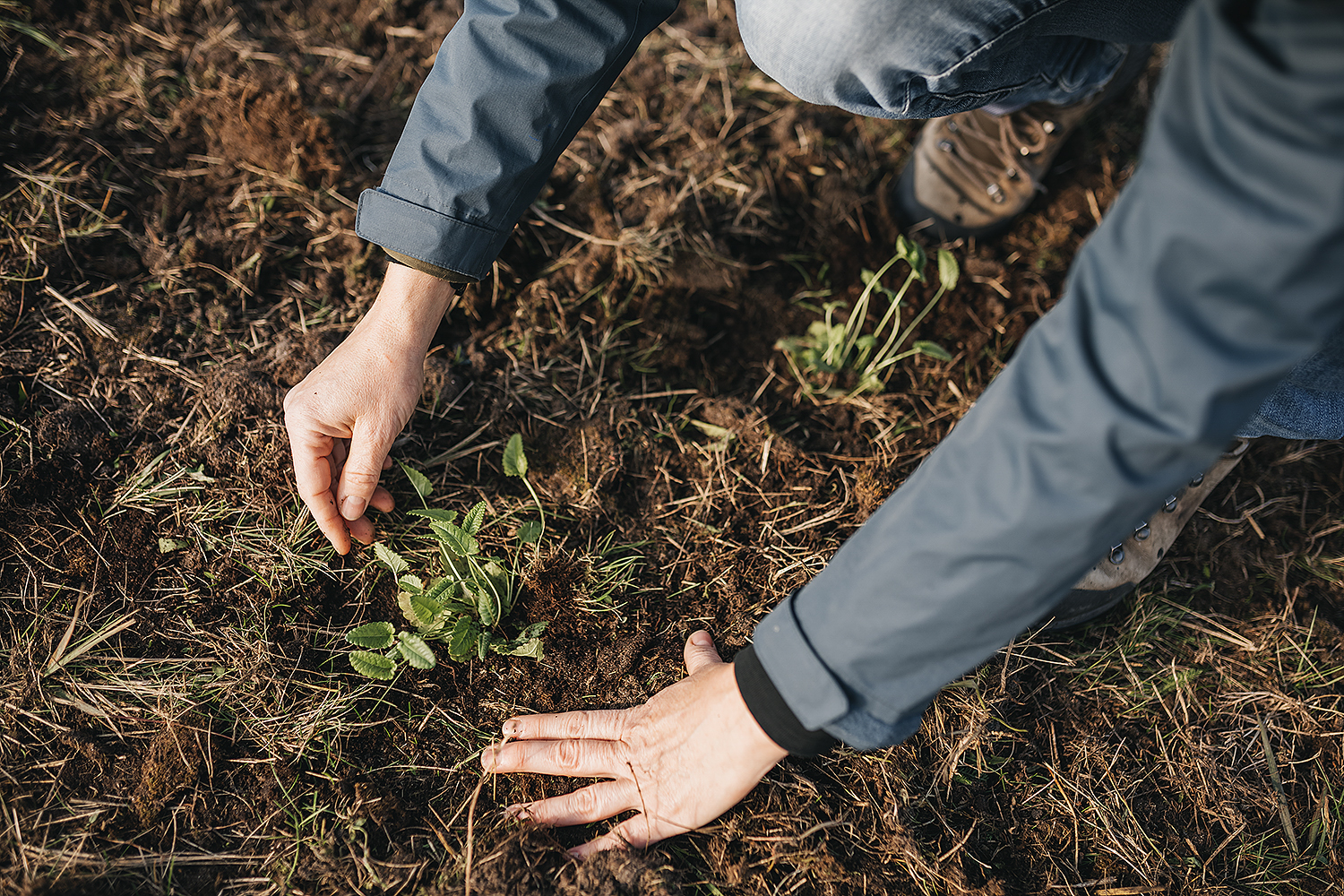
LV00Riga City Council and the Latvian Fund for Nature (Latvijas Dabas fonds, LFN) have replaced regularly mown amenity lawns with low-intensity-managed urban meadows across the city, starting with the EU LIFE-funded GrassLIFE project in 2021 and continuing under urbanLIFEcircles (LIFE21-NAT-EE-101074453, 2022-2027), a EUR 10.27 million programme (EUR 6.16 million EU-funded) coordinated with the cities of Tartu (Estonia) and Aarhus (Denmark).
The programme's stated aim is to restore ecological connectivity for pollinators and other urban wildlife by linking meadow patches into 'urban LIFE circles' connecting green spaces, nature reserves and Natura 2000 sites.
Delivery combines municipal land management with citizen and neighbourhood-association involvement in selecting and maintaining sites across neighbourhoods including Jugla, Mežaparks, Purvciems, Ķengarags, Grīziņkalns and Āgenskalns.
By mid-2026, Riga counted 42 meadow sites totalling 13.7 hectares, with a formal target of at least 45 sites and 15 hectares by project end in 2027.
LFN and the EU LIFE programme report the area converted and site count as headline metrics, but peer-reviewed pollinator-abundance or plant-species-richness outcomes specific to the Riga sites had not yet been published, so the ecological gains remain an evidenced target rather than a measured result.
Indicative funding routes for practices of this type — always check each programme's current calls and eligibility rules.
Do you run this practice? Claim it — verified implementers get a public contact pathway and can propose corrections.
Where this practice's information was retrieved from, and when.
Croatia
After the 2020 earthquake, Zagreb used rebuild funds to heat-map city blocks with the University of Zagreb, plant 1,500 trees …
Mozambique
A €51M rehabilitation of Beira's silted Chiveve River created a 47-hectare mangrove-lined park with a tidal flood-control outlet, giving over …
United Kingdom
Sheffield turned a redundant dual carriageway into the UK's largest retrofit SuDS scheme (2014-2022): swales cut peak flow up to …
Norway
Oslo requires new developments to hit a minimum 'Blue-Green Factor' score for stormwater, vegetation, biodiversity and recreation; a peer-reviewed study …
Open full copilot Grounded in cited practices — always check the sources.