Senegal's Law on Absolute Gender Parity in Elective Bodies 2010 (Loi 2010-11)
Senegal
Senegal's Law 2010-11 mandated alternating gender parity on all electoral lists. In 2012, women in the National Assembly rose from …
Rwanda · Kigali · See the Rwanda profile
Rwanda's 2003 Constitution (Art. 76) mandates ≥30% women in all elected positions; the Gender Monitoring Office (Law 51/2007) enforces compliance across public, private and civil society. By 2024, Rwanda holds 63.8% female MPs in its Chamber of Deputies — the world's highest for
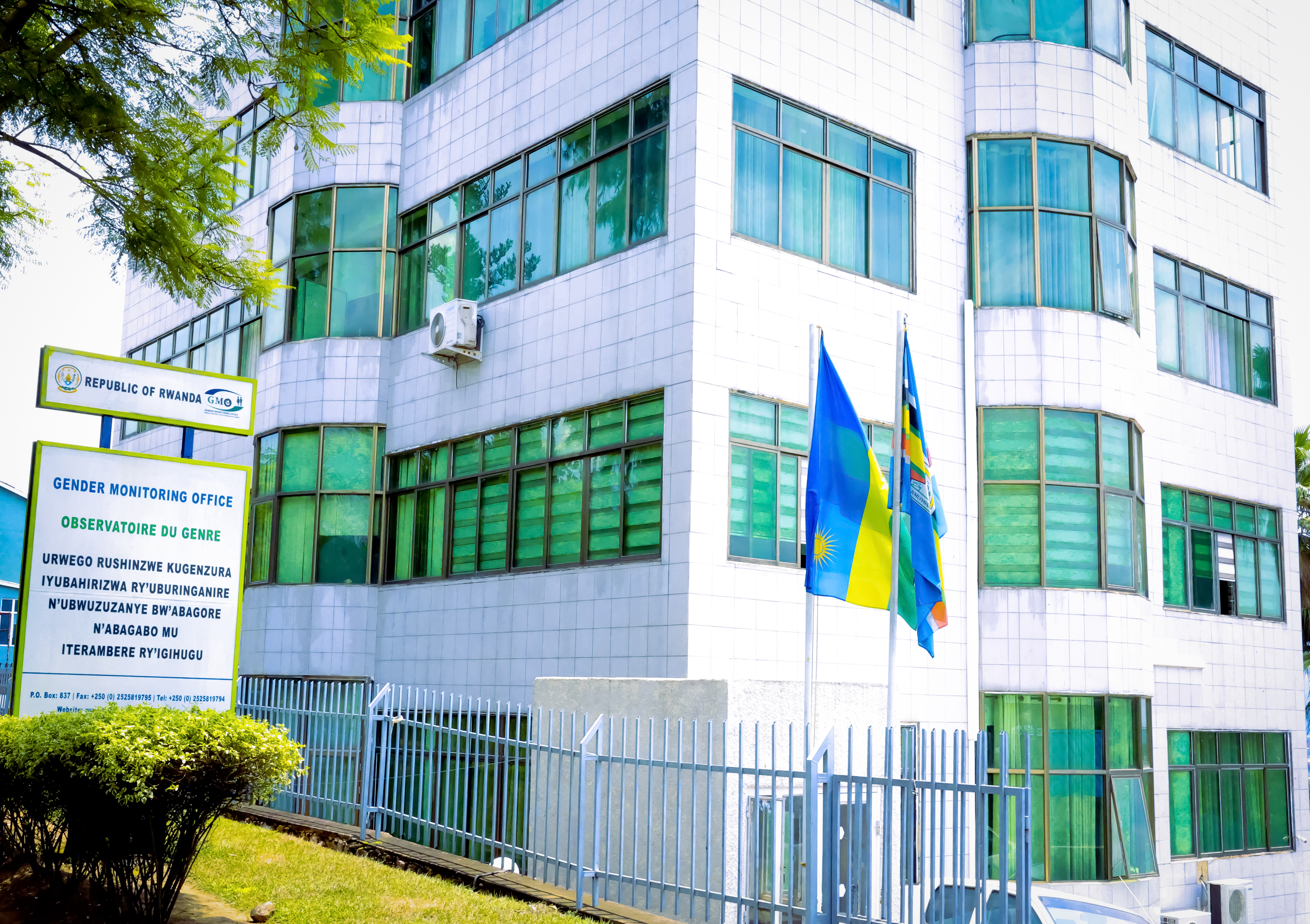
Rwanda's 2003 Constitution (Article 76) mandates at least 30% women in all elected positions, enforced across public, private and civil-society bodies by the Gender Monitoring Office (Law 51/2007).
Women's parliamentary representation rose from under 25% before 2003 to 48.8% at the first post-Constitution election and 63.8% by 2024 — the world's highest.
Implementation detail (cost, timeline, staffing, conditions for success) is not yet available for this practice.
Where this practice's information was retrieved from, and when.
Senegal
Senegal's Law 2010-11 mandated alternating gender parity on all electoral lists. In 2012, women in the National Assembly rose from …
Ireland
Ireland's 2012 law conditions party state funding on fielding ≥30% women candidates (threshold raised to 40% in 2023). Women's Dáil …
Taiwan
Taiwan reserves at least one in four council seats for women in multi-member districts. Women now hold 41.6% of the …
Italy
In 2021 during the year of the Italian Presidency the G20 organised a Conference entirely dedicated to the theme of …
Open full copilot Grounded in cited practices — always check the sources.