Top 50%
in this catalogue (719 scored practices)
Scores cluster high, so position within the catalogue is often more telling than the number alone.
Transferability / replicability2/3
Delivered in parallel across two very different Nigerian contexts (northern Kano and southern Lagos) under the wider GESP model that FCDO/UNICEF also run in Bangladesh, showing cross-context replication.
Impact on gender equality1/1
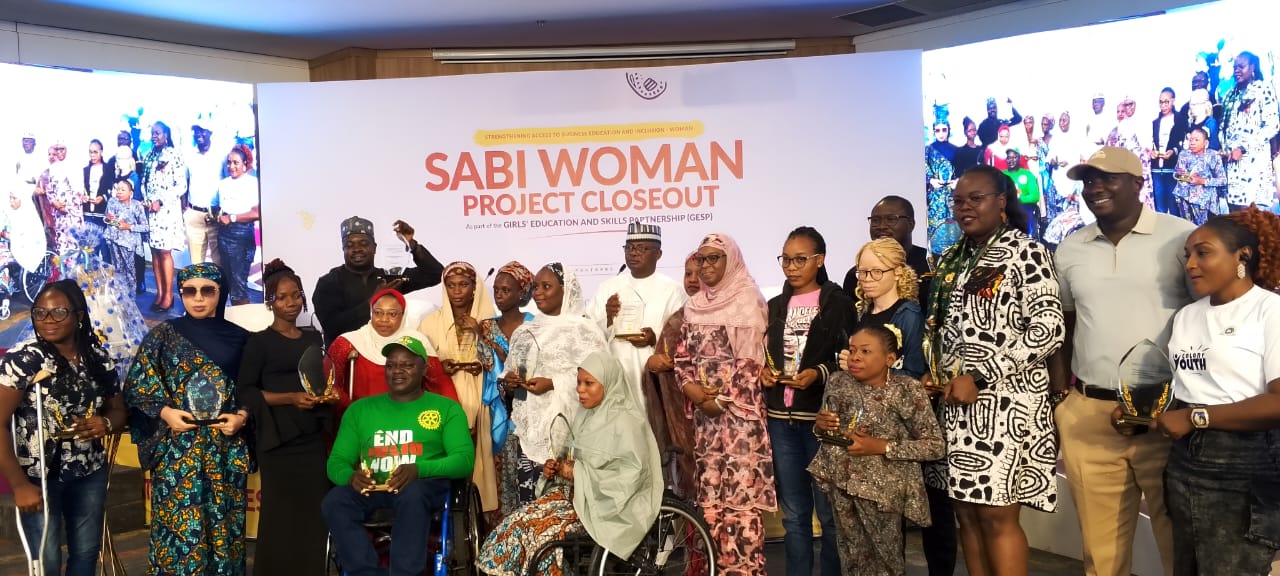
2,878 women and girls with disabilities directly reached is a large, quantified gain for an intersectional group (gender + disability) largely absent from this catalogue.
Effectiveness1/1
An 88% repayment rate on business starter kits is a concrete behavioural signal that the entrepreneurship support functioned as intended.
Efficiency0/1
No independent cost-per-beneficiary or value-for-money analysis of the N40m+ starter-kit fund was found.
Evaluated outcomes0/1
Figures (reach, repayment rate) come from the implementer's own reporting amplified by press and a government close-out event, not an independent third-party evaluation.
Sustainability1/1
A follow-on Lagos cohort (70 women, N4.7m seed grants, reported December 2024) shows the model continued into a further funding round rather than stopping after one cycle.
Achievement / evidence1/1
Consistent, itemised reach figures are corroborated across the official wire service (NAN) and multiple independent Nigerian outlets.
Gender-mainstreaming embedding1/1
The design deliberately intersects gender and disability, and explicitly trains employers on disability-inclusive, equal-opportunity practices rather than only training beneficiaries.
Curator validation0/1
Not yet subject to independent curator review beyond the sources cited.
Evidoria. SABI-Woman — Disability-Inclusive Business Education & Seed Funding for Women in Kano and Lagos. Persistent ID: 7dffbc06-794c-4e29-81a9-1613010e8824.