National Eelgrass Restoration & Blue-Carbon Guidelines (Sweden)
Sweden
Since the 1980s over 60% (~12,500 ha) of eelgrass has vanished from Sweden's west coast. University of Gothenburg's Zorro group, …
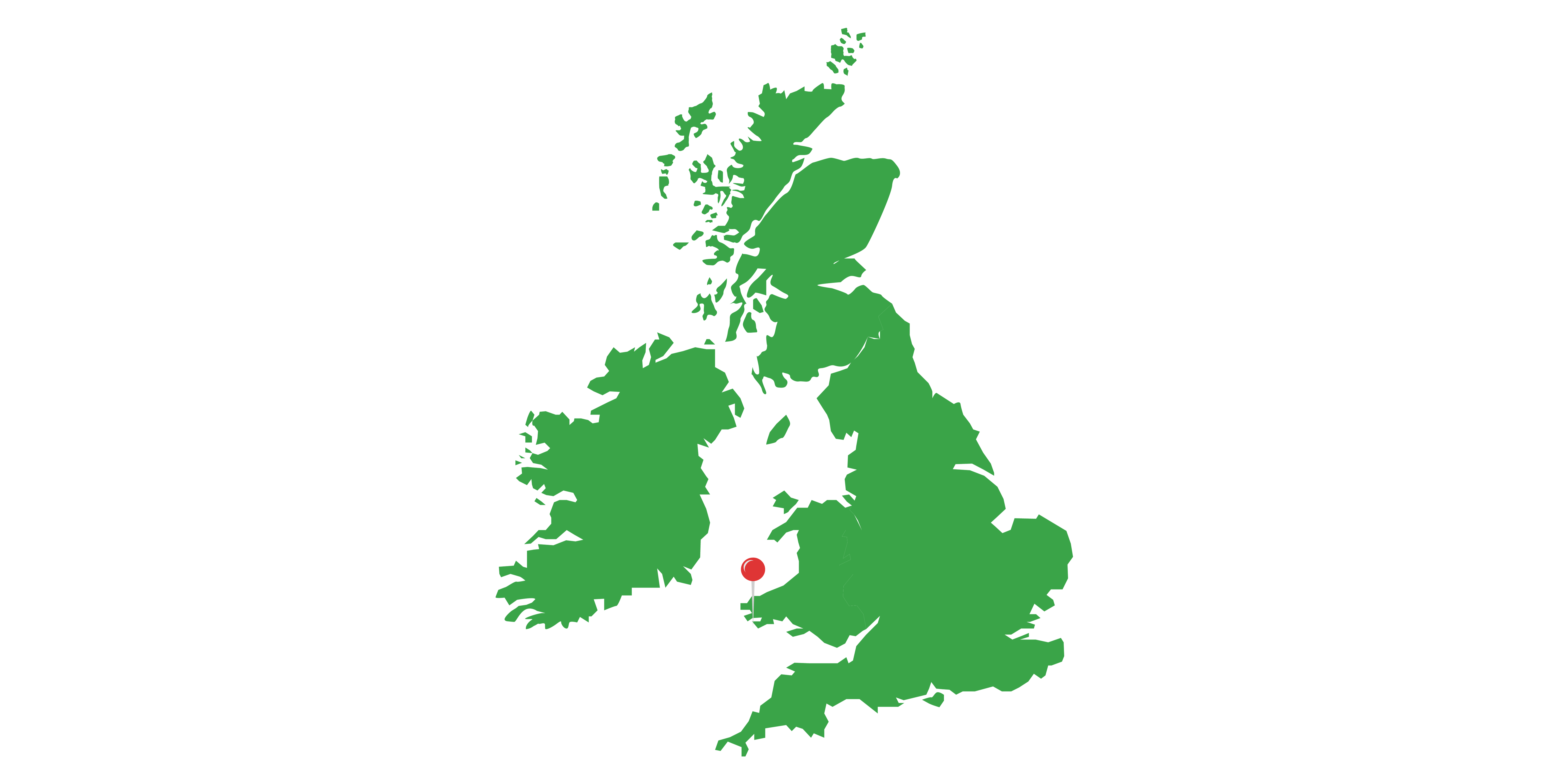
United Kingdom · Dale · See the United Kingdom profile
Evidence: Observational / pre–post Top 59% 40/100 · Ask Evidence Copilot about this practice
WWF and Sky Ocean Rescue funded Swansea University, Project Seagrass and Pembrokeshire Coastal Forum to plant the UK's first major seagrass restoration site at Dale (2 ha, 1m+ seeds, 2019-20); the partnership model has since scaled to a 10 ha North Wales programme.
The UK has lost an estimated 92% of its historic seagrass meadows over the past century to disease, pollution, dredging and coastal development, eliminating a habitat that supports fisheries, stabilises sediment and stores carbon.
In 2019, the WWF and Sky Ocean Rescue corporate partnership funded Swansea University, Project Seagrass and Pembrokeshire Coastal Forum to run a 2-hectare pilot restoration at Dale, Pembrokeshire — collecting, processing and hand-planting over 1 million Zostera marina seeds, the UK's first seagrass restoration at this scale. Monitoring and mechanisation trials continued through 2020-22, and the partnership model was extended to a 10-hectare Seagrass Ocean Rescue programme across multiple North Wales sites.
Published technical monitoring reports (2022) recorded surviving, maturing seagrass plants at the Dale site and the beginnings of a self-sustaining meadow, providing an evidence base for the subsequent, larger North Wales rollout.
Seagrass restoration by seeding is slow and success-rate sensitive: Dale's technical reports describe partial survival and an early-stage meadow rather than full historical recovery, and the North Wales programme's 10-hectare target had not been reported as complete in the most recent public updates, underscoring that corporate-funded pilots of this kind typically scale slowly relative to the scale of historical loss.
Philanthropic / foundation funding National / regional programmes
Indicative funding routes for practices of this type — always check each programme's current calls and eligibility rules.
Reusable artefacts from this practice — as published by their sources.
Do you run this practice? Claim it — verified implementers get a public contact pathway and can propose corrections.
Where this practice's information was retrieved from, and when.
Sweden
Since the 1980s over 60% (~12,500 ha) of eelgrass has vanished from Sweden's west coast. University of Gothenburg's Zorro group, …
Benin
Since 2014, Eco-Benin and partners have restored mangroves across the ~9,678 ha Bouche du Roy reserve on the Benin-Togo border; …
Thailand
Thailand's national coastal mangrove carbon scheme (T-VER, March 2023): 98 communities enrolled protecting 34,456 ha under 30-year agreements paying US$78/ha …
Bhutan
Asia's first 'Project Finance for Permanence' secures 1.1 M ha of protected Himalayan forest in Bhutan via a USD 118 …
Open full copilot Grounded in cited practices — always check the sources.