Singapore's LifeSG — Once-Only Life-Event Bundling Cuts Birth Registration From 60 to 15 Minutes
Singapore
GovTech's LifeSG lets new parents register a birth, apply for Baby Bonus and enrol a library membership in one 15-minute …
Sweden · Stockholm · See the Sweden profile · See the Stockholm profile
Evidence: Descriptive / self-reported Top 12% 80/100 · Ask Evidence Copilot about this practice
Sweden's National Archives built an in-house AI handwriting-recognition model, trained via a three-year citizen-science transcription effort, to make over a million pages of 17th- and 18th-century court and witchcraft-trial records full-text searchable, and released the results a
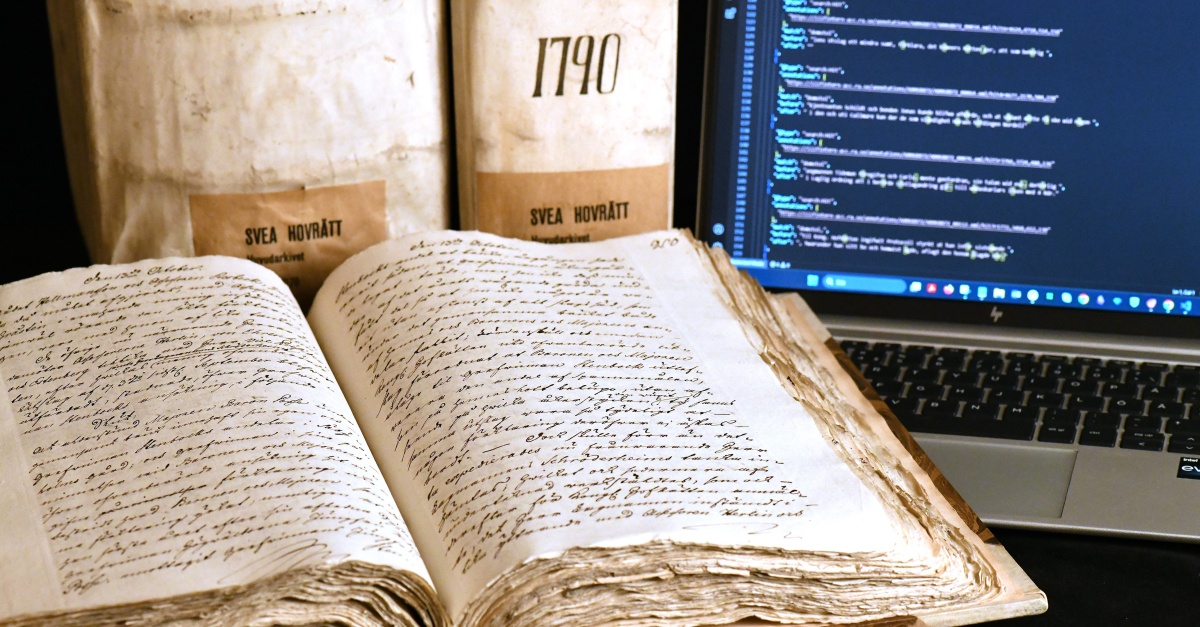
SE11Sweden's National Archives (Riksarkivet) operates its own AI research unit, AIRA, which built 'Swedish Lion', a handwritten text recognition (HTR) model trained specifically to read Swedish handwriting from roughly 1600 to 1900. The training data came from 'Transkriberingsnod Sverige', a three-year, publicly funded collaboration in which volunteer genealogy researchers manually transcribed historical documents to build the ground-truth dataset the model needed.
The project aims to make large historical archival collections full-text searchable, starting with two major collections: the 17th-century Witchcraft Commission archive and the 18th-century Svea Court of Appeal protocols.
Riksarkivet has published the machine-interpreted texts as open data, downloadable via API or as XML files, and previously open-sourced its underlying HTR/OCR tooling, including the 'HTRflow' framework, for reuse by other archives and researchers.
The model has made roughly 1.2 million pages full-text searchable in the National Archives Database, from an initial batch of over one million handwritten documents. Riksarkivet has said millions more archival pages will be processed and published progressively through 2025.
Because the project's own materials do not publish a formal, independently verified accuracy or error-rate figure, the practice is evidenced primarily by its delivered, publicly checkable output rather than by a benchmarked accuracy score.
National / regional programmes
Indicative funding routes for practices of this type — always check each programme's current calls and eligibility rules.
Do you run this practice? Claim it — verified implementers get a public contact pathway and can propose corrections.
Where this practice's information was retrieved from, and when.
Singapore
GovTech's LifeSG lets new parents register a birth, apply for Baby Bonus and enrol a library membership in one 15-minute …
Russia
Moscow's public health department centrally benchmarks and deploys a marketplace of 50+ vetted computer-vision diagnostic tools as a mandatory "second …
United Kingdom
A Gemini-powered tool converts decades of paper planning records into structured digital data, saving councils an estimated 255 hours a …
Estonia
Estonia's open-source virtual-assistant ecosystem giving citizens a single conversational channel to public services, integrated across 18+ organisations, with human hand-off …
Open full copilot Grounded in cited practices — always check the sources.