She Code Africa — Pan-African Digital Skills Training for Women and Girls
Nigeria
Founded in Lagos in 2016, nonprofit She Code Africa grew from local meetups into a pan-African network training women and …
United States of America · Menlo Park · See the United States of America profile
Technovation Girls has run girls' tech-entrepreneurship programmes in 120+ countries since 2010; an independent 2020 WestEd alumnae study found 76% of alumnae pursue STEM degrees and 60% work in STEM, versus much lower national baselines.
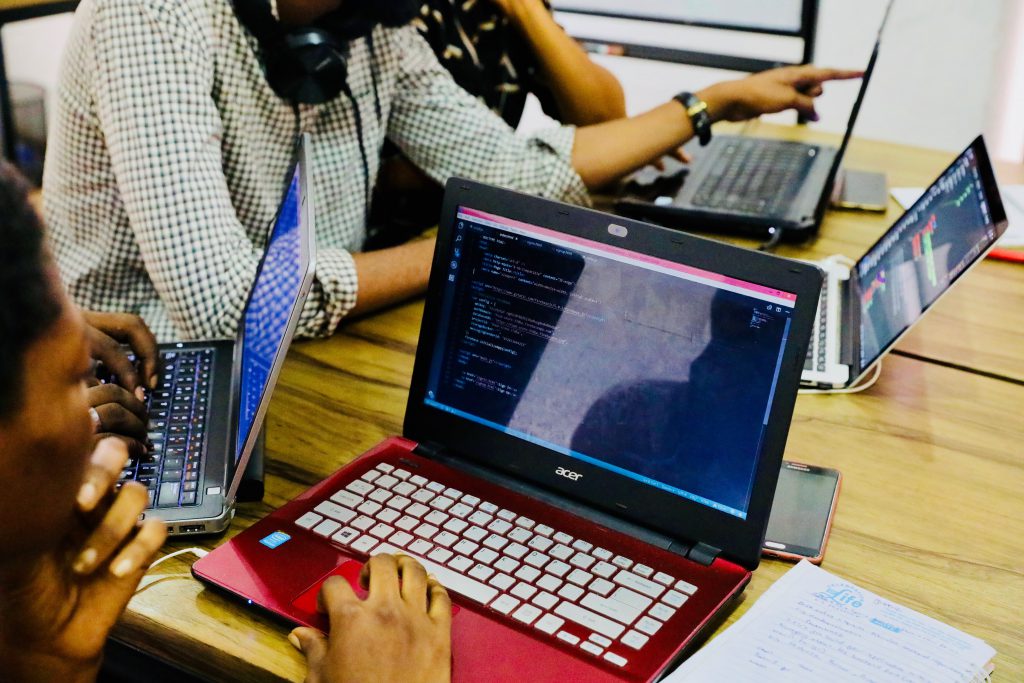
Technovation Girls is a global technology-entrepreneurship programme for girls aged 8–18, run by the US non-profit Technovation, in which teams build technology solutions to community problems aligned with the UN Sustainable Development Goals, supported by volunteer industry mentors. Operating in 120+ countries since around 2010, UNESCO's SDG4 Knowledge Hub describes it as the world's largest and longest-running technology-entrepreneurship programme for girls, citing over 370,000 participants.
The programme aims to close the STEM gender gap by building durable pathways for girls into STEM education and careers.
Teams of girls identify a community problem tied to the SDGs and build a technology solution with support from volunteer mentors.
In 2020, an independent survey of the first alumnae cohort by WestEd found that 76% were pursuing a STEM degree and 60% were working in STEM roles, compared with national baselines of about 21% and 29% respectively; 93% reported improved teamwork and collaboration, and 84% reported increased persistence. 2024 programme demographic data show 59% of participants come from low- or middle-income countries, 58% attend schools without coding instruction, and 19% lack regular internet access.
The 76%/60% figures describe only the earliest, smallest alumnae cohort, surveyed roughly nine years after participation, rather than the much larger recent intake; participation being opt-in and requiring mentor access and connectivity may still under-reach the most marginalised girls.
Implementation detail (cost, timeline, staffing, conditions for success) is not yet available for this practice.
Where this practice's information was retrieved from, and when.
Nigeria
Founded in Lagos in 2016, nonprofit She Code Africa grew from local meetups into a pan-African network training women and …
Poland
Women in Tech Days is an online festival designed to empower and elevate women in the technology sector. Organized by …
France
Gecina has demonstrated a robust commitment to gender diversity, achieving significant representation of women across its leadership structures. Women comprise …
Sweden
"Women In Business - Empower - Share - Inspire" is a Swedish magazine dedicated to highlighting the significant contributions of …
Open full copilot Grounded in cited practices — always check the sources.