Rotterdam Green Roof Subsidy Programme — Avoided-Cost Stormwater Retention Payments
Netherlands
Since 2008 Rotterdam has paid building owners up to €500 per m³ of stormwater retained by green roofs, an avoided-cost …
Canada · Toronto · See the Canada profile · See the Toronto profile
Evidence: Descriptive / self-reported Top 41% 47/100 · Ask Evidence Copilot about this practice
Toronto's Eco-Roof Incentive Program pays building owners CAD 100 per m² for green roofs (CAD 2-5/m² for cool roofs); since 2009 it has funded 600+ projects covering 1.1 million m², diverting over 17.5 million litres of stormwater annually per city data.
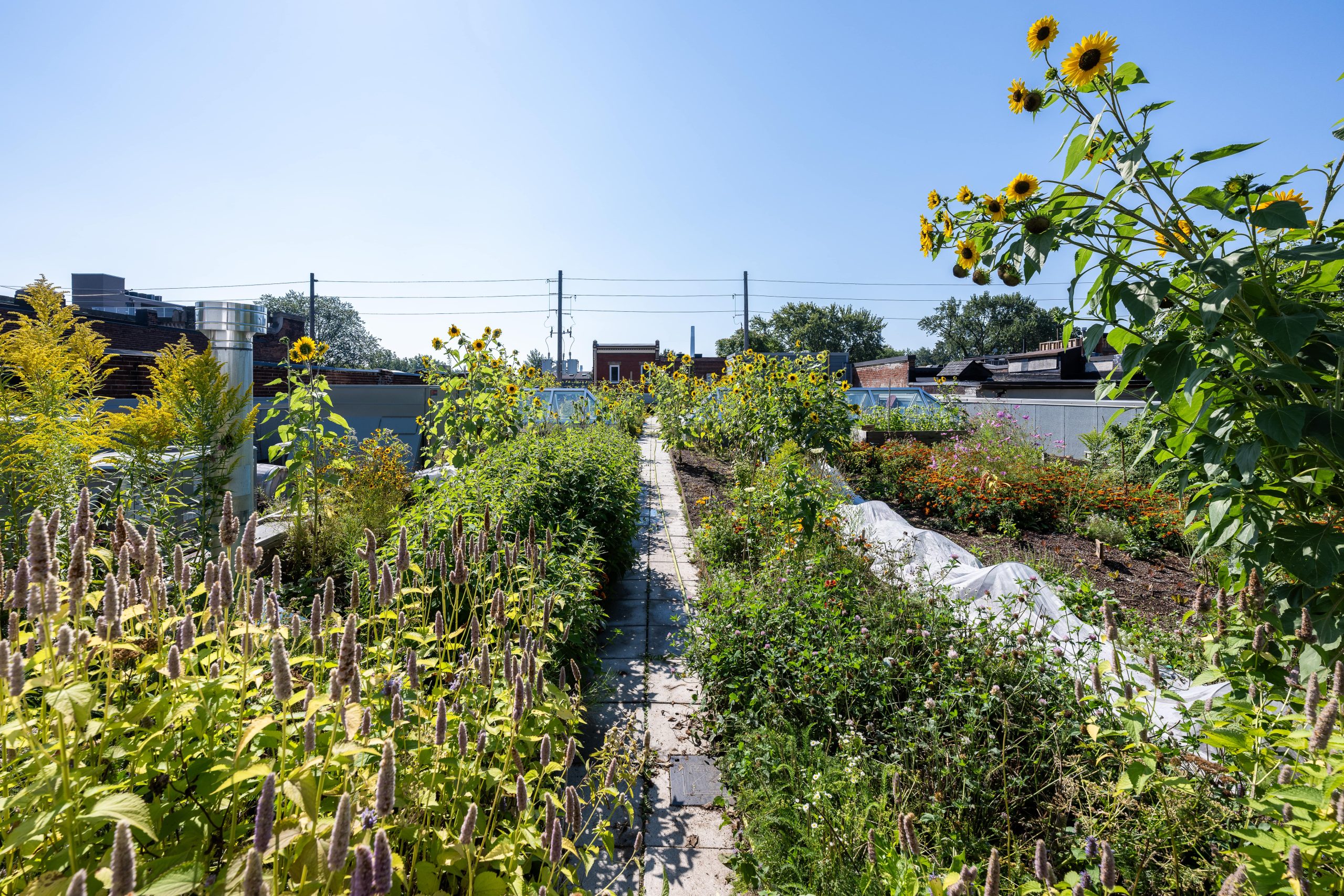
Toronto's combined and separated sewer systems face capacity pressure from intense rainfall events, and the city's 2009 Green Roof Bylaw requires green roofs on new large developments.
Running alongside the bylaw, the Eco-Roof Incentive Program pays existing building owners to retrofit green or reflective ('cool') roofs that are not otherwise mandated.
The City of Toronto's Environment and Climate Division funds green roofs at CAD 100/m2 (capped at CAD 100,000/project) and cool roofs at CAD 2-5/m2 (capped at CAD 50,000/project); applications are reviewed jointly by the Environment and Climate Division, City Planning, Toronto Building and Toronto Water.
Since the 2009 launch the programme has funded more than 600 eco-roof projects, creating an estimated 1.1 million square metres of green and cool roof space; the city reports these projects divert over 17.5 million litres of stormwater annually. In 2024 alone the programme approved 41 new projects adding roughly 63,255 m2 of eco-roof space.
Figures are drawn from municipal programme reporting rather than independent third-party audits, and cost-effectiveness relative to grey-infrastructure alternatives was not independently verified in the sources reviewed.
Own resources / municipal budget
Indicative funding routes for practices of this type — always check each programme's current calls and eligibility rules.
Do you run this practice? Claim it — verified implementers get a public contact pathway and can propose corrections.
Where this practice's information was retrieved from, and when.
Netherlands
Since 2008 Rotterdam has paid building owners up to €500 per m³ of stormwater retained by green roofs, an avoided-cost …
Belgium
Since 2002 the City of Ghent has paid residents, schools and businesses EUR25-31 per m2 to install green roofs and, …
Denmark
Copenhagen's Cloudburst Management Plan (2012-) directs an estimated DKK 11-12 billion into blue-green stormwater infrastructure city-wide, cost-benefit-modelled to avoid roughly …
Haiti
A $22.4M Green Climate Fund programme pays for agroforestry and forest rehabilitation across 25,440 ha of Haiti's Trois-Rivieres watershed, targeting …
Open full copilot Grounded in cited practices — always check the sources.