TIST — Small-Group Tree Planting & Carbon Program (Soroti District, Uganda)
Uganda
Since 1999, TIST has organised smallholder farmers into self-governing 'small groups' across Kenya, Uganda (incl. Soroti), Tanzania and India. Verra's …
Uganda · Mbarara · See the Uganda profile · See the Mbarara profile
Evidence: Observational / pre–post Top 4% 73/100 · Ask Evidence Copilot about this practice
A 20-year Plan Vivo agroforestry-carbon scheme run by ECOTRUST: 50,000+ smallholders, 34,000 ha, ~7.5 MtCO2, US$8.7M in performance-based payments, with most revenue flowing directly to farmers.
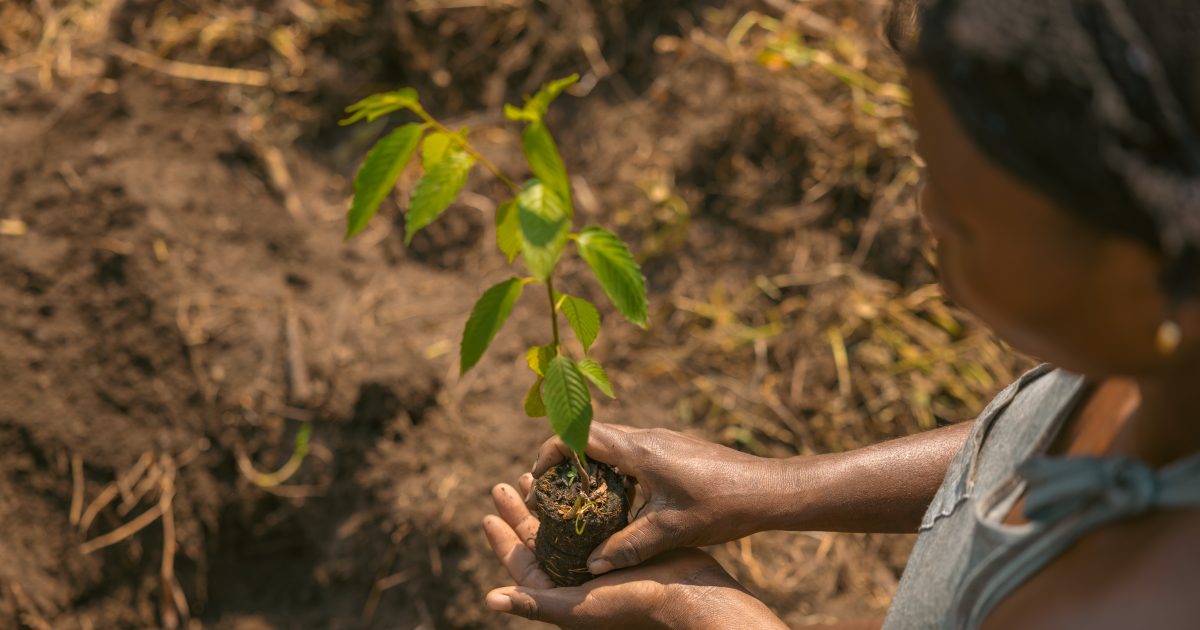
Trees for Global Benefits, run by ECOTRUST in Uganda, is a long-running Plan Vivo agroforestry-carbon scheme in which most revenue flows directly to smallholder farmers through performance-based payments.
Over 20 years the scheme has engaged more than 50,000 smallholders across 34,000 ha, generating roughly 7.5 million tCO2 and about US$8.7 million in performance-based payments.
Implementation detail (cost, timeline, staffing, conditions for success) is not yet available for this practice.
Philanthropic / foundation funding
Indicative funding routes for practices of this type — always check each programme's current calls and eligibility rules.
Do you run this practice? Claim it — verified implementers get a public contact pathway and can propose corrections.
Where this practice's information was retrieved from, and when.
Uganda
Since 1999, TIST has organised smallholder farmers into self-governing 'small groups' across Kenya, Uganda (incl. Soroti), Tanzania and India. Verra's …
Timor-Leste
Since 2011 the Timorese foundation FCOTI has paid over 1,000 smallholder farmers in Manatuto Municipality to plant and maintain agroforestry …
Ethiopia
Plan Vivo- and Gold Standard-certified dryland restoration in Tigray, Ethiopia: landless and smallholder farmers have restored 30,000+ ha since 2016, …
Madagascar
Blue Ventures and Velondriake communities protect 1,200+ hectares of mangroves in southwest Madagascar under Plan Vivo + CCB Gold—the world's …
Open full copilot Grounded in cited practices — always check the sources.