Costa Rica's Gender Parity Electoral Code — 49% Women in Legislature (2009–2026)
Costa Rica
Costa Rica's 2009 Electoral Code mandates 50% women on all candidate lists with strict vertical and horizontal alternation and electoral …
Tunisia · Tunis · See the Tunisia profile · See the Tunis profile
Evidence: Observational / pre–post Top 55% 63/100 · Ask Evidence Copilot about this practice
Tunisia's post-2011 electoral parity laws required alternating male-female candidate lists and, from 2017, equal female list-leadership; the 2018 municipal elections delivered 47% women councillors—the highest in MENA—though gains were largely reversed by President Saied's 2022 e
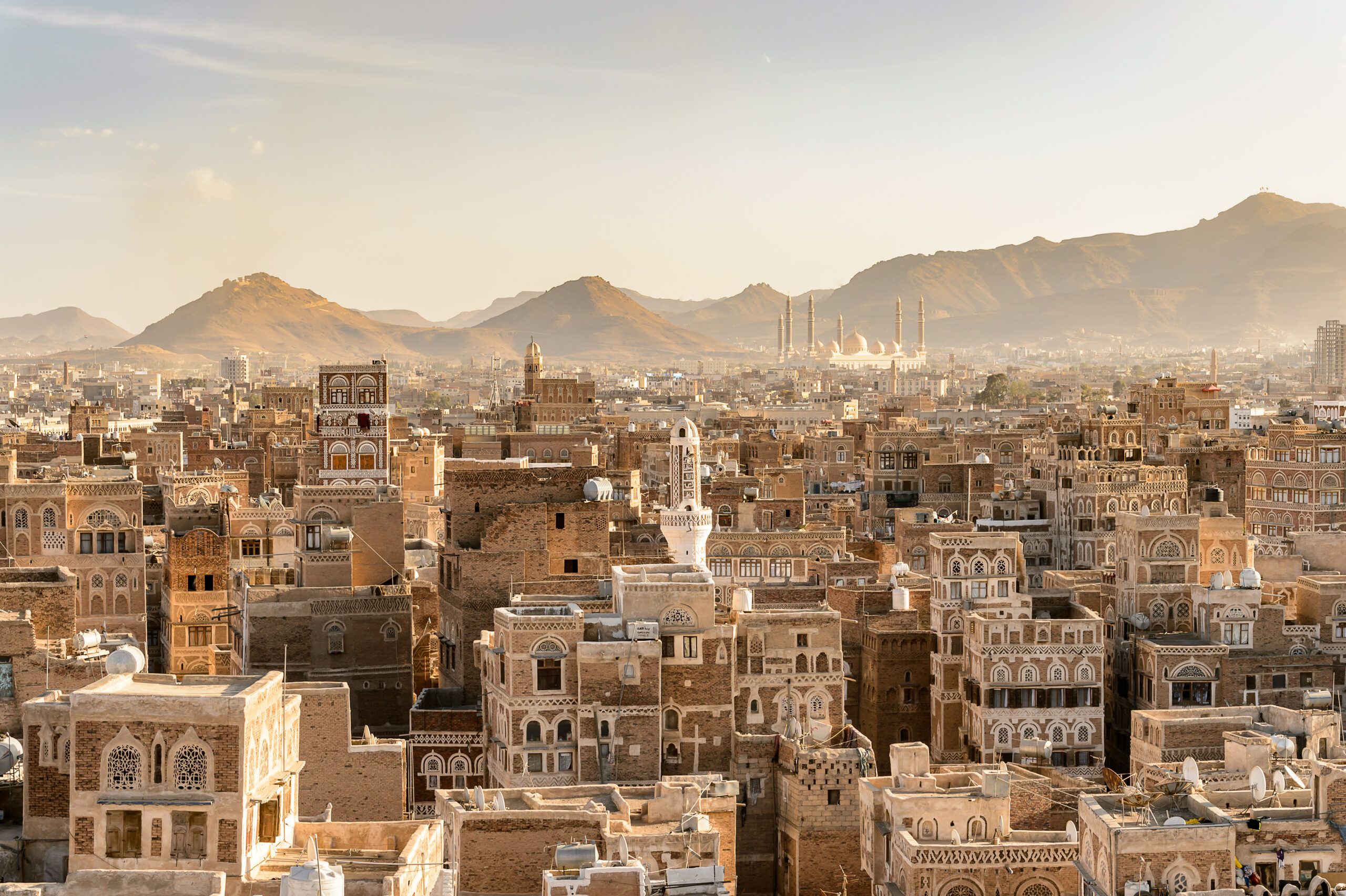
Following the 2011 revolution, Tunisia enacted a sequence of electoral gender-parity measures — the 2011 electoral law's candidate-list alternation ('zipper') requirement and a 2017 amendment adding horizontal parity (requiring at least half of all candidate lists across constituencies to be led by women) — making it, for a decade, the most gender-equal legislature in the Arab world.
The horizontal parity mechanism prevented parties from confining women to unelectable lower list positions. UN Women and the civil society organisation Aswat Nissa (Women's Voices) provided candidate training alongside the legal mandate.
The 2014 elections produced 73 women (33.6%) in the 217-seat Assembly of the Representatives of the People, up from 27% under the prior regime. The May 2018 municipal elections delivered 47% of 7,212 elected local councillors as women — the highest ever recorded in the MENA region, confirmed by UN Women Arab States. A 2023 MDPI Social Sciences study found municipalities with higher women's representation allocated more resources to social services and used more participatory local-governance approaches.
In September 2022, President Kais Saied's new electoral law abolished both parity requirements and replaced proportional-list voting with single-member constituencies; in the December 2022 elections women's representation in the Assembly fell to 15.53% (25 of 161 seats). This shows electoral-parity gains are fragile when resting on secondary legislation rather than constitutional entrenchment.
National / regional programmes
Indicative funding routes for practices of this type — always check each programme's current calls and eligibility rules.
Do you run this practice? Claim it — verified implementers get a public contact pathway and can propose corrections.
Where this practice's information was retrieved from, and when.
Costa Rica
Costa Rica's 2009 Electoral Code mandates 50% women on all candidate lists with strict vertical and horizontal alternation and electoral …
Cameroon
Cameroon's Electoral Code (Loi 2012/001) introduced a 30%-minimum gender requirement on party lists. Women's National Assembly seats more than doubled: …
Timor-Leste
Mandatory 1-in-3 zipper quota on electoral lists raised women's share of Timor-Leste's parliament from under 20% (pre-2006) to 40% in …
Angola
Angola's Law 20/10 (2010) mandates at least 30% gender representation in all directive bodies. Women's share of National Assembly seats …
Open full copilot Grounded in cited practices — always check the sources.