ideiaLab — Maputo's Youth Entrepreneurship Incubator and Business-Support Network
Mozambique
Since 2010, Maputo's ideiaLab has trained 1,000+ entrepreneurs a year and built a 25,700-member community. Its 2019 impact report found …
Nigeria · Abuja · See the Nigeria profile · See the Abuja profile
Evidence: Randomised controlled trial Top 51% 67/100 · Ask Evidence Copilot about this practice
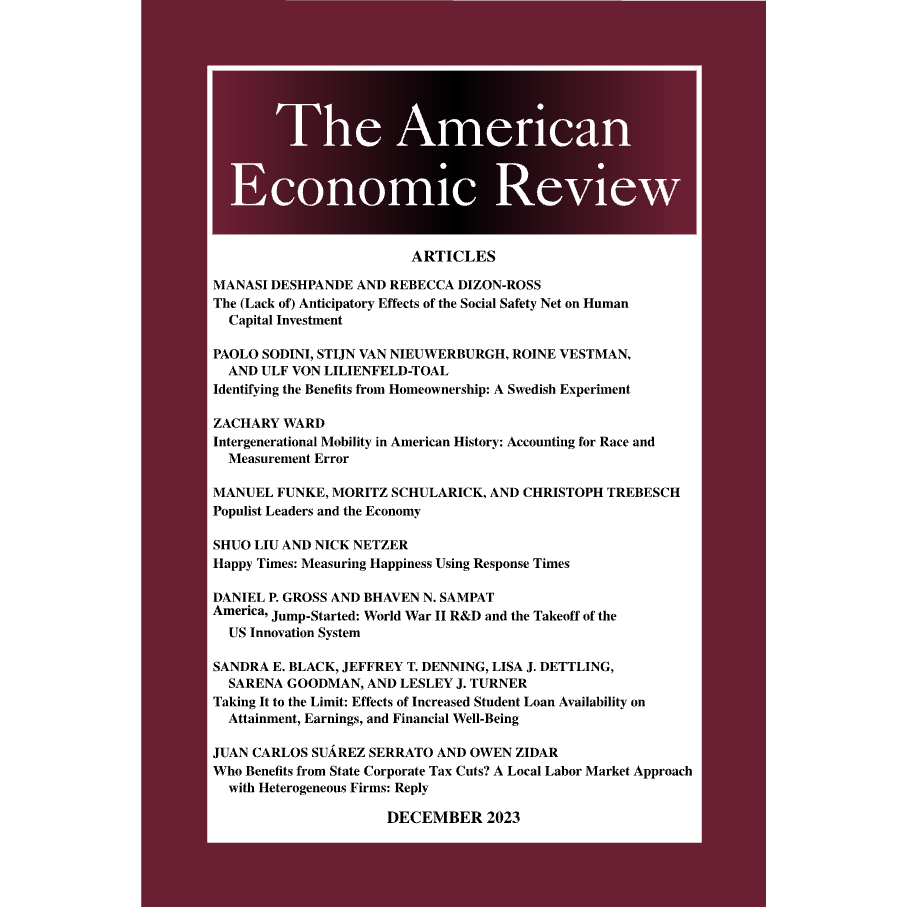
Nigeria's YouWiN! randomly granted ~$34m ($50k each) among matched finalists (2011-15, ~24,000 applicants). A World Bank RCT (McKenzie 2017, AER) found ~7,000 net jobs at ~$8,538/job and +20pp odds of reaching 10+ employees.
Nigeria launched a national business-plan competition in October 2011 (Ministry of Finance, Ministry of Communication Technology and Ministry of Youth Development, with World Bank and DFID support) to identify and support high-growth entrepreneurs, in a country where almost all firms have fewer than ten workers.
Select and fund promising business plans while generating causal evidence of impact, by using a lottery among similarly-scored finalists rather than ranking alone to decide winners.
Almost 24,000 applications were judged; between 2012 and 2015, federal spending exceeded $100 million across more than 3,000 winners, who received grants averaging $50,000; a second cycle was dedicated exclusively to women and produced 1,200 female winners.
Winning firms were substantially more likely to have started operating and survived, and were over 20 percentage points more likely to employ 10 or more workers than non-winners. Follow-on reporting put total net job creation at roughly 7,000 jobs, at an estimated cost of about $8,538 per job - well below the $11,000-$80,000 typical of comparable job-creation programmes.
The scheme was not sustained at its original scale after 2015 and functioned as one large cohort rather than an ongoing pipeline; roughly half of similarly-qualified finalists received nothing, drawing domestic criticism over fairness and disbursement delays. Kenya has since launched a similar competition, though no independent evaluation of it exists yet.
National / regional programmes
Indicative funding routes for practices of this type — always check each programme's current calls and eligibility rules.
Do you run this practice? Claim it — verified implementers get a public contact pathway and can propose corrections.
Where this practice's information was retrieved from, and when.
Mozambique
Since 2010, Maputo's ideiaLab has trained 1,000+ entrepreneurs a year and built a 25,700-member community. Its 2019 impact report found …
Nigeria
Since 2015 the Tony Elumelu Foundation has given $5,000 seed capital plus mentoring to over 24,000 entrepreneurs across all 54 …
Malawi
Malawi's first tech hub, mHub, delivers the UNDP-backed Growth Accelerator Challenge: six funding rounds since 2018 have co-financed 62 enterprises …
Colombia
A public innovation agency founded in 2009 by the City of Medellín, EPM and UNE to shift the city from …
Open full copilot Grounded in cited practices — always check the sources.