Since 1992, Universite Laval and the Canadian peat industry have mandated the Moss Layer Transfer Technique for post-extraction bogs, adopted since in …
Québec City, Canada
Good practice
Evidence: Descriptive / self-reported
Top 14%60/100
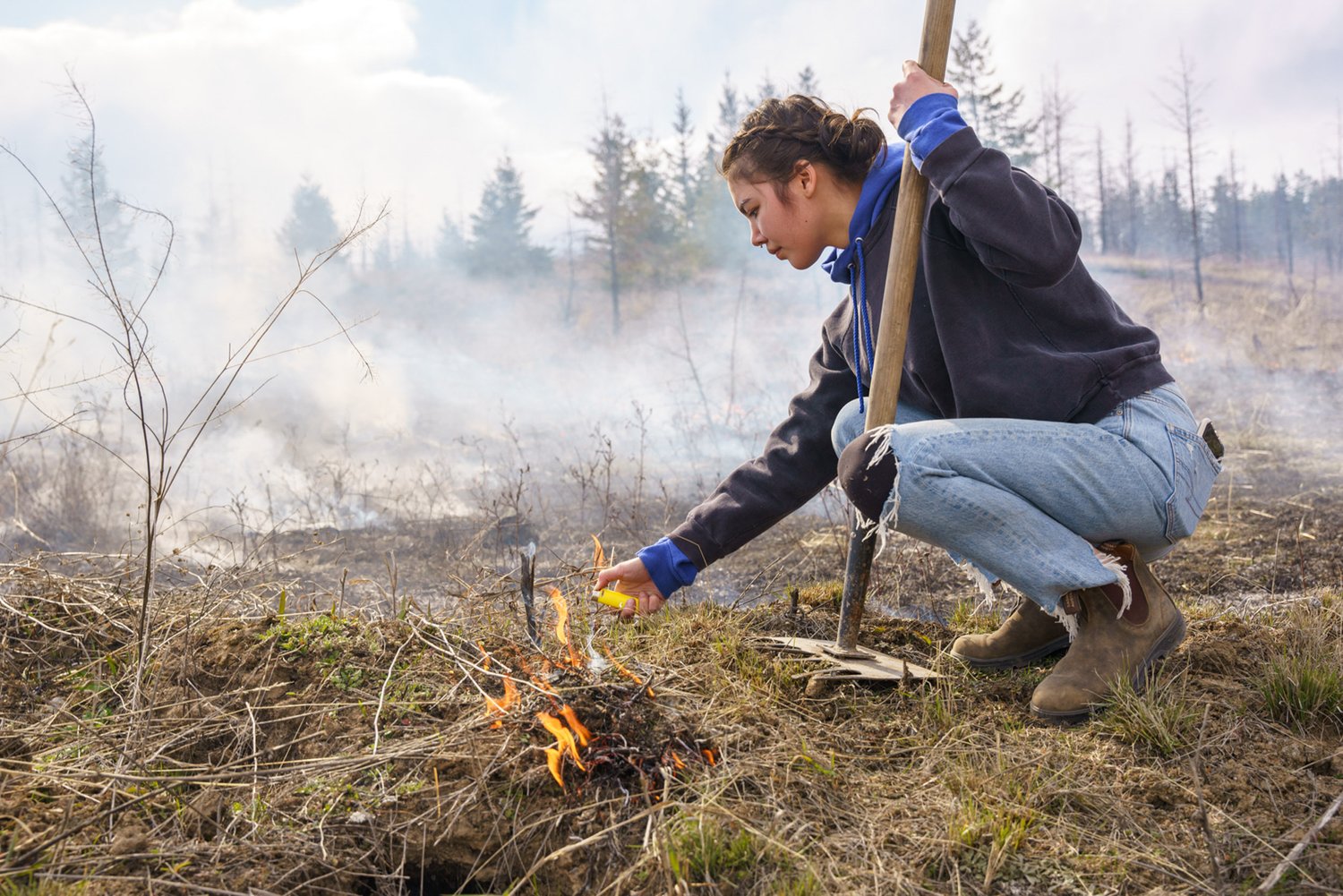
Since 2019, the Yunesit'in and Xeni Gwet'in First Nations have revived spring and fall cultural burning across Tsilhqot'in Territory, British Columbia, training …
Riske Creek, Canada
Good practice
Evidence: Observational / pre–post
Top 14%60/100
Parks Canada's 44 wildlife crossings along Banff's Trans-Canada Highway recorded 200,000+ animal crossings since 1996, cut collisions ~80% (96% for elk/deer), and …
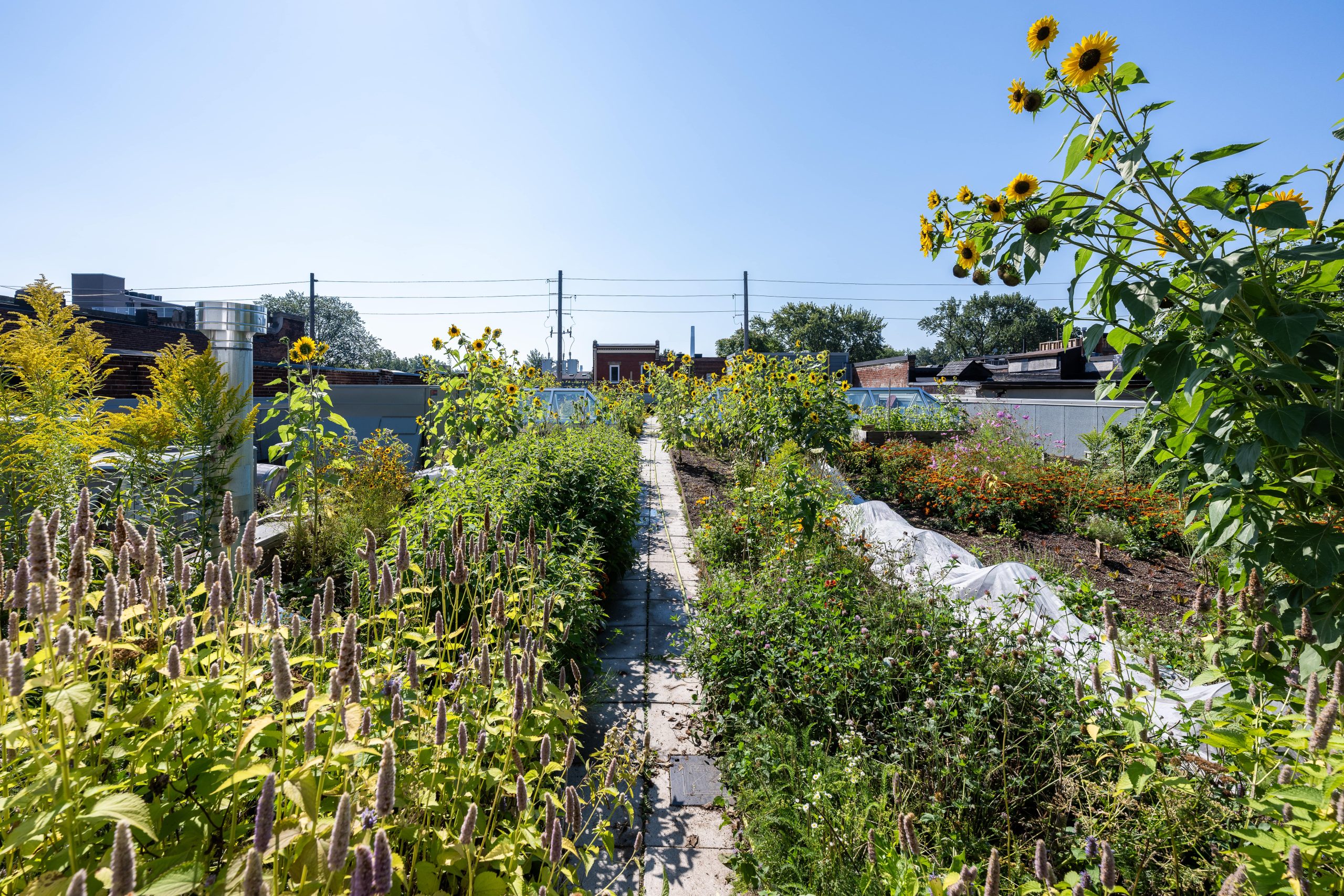
Montréal's borough-run, resident-led green-alley programme (since 1995) supports more biodiversity than grey alleys, but a 53-alley study finds only modest, highly variable …
From 2006 to 2009 Blanshard Municipality, Manitoba piloted ALUS: annual payments to landowners for wetlands, natural, riparian and sensitive land. About 21,000 …
Oak River, Canada
Good practice
Evidence: Observational / pre–post
Top 89%27/100
Parks Canada and the Haida Nation ran a five-year, C$2.5M rat-eradication programme (2009-2013) on Gwaii Haanas islands, aiding seabird recovery — though …
Daajing Giids, Canada
Good practice
Evidence: Observational / pre–post
Top 96%20/100
Since 2017, Québec has required developers who destroy wetlands to pay into a provincial compensation fund. Independent legal analysis found the fund …