India's 73rd Constitutional Amendment (1992) reserved one-third of seats in rural Panchayati Raj institutions for women. Over 1.4 million women now hold …
Cameroon's Electoral Code (Loi 2012/001) introduced a 30%-minimum gender requirement on party lists. Women's National Assembly seats more than doubled: from 13.8% …
Zambia's GEWEL programme (World Bank/GoZ) delivers livelihood packages to poor rural women and school stipends to vulnerable girls. By end-2024: 139,351 women …
Lusaka, Zambia
Good practice
Evidence: Observational / pre–post
Top 9%96/100
FRELIMO's voluntary 40% women candidate quota with alternating zebra lists has lifted women's share of Mozambique's parliament from 26% (1994) to 43.2% …
Maputo, Mozambique
Good practice
Evidence: Observational / pre–post
Top 9%96/100
Singapore's 2022 White Paper on Women's Development, grounded in a 2021 national consultation of 6,000+ participants, sets 25 cross-ministry actions covering workplace …
Singapore, Singapore
Good practice
Evidence: Observational / pre–post
Top 9%96/100
Ecuador's 2020 electoral reform mandated 50/50 alternating gender parity in all candidate lists. Women in the National Assembly rose from ~30% pre-reform …
Quito, Ecuador
Good practice
Evidence: Observational / pre–post
Top 9%96/100
Pakistan’s BISP pays quarterly grants to >6.1 million female household heads across 149 districts. Oxford Policy Management’s evaluation (2010–2017) found poverty fell …
Islamabad, Pakistan
Good practice
Evidence: Quasi-experimental
Top 9%96/100
South Africa's Thuthuzela Care Centres (TCCs) co-locate police, medical, legal and psychosocial services for sexual-violence survivors. Since 2006, 66+ centres serve 44,000+ …
Bolivia's Law 026/2010 mandates 50/50 parity and rotation in all electoral candidate lists. Women's share in the Plurinational Assembly rose from 14% …
Mexico's 2019 "Paridad en Todo" constitutional reform extended mandatory 50/50 parity from legislature lists to all public institutions. By 2024: women held …
Lei 11.340/2006 created specialist courts, 48-hour emergency protective orders, and a multi-agency GBV network. IPEA (TD 2048, 2015) found a 10% reduction …
NZD 2 billion pay equity settlement for 55,000 predominantly-female care and support workers, enacted June 2017. Wages rose 15-50% (minimum-wage workers: +21%). …
Law 21.216 (2020) mandated parity electoral lists and a results-correction mechanism for Chile's Constitutional Convention, producing the world's first gender-balanced constitutional body: …
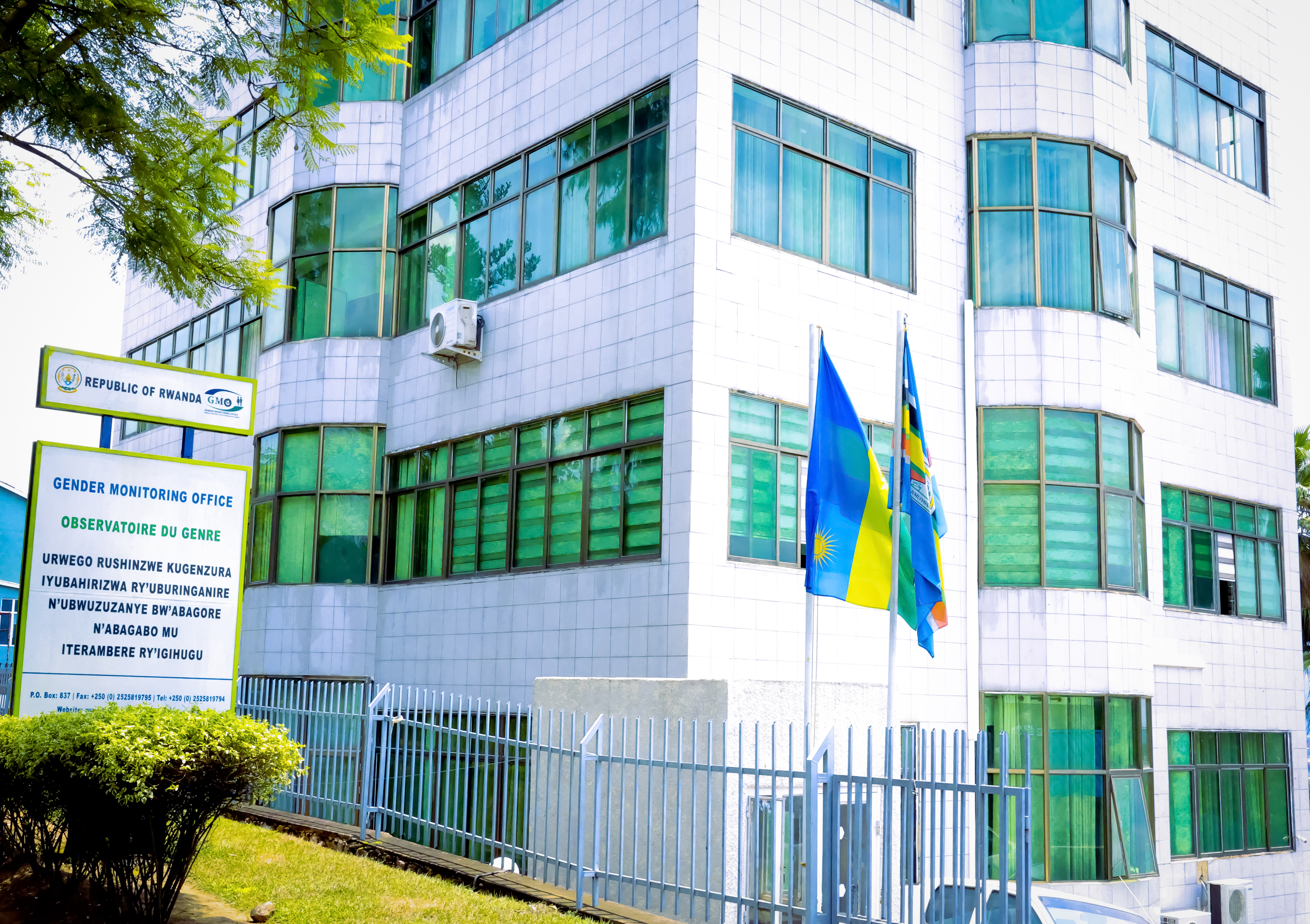
Rwanda's 2003 Constitution (Art. 76) mandates ≥30% women in all elected positions; the Gender Monitoring Office (Law 51/2007) enforces compliance across public, …
Kigali, Rwanda
Good practice
Evidence: Observational / pre–post
Top 9%96/100
Europe's first therapeutic treatment centre for IPV perpetrators (Oslo, 1987), ATV now operates 15 offices in Norway. An NKVTS outcome study documents …
Oslo, Norway
Good practice
Evidence: Observational / pre–post
Top 9%96/100