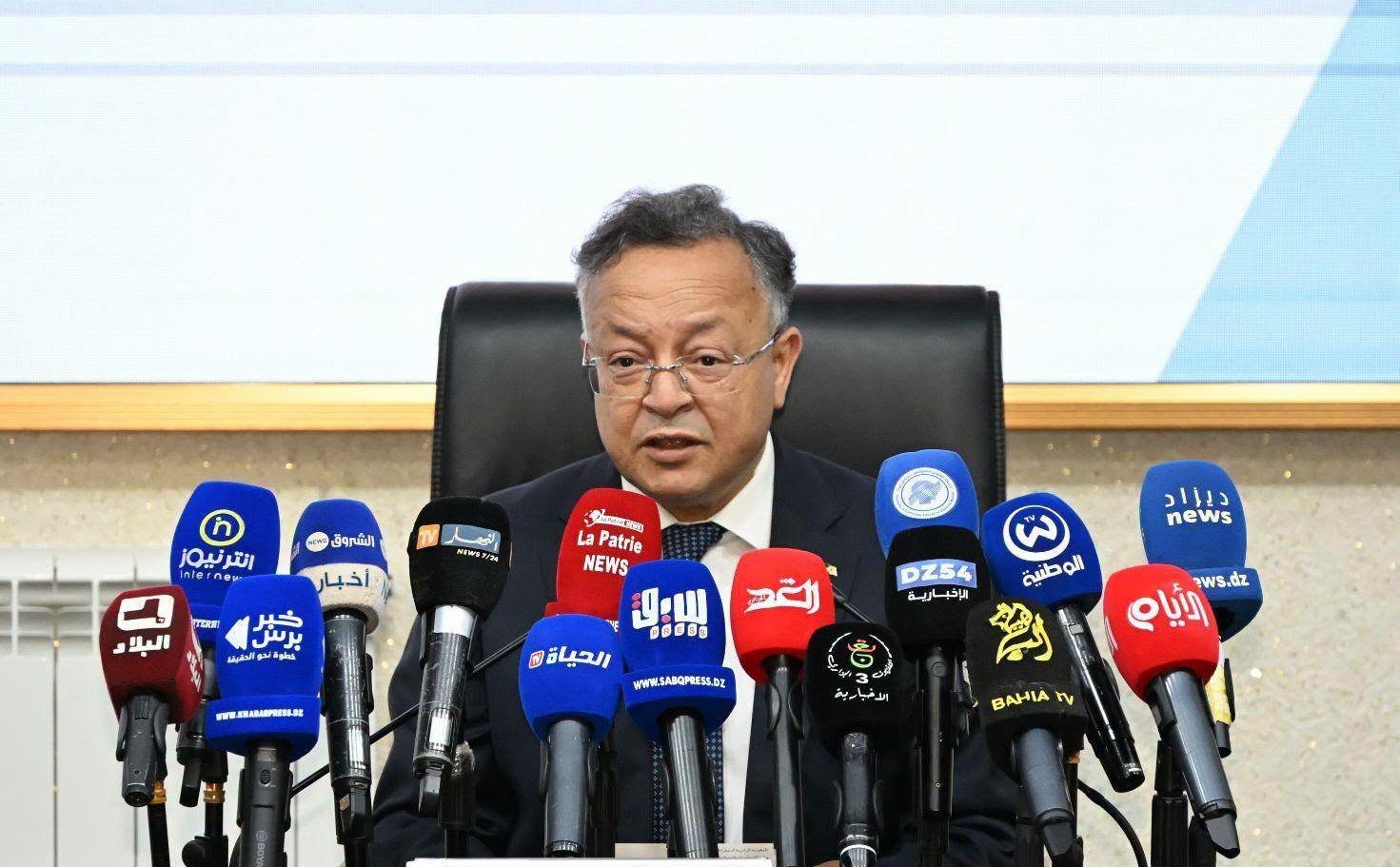
Algeria's Ministry of Higher Education used an AI matching algorithm for the first time in 2026 to place 391,018 of 403,119 new baccalaureate holders (97%) into university programmes, with 84.71% receiving one of their top three choices via the orientation-esi.dz platform.
97% 391,018 of 403,119
Baccalaureate holders placed among expressed choices (July 2026)
84.71%
Placed in one of top 3 preferences (July 2026)
94.46%
Placed in one of top 5 preferences (July 2026)
96.97%
Placed in one of top 6 preferences (July 2026)
227,590
Students directed to science & technology tracks
163,428
Students directed to humanities & social sciences
2,040
Students placed into new AI/cybersecurity/quantum-computing programmes
Details
Maturity
Pilot
Promoter
Ministry of Higher Education and Scientific Research (Algeria)
Period
2026
Keywords
higher education, university admissions, AI matching algorithm, public administration
Context
Algeria's public university system uses a centralized post-baccalaureate orientation process that matches each candidate's exam score and stated preferences to available places. For the July 2026 admission cycle, the Ministry of Higher Education integrated an AI-based matching algorithm into this process for the first time.
Objectives
Weigh student preferences, academic performance and each institution's intake capacity to reduce costly mid-cycle programme transfers and better align graduate output with labour-market needs.
Activities
Minister of Higher Education Kamel Baddari's ministry deployed the matching algorithm across the July 2026 cycle, publishing results through the orientation-esi.dz platform; 2,040 students were placed into newly created programmes in AI, cybersecurity and quantum computing; a re-registration window (31 July-2 August 2026) was offered to unplaced students.
Results
Of 403,119 registered baccalaureate holders, 391,018 (97%) received a place among their expressed choices: 84.71% in one of their top three preferences, 94.46% in one of their top five, and 96.97% in one of their top six. 227,590 students were directed to science and technology tracks versus 163,428 to humanities and social sciences.
Conclusions
The results are administrative self-reports from a single cycle; no independent bias testing across regions or gender has been published, and no like-for-like comparison to the prior manual/rules-based process exists, so the figures show reach and stated efficiency rather than a demonstrated improvement in placement quality.
Implementation
Indicative cost
Medium (€50k–€500k) — A national administrative IT system embedded in an existing centralized placement process; no budget figure has been published.
Time to results
Short (< 1 year) — Deployed for the first time in the July 2026 admission cycle, with a 31 July-2 August 2026 re-registration window for the 3% left unplaced.
Staffing & skills
Ministry of Higher Education and Scientific Research (national coordination), orientation-esi.dz platform operators/technical team
Conditions for success
Centralized national baccalaureate and placement data already in place to feed the algorithm
Publishing results transparently via a dedicated national platform
A re-registration window for unplaced students as a safety valve
Common failure modes
No independent audit of the algorithm's logic or bias testing across regions/gender
No like-for-like comparison against the prior manual/rules-based process
A single admission cycle only — year-on-year consistency not yet demonstrated
Commonly funded by
National / regional programmes
Indicative funding routes for practices of this type — always check each programme's current calls and eligibility rules.
Do you run this practice?
Claim it —
verified implementers get a public contact pathway and can propose corrections.
Data sources
Where this practice's information was retrieved from, and when.
Algeria's Ministry of Higher Education deployed a nationwide AI matching algorithm placing 340,901 baccalaureate graduates into university programmes in 2025 …