Affelnet-Lycée — France's National School-Placement Algorithm and Its 2025 Transparency Battle
France
Affelnet-Lycée has algorithmically matched hundreds of thousands of French students to secondary schools since 2008. In May 2025 the Paris …
Japan · Toda · See the Japan profile
Evidence: Observational / pre–post Top 24% 60/100 · Ask Evidence Copilot about this practice
Toda City, Japan fused attendance, health and counselling data across 18 public schools into an AI model flagging ~1,193 of 12,000 students as truancy-risk. 90% of schools called it reliable; the city paired it with opt-outs and anti-discrimination rules.
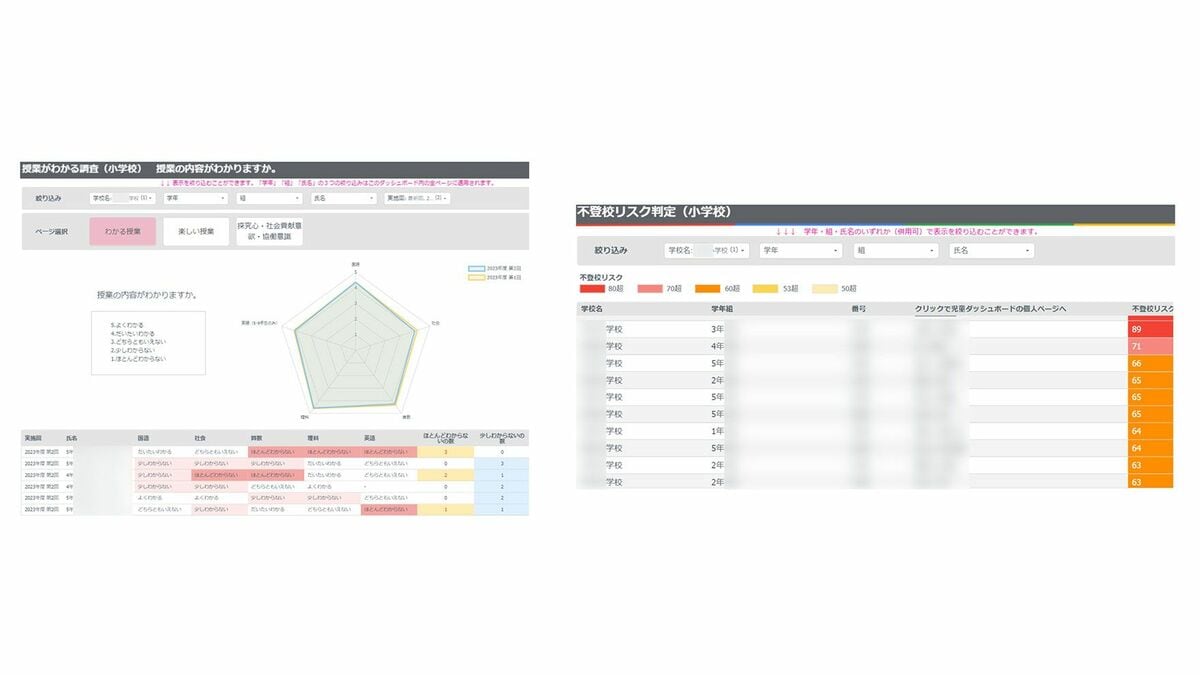
Toda City Board of Education, in Saitama Prefecture, Japan, ran a pilot under Japan's Children and Families Agency 'Children Data Collaboration Demonstration Project' across 18 public elementary and junior-high schools (roughly 12,000 students), building an AI risk-scoring model with Uchida Yoko, PKSHA Technology and its subsidiary Argonaut.
The pilot aimed to combine attendance and tardiness records, health-room visit logs, academic achievement survey results, school-life questionnaires and counselling records into a non-attendance ('futoko') risk score per student, restricted to principals and administrators, to enable earlier outreach to at-risk students.
The city published guidelines banning discriminatory use of the risk scores, offered families an opt-out, and restricted data access to school leadership; teachers used the risk flags to prioritise students for direct outreach and support.
The model flagged 1,193 of roughly 12,000 students as elevated-risk; teachers used the flags to prioritise 265 of them for direct outreach. In a post-pilot survey, 90% of participating schools rated the predictions as highly reliable.
An independent education economist (Keio University's Makiko Nakamuro) publicly cautioned against over-reliance on the algorithm, stressing it should support rather than replace human judgement; the pilot ran for one school year across 18 schools with no confirmed citywide or national rollout yet documented.
National / regional programmes
Indicative funding routes for practices of this type — always check each programme's current calls and eligibility rules.
Do you run this practice? Claim it — verified implementers get a public contact pathway and can propose corrections.
Where this practice's information was retrieved from, and when.
France
Affelnet-Lycée has algorithmically matched hundreds of thousands of French students to secondary schools since 2008. In May 2025 the Paris …
Malaysia
Malaysia's Ministry of Education (KPM) and UNICEF deploy SiPKPM, an AI early-warning system tracking 5 million learners on 7 risk …
Peru
A pre-registered World Bank RCT of an Anthropic Claude-powered AI career coach and math tutor across up to 110 Lima …
Kenya
Announced 19 May 2026 alongside Pakistan, Brazil and India, this Google.org-funded, UNICEF-implemented partnership works with Kenya's national Government on three …
Open full copilot Grounded in cited practices — always check the sources.