Fiji Forest Landscape Restoration (FP306) — A $52.5M Ridge-to-Reef Programme Signed with the Green Climate Fund
Fiji
In July 2026, Fiji and the FAO signed a $52.5M, seven-year Green Climate Fund project to restore over 80,000 ha …
Indonesia · Pangkalan Kerinci · See the Indonesia profile
Top 41% 47/100 · Ask Evidence Copilot about this practice
APRIL's Fire Free Village Programme pays Riau villages IDR 50–100 million for staying fire-free; a peer-reviewed 2019 study found programme villages had 40% fewer fires than comparison villages in the severe 2015 El Niño season, mainly via compliance pressure.
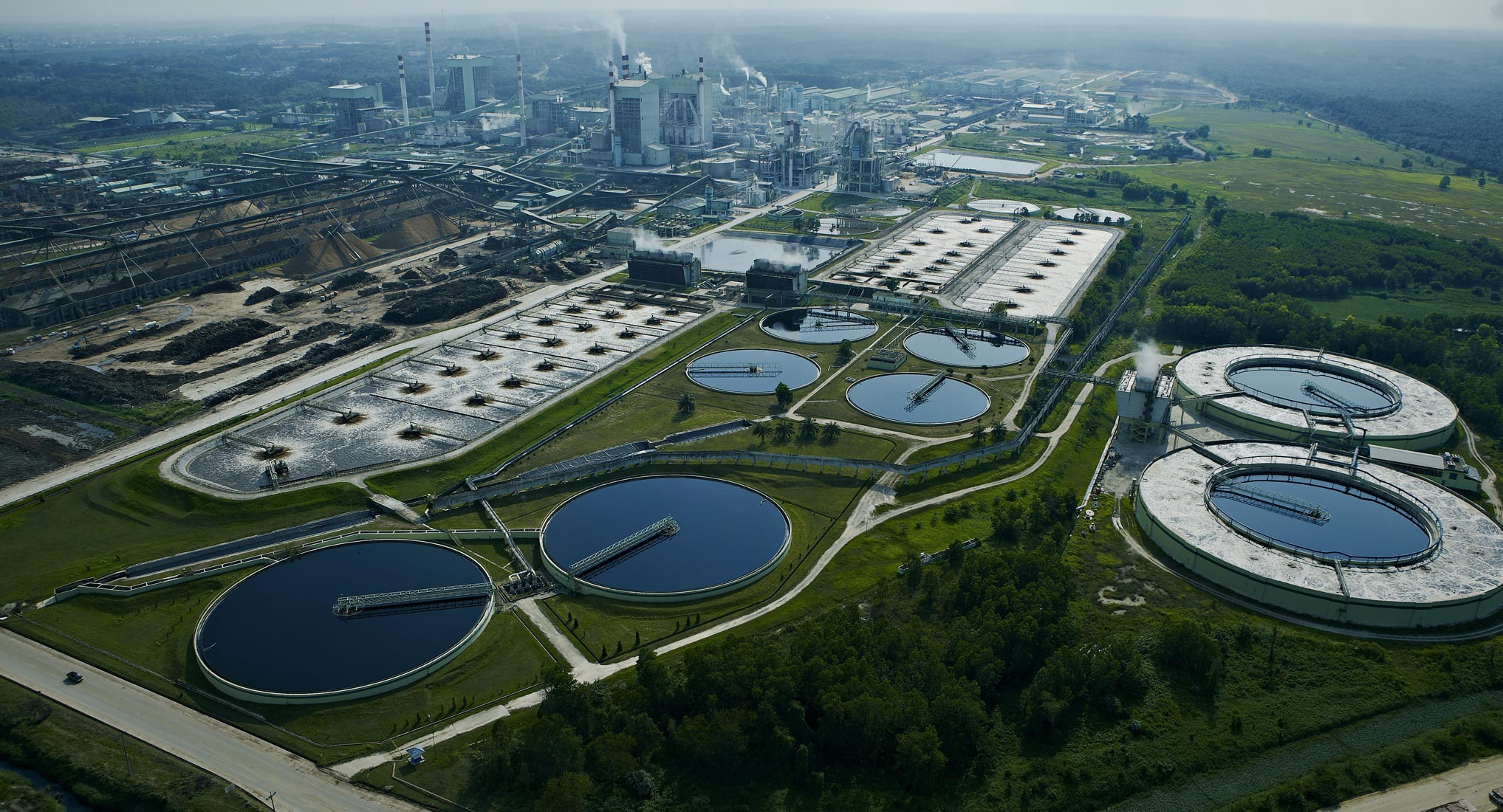
Indonesia's Riau province, on the island of Sumatra, is a global haze hotspot: fire used to clear dry peatland releases large carbon emissions and smoke that regularly blankets Sumatra, Singapore and Malaysia. Pulp and paper producer APRIL piloted the Fire Free Village Programme (FFVP) in 2014 and formally launched it in mid-2015 with local communities, police, the military and Riau's disaster mitigation agency.
FFVP rewards villages that avoid burning within their territory with community infrastructure funding: a full "No Burn Village" reward of IDR 100 million (roughly US$7,000) for staying entirely fire-free, and a partial IDR 50 million reward for villages that keep burning under one hectare, alongside fire-aware community facilitators and firefighting equipment. By 2023 the programme covered 42 villages across five Riau districts and over 90,000ha; the wider Fire Free Alliance that APRIL co-founded with Asian Agri, Musim Mas, Wilmar, IDH and PM.Haze, later joined by Sime Darby and IOI Group, extended similar village-reward schemes to over 200 villages across Indonesia, with academic partners from the University of Riau (UNRI) and the University of Lambung Mangkurat (UNLAM).
An independent peer-reviewed evaluation (Watts, Tacconi, Hapsari, Irawan, Sloan & Widiastomo, "Incentivizing compliance: Evaluating the effectiveness of targeted village incentives for reducing burning in Indonesia," Forest Policy and Economics, 2019) compared six FFVP villages to six non-participating villages using satellite hotspot and burn-scar data through the severe 2015 El Niño fire season: FFVP villages saw roughly 40% fewer fires while comparison villages saw about 23% more, and burning in FFVP villages fell close to zero in subsequent years.
The same peer-reviewed study concluded the incentive worked mainly by helping villages comply with pre-existing anti-burning regulations under threat of enforcement, rather than by pure voluntary behaviour change, and recommended pairing rewards with agricultural support for smallholders who otherwise lack affordable non-fire land-clearing alternatives. This entry scores fire resilience and governance on that independent evidence rather than on higher self-reported reduction figures cited elsewhere by programme partners (e.g. a partner NGO's cited 97% figure).
Read the full analysis: https://www.aprilasia.com/en/our-media/articles/fire-free-alliance-addresses-forest-fire-and-haze-in-over-200-indonesian-villages-welcomes-new-members-sime-darby-and-ioi-group
Implementation detail (cost, timeline, staffing, conditions for success) is not yet available for this practice.
Do you run this practice? Claim it — verified implementers get a public contact pathway and can propose corrections.
Where this practice's information was retrieved from, and when.
Fiji
In July 2026, Fiji and the FAO signed a $52.5M, seven-year Green Climate Fund project to restore over 80,000 ha …
Brazil
Since 2020, Brazil's CONSERV programme has paid Amazon/Cerrado landowners ~$50-79/hectare twice yearly to conserve legally clearable forest, protecting over 30,000 …
Iceland
Since 2007, Iceland's Hekluskógar project has enlisted 210+ landowners to re-establish native birch woodland around the Hekla volcano, planting 2.3M+ …
Ireland
Ireland's statutory agri-environment PES under the 2023-2027 EU CAP: EUR 150M/yr for 54,000+ farm families managing 1.1M ha for biodiversity, …
Open full copilot Grounded in cited practices — always check the sources.