Forum Virium Helsinki — agile piloting in urban living labs
Finland
Helsinki's city-owned innovation company co-creates smart-city, mobility and data solutions through agile pilots in real neighbourhoods (Smart Kalasatama, Jätkäsaari Mobility …
Austria · Vienna · See the Austria profile · See the Vienna profile
Top 83% 52/100 · Ask Evidence Copilot about this practice
One of Europe's largest urban-development projects: ~12,000 residents by 2025 (25,000 planned), a 40/40/20 walk-cycle/transit/car target and a 2024 self-evaluation; independent outcome data remain limited.
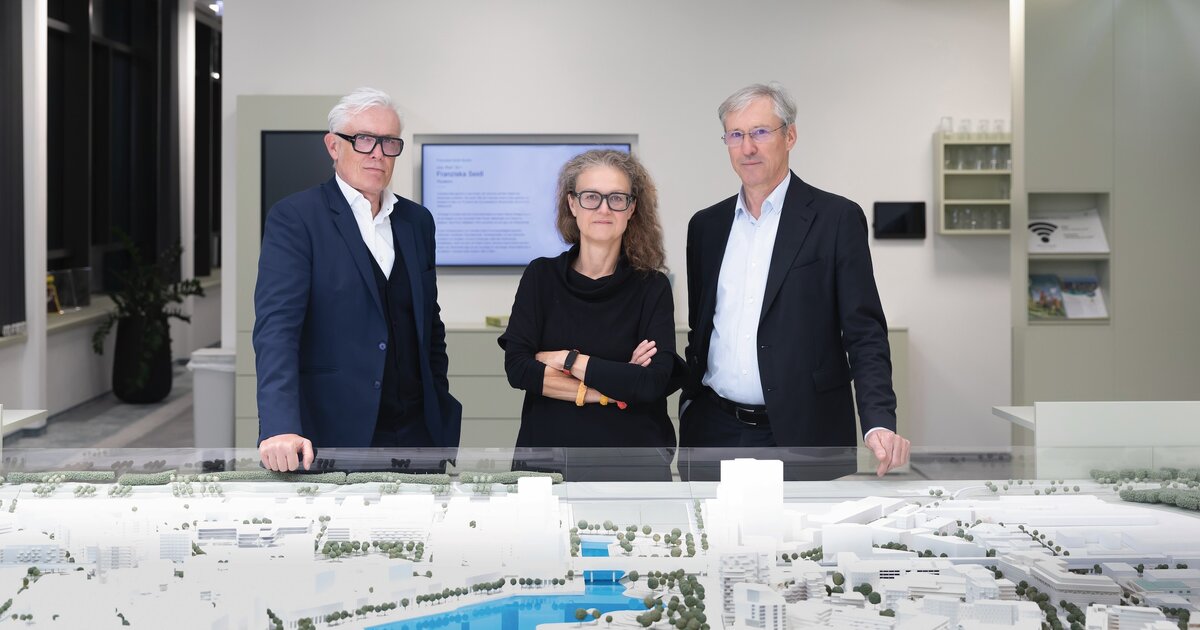
Aspern Seestadt is a new district on a former airfield in Vienna's 22nd district, developed by Wien 3420 aspern Development AG. Plans foresee about 11,500 homes, space for 20,000+ jobs and college places, and at least 25,000 residents in the 2030s. By early 2025 about 12,000 people lived there and about 5,000 worked there, across three finished quarters (Pionierquartier, Seeparkquartier, Am Seebogen), with Seecarré next.
Mobility is the district's experimental core: a target split of 40% walking/cycling, 40% public transport and 20% car trips, pursued through a motivation-led approach with restricted parking, garage fees that fund alternatives to car ownership and subsidised bike rental. The developer reports 242 cars per 1,000 residents and says its construction logistics avoided about 7.5 million truck-km (roughly 8,400 t CO2).
In 2024 Wien 3420 completed 'EVA', a two-year evaluation with Urban Innovation Vienna involving 100+ experts, which reported that 93% of residents were satisfied or very satisfied. A first comprehensive KPI report was scheduled for 2025. The aspern.mobil LAB, linked to TU Wien, published a 2026 study (17 resident interviews, six experts, two workshops plus mobility-survey data) on mobility needs of older residents. Academic resident-survey theses report high walking and cycling shares but long commutes, since few residents work in Seestadt.
Caveat: most headline figures are developer-reported; a measured, independently verified modal split was not found, so the evidence is treated as promising rather than conclusive.
Read the full analysis: https://www.aspern-seestadt.at/en/blog/post/from-evaluation-to-the-future-of-seestadt
Implementation detail (cost, timeline, staffing, conditions for success) is not yet available for this practice.
Do you run this practice? Claim it — verified implementers get a public contact pathway and can propose corrections.
Where this practice's information was retrieved from, and when.
Finland
Helsinki's city-owned innovation company co-creates smart-city, mobility and data solutions through agile pilots in real neighbourhoods (Smart Kalasatama, Jätkäsaari Mobility …
Finland
Tampere is building Hiedanranta, a 100-hectare district planned for 25,000 residents, as an open testbed for circular-economy, energy and smart-city …
Taiwan
Taipei's TPMO operates a 'City as Living Lab' model, collecting 295 PoC proposals (2016–2023) with 49.5% completed, engaging 500+ ICT …
Italy
City of Turin laboratory (Torino Living Lab from 2016, Torino City Lab from 2018) offering simplified conditions for companies to …
Open full copilot Grounded in cited practices — always check the sources.