LIFE Blue Natura — Andalusia's Posidonia Blue-Carbon Standard (Spain)
Spain
EU LIFE-funded project mapped carbon stocks across 13,000+ ha of Andalusian Posidonia oceanica meadows and salt marshes (13,085 ktCO2 stored), …
Mauritania · Iwik · See the Mauritania profile
Evidence: Observational / pre–post Top 27% 53/100 · Ask Evidence Copilot about this practice
Mauritania's BACoMaB endowment, seeded in 2009 by the government, KfW, AFD, FFEM and MAVA, funds Banc d'Arguin, Diawling and the Monk Seal Reserve; in 2024 it granted €840,000, financed 528 anti-poaching sea patrols and recorded 44 new monk seal pups.
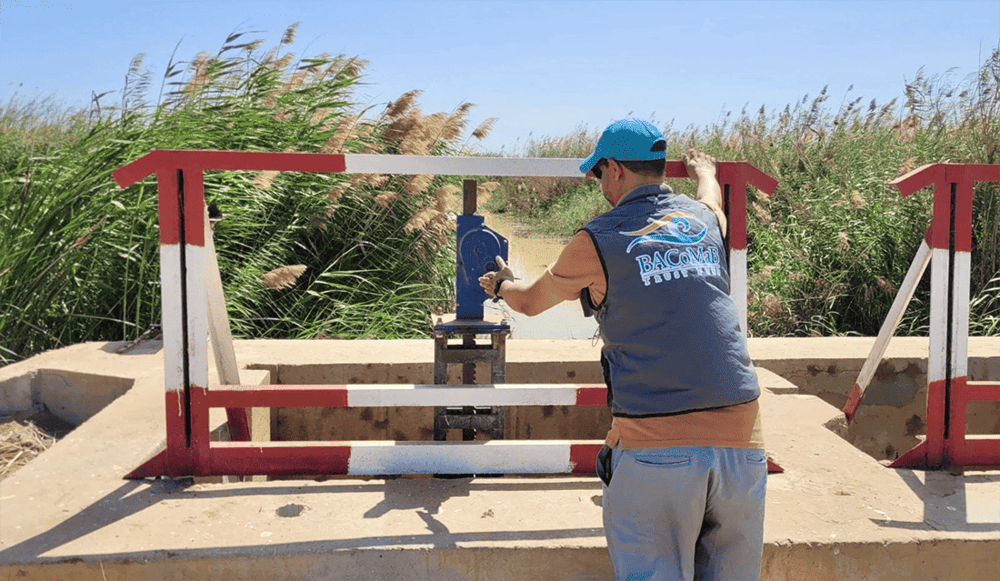
The BACoMaB Trust Fund is a perpetual conservation endowment established in 2009 to secure long-term financing for Mauritania's coastal and marine protected areas, chiefly Banc d'Arguin National Park, Diawling National Park and the Cap Blanc / Monk Seal Reserve. It was capitalised by the Mauritanian government (using revenue mobilised from the EU-Mauritania fisheries agreement), Germany's KfW development bank, the French Development Agency (AFD), the French Facility for Global Environment (FFEM) and the MAVA Foundation, and is structured as a charitable foundation under English law with a public-service mandate recognised by the Mauritanian state.
The fund spends only investment income, preserving its capital in perpetuity; its original capitalisation target was €35 million by 2016, funding protected-area management and anti-poaching enforcement across its three sites.
In 2024, BACoMaB disbursed €840,000 in grants across its three sites — €530,000 to PNBA (including €150,000 toward a new surveillance vessel), €190,000 to Diawling National Park, and €120,000 to the Monk Seal Conservation Programme. Governance runs through an independent board overseeing the three protected-area sites, with results published annually. The fund also co-financed a blue-carbon valorisation initiative with the BRIDGE Project Innovation Fund, formally launched in September 2024.
2024 funding supported 528 maritime surveillance patrols totalling 2,571 hours, which intercepted 259 canoes and five larger vessels fishing illegally inside the park, and underpinned a 2024 monk seal breeding season that produced 44 recorded pups.
BACoMaB funds protected-area management and anti-poaching enforcement rather than paying individual resource users directly for ecosystem services, so it functions more as a conservation trust fund than a classic PES transaction; its long operating history since 2009 and published annual metrics nonetheless make it one of the more transparently evidenced marine-conservation financing mechanisms in West Africa.
National / regional programmes Philanthropic / foundation funding
Indicative funding routes for practices of this type — always check each programme's current calls and eligibility rules.
Do you run this practice? Claim it — verified implementers get a public contact pathway and can propose corrections.
Where this practice's information was retrieved from, and when.
Spain
EU LIFE-funded project mapped carbon stocks across 13,000+ ha of Andalusian Posidonia oceanica meadows and salt marshes (13,085 ktCO2 stored), …
Palau
Palau's statutory $100 Pristine Paradise Environmental Fee, paid by every visitor since 2018, has raised over $13m (2012-2019) and about …
Kiribati
Kiribati and Conservation International built a trust fund to pay the government a 'reverse fishing licence' fee to forgo tuna …
Pakistan
World's largest mangrove restoration: 350,000 ha of Indus Delta, protecting 102,000 ha and restoring 225,000 ha. VCS + CCB certified; …
Open full copilot Grounded in cited practices — always check the sources.