Shack Dwellers Federation of Namibia — Community-Led Savings and In-Situ Upgrading
Namibia
Since the early 1990s, Namibia's shack-dweller savings groups have secured land tenure for 3,200 households and self-built 1,350 homes at …
Guatemala · Mixco · See the Guatemala profile
Evidence: Observational / pre–post Top 27% 76/100 · Ask Evidence Copilot about this practice
A $2M USAID/OFDA-funded pilot combining WASH, drainage and evacuation-route works cut disaster risk in two high-risk Mixco settlements, then was replicated by the municipal government in 15 further communities.
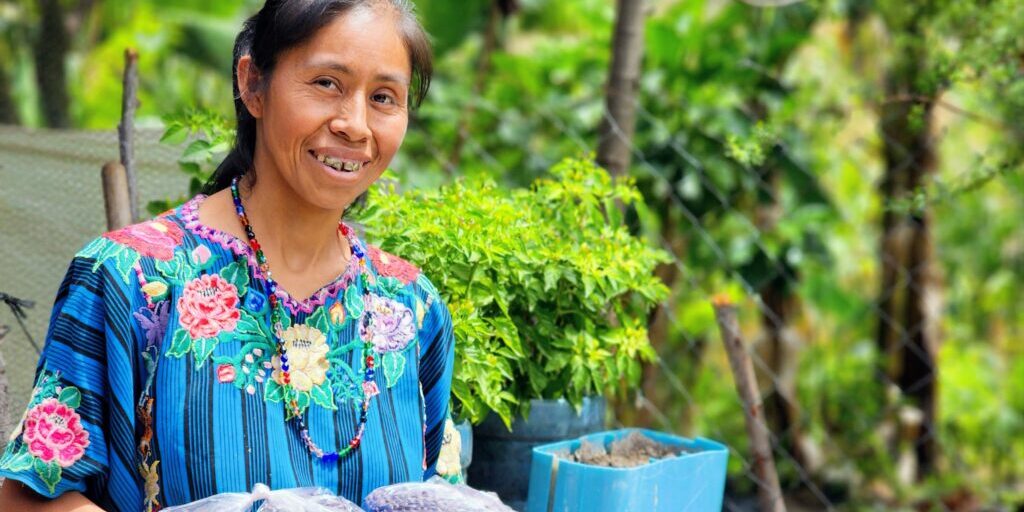
Barrio Mío is a neighbourhood-scale disaster-risk-reduction and upgrading project run by PCI (now Global Communities) with the Municipality of Mixco, in the Guatemala City metropolitan area, under a $2 million cooperative agreement with USAID's Office of U.S. Foreign Disaster Assistance (OFDA). It combines WASH infrastructure, drainage, retaining walls, evacuation routes and housing reinforcement in informal settlements exposed to landslide and flood risk.
The project follows an explicit 'pilot, test, improve, replicate' methodology aimed at reducing disaster risk in high-risk informal settlements and enabling government-led replication of successful interventions.
The project was piloted in two informal neighbourhoods of Mixco between 2012 and 2015, directly reaching more than 3,600 households (about 18,500 people) with WASH, drainage, retaining-wall, evacuation-route and housing-reinforcement works.
The Municipality of Mixco subsequently replicated the model in 15 further communities using its own resources, and the approach informed wider national-level scale-up discussions, corroborated by Guatemala's national disaster-coordination agency CONRED and independent press coverage in Prensa Libre.
Available sources verify reach (households benefited) and replication (15 additional communities) but do not provide quantified before/after risk-reduction outcomes such as flood incidents avoided or measured vulnerability reduction — the evidence base is strong on scale and government uptake, thinner on measured impact.
Do you run this practice? Claim it — verified implementers get a public contact pathway and can propose corrections.
Where this practice's information was retrieved from, and when.
Namibia
Since the early 1990s, Namibia's shack-dweller savings groups have secured land tenure for 3,200 households and self-built 1,350 homes at …
South Africa
A 'second-generation' crime-prevention-through-design programme in Cape Town's Khayelitsha township pairs infrastructure upgrading with community safety work; a peer-reviewed 2020 study …
Pakistan
Since 1980, residents of Karachi's Orangi settlement have self-financed and self-built underground sewers guided by the Orangi Pilot Project, cutting …
Tanzania
Dar es Salaam's Ramani Huria trained 450 community members and students to map flood-prone informal settlements with OpenStreetMap and drones. …
Open full copilot Grounded in cited practices — always check the sources.