Green Light for Midtown — New York's Test-Then-Build Times Square Pedestrian Plazas
United States of America
A 2009 trial closing Broadway to cars at Times Square and Herald Square cut pedestrian injuries by 35% and motorist …
Colombia · Bogotá · See the Colombia profile · See the Bogotá profile
Evidence: Observational / pre–post Top 9% 86/100 · Ask Evidence Copilot about this practice
Bogotá's first 'vital neighbourhood', San Felipe, reallocated 1,745 m² of street space to pedestrians and cut traffic accidents 46%; the city, working with the World Bank, now plans 33 such superblock-style neighbourhoods by 2035.
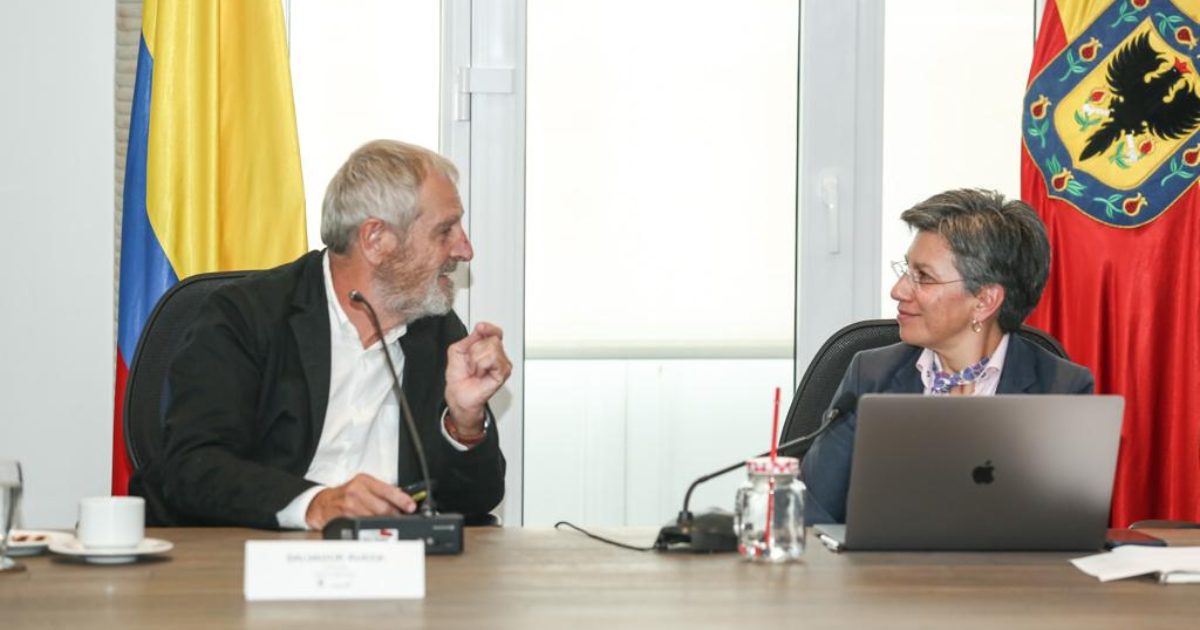
Barrios Vitales ('Vital Neighbourhoods') is Bogota's adaptation of the superblock model, redirecting through-traffic from residential streets onto primary roads while prioritising pedestrians and cyclists. It was launched under Mayor Claudia Lopez as part of a wider '15-minute city' / proximity-urbanism strategy for the district.
Reclaim residential street space for pedestrians and cyclists by identifying and redirecting through-traffic, starting with a first 'vital neighbourhood' pilot.
The first vital neighbourhood, San Felipe (Barrios Unidos locality), converted 1,745 square metres of street space into exclusive pedestrian area, added roughly 1 kilometre of streets for bicycle and skateboard circulation, created 30 safer pedestrian intersections, 5 loading/unloading zones and 72 bicycle parking spaces. Bogota's District Mobility Secretariat worked with the World Bank's transport team, combining mobile-location data (Unacast), traffic data (Mapbox) and real-time congestion reports (Waze) to find that roughly 75% of vehicles clogging some local streets were pure through-traffic with no origin or destination in the neighbourhood.
Bogota reports the San Felipe pilot cut traffic accidents by 46% and increased walking and cycling trips by 5%, directly benefiting around 2,100 residents. The city has since extended the model to a second neighbourhood, Bosa El Porvenir, and plans seven vital neighbourhoods by 2027 and 33 by 2035.
As a flagship programme of one mayoral administration (2020-2023), the initiative's continuation depends on sustained political and budget commitment across subsequent city governments.
National / regional programmes
Indicative funding routes for practices of this type — always check each programme's current calls and eligibility rules.
Reusable artefacts from this practice — as published by their sources.
Do you run this practice? Claim it — verified implementers get a public contact pathway and can propose corrections.
Where this practice's information was retrieved from, and when.
United States of America
A 2009 trial closing Broadway to cars at Times Square and Herald Square cut pedestrian injuries by 35% and motorist …
United States of America
NYC DOT turned Broadway road space into interim plazas with paint and furniture from 2009, then made them permanent after …
New Zealand
Waka Kotahi's ~NZD 24m Innovating Streets fund paid 32 councils to trial 89km of low-cost cycleways, parklets and traffic calming …
Spain
Vitoria-Gasteiz planned 68 superblocks in 2009; in the Sancho el Sabio pilot, CO2 fell 42% (755→438 t), pedestrian space rose …
Open full copilot Grounded in cited practices — always check the sources.