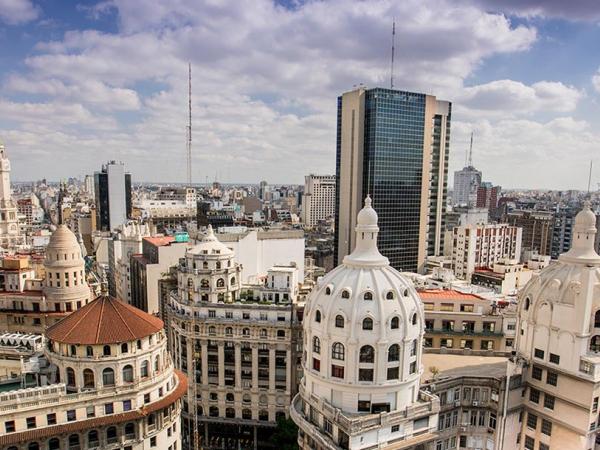
Reclaimed from Río de la Plata landfill and declared a nature reserve in 1986, Buenos Aires' 350-hectare Costanera Sur reserve now hosts 300+ bird species and 500+ native plant species, earning Ramsar and BirdLife Important Bird Area recognition in 2005.
350 hectares
Reserve area
300+ species
Bird species documented
500+ species
Native plant species documented
~1 million visitors/year
Annual visitors
409 hectares
Total protected reserve network (with sister reserves)
The City of Buenos Aires declared the Costanera Sur Ecological Reserve a protected natural area in 1986, on 350 hectares of land reclaimed from the Río de la Plata using construction rubble in the 1970s and then left to regenerate spontaneously into wetlands, grasslands and woodland along the riverfront.
Results
The reserve is now the largest and most biodiverse green space in the city, documented to host more than 300 bird species and more than 500 native plant species. It received Ramsar Convention wetland recognition and BirdLife's Important Bird Area designation in 2005. In 2016, the Argentine Flag butterfly, previously believed extinct in the area, was rediscovered within the reserve. The site draws roughly 1 million visitors a year.
Conclusions
Documentation of the reserve focuses on species counts and formal protection status; no site-specific quantified data on carbon storage, flood attenuation or water quality was found, so those benefits are inferred rather than measured.
Implementation
Indicative cost
Low (< €50k)
Time to results
Long (> 3 years) — Land reclaimed via landfill in the 1970s; declared a protected natural area in 1986; Ramsar/IBA recognition in 2005.
Staffing & skills
City of Buenos Aires, Secretariat of Environment
Conditions for success
Land left to regenerate spontaneously rather than actively landscaped, allowing wetland/grassland/woodland habitat to form
Formal protected-area status (1986) plus international Ramsar and Important Bird Area recognition (2005) reinforcing long-term protection
Do you run this practice?
Claim it —
verified implementers get a public contact pathway and can propose corrections.
Data sources
Where this practice's information was retrieved from, and when.