Costanera Sur Ecological Reserve — Buenos Aires' 350-Hectare Urban Wetland & Wildlife Refuge
Argentina
Reclaimed from Río de la Plata landfill and declared a nature reserve in 1986, Buenos Aires' 350-hectare Costanera Sur reserve …
Ecuador · Quito · See the Ecuador profile · See the Quito profile
Evidence: Observational / pre–post Top 58% 40/100 · Ask Evidence Copilot about this practice
Quito's Botanical Garden turned 1,750 m² of mown grass in Bicentennial Park into seven native-plant microhabitats with 5,900+ plants of 40 species; its own monitoring recorded a five-fold rise in biodiversity within about a year.
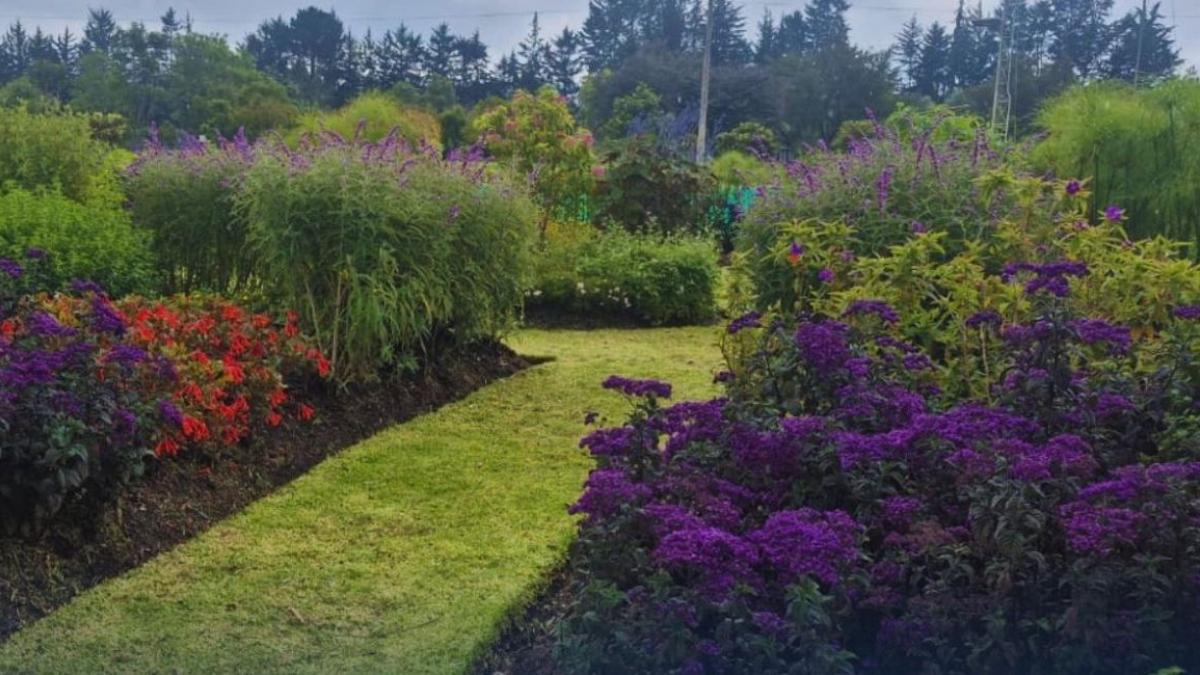
Bicentennial Park, built on the site of Quito's former international airport, includes large areas of low-biodiversity mown grass typical of post-industrial urban parks.
Funded through the Quito Environmental Fund's XVI competitive-grants call and municipal support, the Quito Botanical Garden converted 1,750 m2 of grass into seven native-plant microhabitat gardens, completed by May 2026, installing more than 5,900 plants across 40 native species.
Technical monitoring recorded a five-fold increase in biodiversity in the treated plots compared with the prior grass baseline, with hummingbirds, native bees, ladybugs, pollinating flies and soil fungi now documented on-site.
Officials also cite carbon-capture and urban heat-mitigation contributions, but these have not been independently quantified — published figures come from the implementing agency's own monitoring rather than an externally audited dataset.
National / regional programmes
Indicative funding routes for practices of this type — always check each programme's current calls and eligibility rules.
Do you run this practice? Claim it — verified implementers get a public contact pathway and can propose corrections.
Where this practice's information was retrieved from, and when.
Argentina
Reclaimed from Río de la Plata landfill and declared a nature reserve in 1986, Buenos Aires' 350-hectare Costanera Sur reserve …
Israel
Israel's largest landfill — 25 million tonnes dumped 1952–1998 — was capped and redesigned by architect Peter Latz into an …
Rwanda
REMA restored 121.7 ha of degraded urban wetland in Kigali into the Nyandungu Eco-Park (2016–2020), replanting 17,000 native trees across …
Colombia
Bogotá's Secretaría de Ambiente delivered 13,000 m² of green roofs and vertical gardens by mid-2018 (against a 20,000 m² by-2020 …
Open full copilot Grounded in cited practices — always check the sources.