Fiji Innovation Hub — Reserve Bank-Hosted Fintech and Startup Catalyst in Suva
Fiji
Reserve Bank of Fiji hosts a UNCDF/UNDP-backed innovation hub in Suva that ran a 108-applicant hackathon and a nine-week fintech …
Zimbabwe · Harare · See the Zimbabwe profile · See the Harare profile
Evidence: Descriptive / self-reported Top 39% 71/100 · Ask Evidence Copilot about this practice
Econet launched EcoCash in Harare in 2011 amid cash shortages. In six years it processed over $23bn - more than Zimbabwe's GDP - reaching 6.7m users and 99.8% market share, with evidenced rural-inclusion gains but recurring regulatory friction.
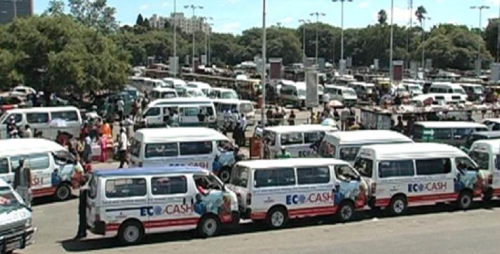
Econet Wireless launched EcoCash in Harare in September 2011, in the aftermath of Zimbabwe's 2008-09 hyperinflation crisis and chronic bank-note shortages that had left much of the population without reliable access to cash or bank accounts.
EcoCash aimed to give Zimbabweans a mobile-money alternative to cash and formal banking, using Econet's telecom network and an agent network to reach areas with little conventional banking infrastructure.
Growth was rapid: EcoCash reported 270,000 active customers within eight months of launch, and by November 2017 had 6.7 million registered users against roughly 2 million conventional bank-account holders in the country, supported by a network that had grown past 9,000 agents.
An academic case study documents that in its first six years of operation EcoCash processed over $23 billion in transactions — more than Zimbabwe's entire GDP of about $22 billion in 2017 — and that it held around 99.8% of Zimbabwe's mobile-money market. Independent academic surveys of rural users found EcoCash's agent network was the most-cited reason (88.6% of respondents in one study) for improved access to financial services, supporting remittances, savings and payments.
The record is not without friction: EcoCash has repeatedly been the subject of central-bank and government intervention — including agent suspensions and transaction-limit orders during currency and inflation crises — illustrating the regulatory volatility that can accompany a dominant single-operator mobile-money platform in a fragile-currency environment.
Own resources / municipal budget
Indicative funding routes for practices of this type — always check each programme's current calls and eligibility rules.
Do you run this practice? Claim it — verified implementers get a public contact pathway and can propose corrections.
Where this practice's information was retrieved from, and when.
Fiji
Reserve Bank of Fiji hosts a UNCDF/UNDP-backed innovation hub in Suva that ran a 108-applicant hackathon and a nine-week fintech …
Kazakhstan
Kazakhstan's Damu Fund tested three SME finance instruments; a 2026 World Bank study found market-aligned partial guarantees raised employment ~24% …
United Arab Emirates
Abu Dhabi's sovereign-backed startup hub, launched March 2019 on Al Maryah Island with AED 535M in government incentives. By 2024, …
Norway
Oslo's 100%-city-owned business development agency, founded 2014. By 2023 the Oslo startup ecosystem it builds counted 2,051 companies employing 14,300 …
Open full copilot Grounded in cited practices — always check the sources.