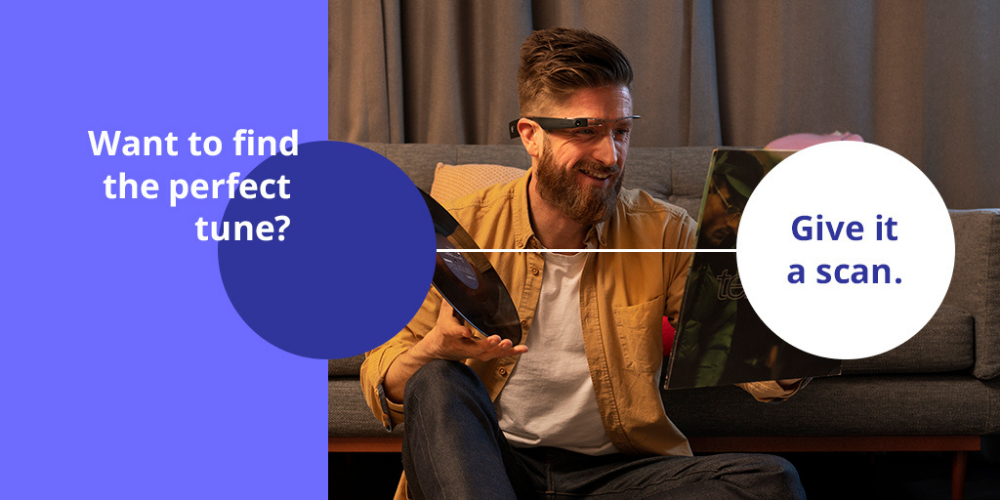
Founded in The Hague in 2017, Envision built AI software reading text in 60+ languages, recognising faces and describing scenes aloud, on smart glasses and a phone app. It reports 200,000+ customers globally and won Google's 2019 Best Accessibility App award.
200,000+
Customers globally
50,000+
Users in Netherlands, US, Japan, Germany
60+
Languages supported for text reading
Details
Maturity
Established
Promoter
Envision (founded by Karthik Kannan and Karthik Mahadevan)
Envision, founded in The Hague in late 2017, builds AI software that reads text in more than 60 languages, recognises faces and describes scenes aloud for blind and low-vision users, shipped both as a smartphone app and embedded in smart glasses retailing at €2,999.
Results
The company reports over 200,000 customers globally, with more than 50,000 users concentrated in the Netherlands, the United States, Japan and Germany, and the Envision app won Google's Best Accessibility App award in 2019.
Implementation
Indicative cost
High (€500k–€5M)
Time to results
Long (> 3 years)
Staffing & skills
Envision product and engineering team
Conditions for success
shipping both a lower-cost smartphone app and premium hardware to widen the range of users who can afford access
Common failure modes
the €2,999 glasses hardware remains out of reach for most users in low-income settings
Do you run this practice?
Claim it —
verified implementers get a public contact pathway and can propose corrections.
Data sources
Where this practice's information was retrieved from, and when.
Israeli company Voiceitt built an AI speech-recognition engine trained on atypical and dysarthric speech, letting people with severe speech impairments …