Tel Aviv Tech — City-Led Startup Ecosystem Development and Global Talent Attraction
Israel
City-managed innovation strategy for Tel Aviv, world's #4 startup ecosystem (Startup Genome 2025). Ecosystem value: $250B; 180+ MNC R&D centres; …
Japan · Fukuoka · See the Japan profile · See the Fukuoka profile
Evidence: Observational / pre–post Top 27% 76/100 · Ask Evidence Copilot about this practice
Japan's first National Strategic Special Zone for global startup creation (December 2014), pioneering the country's startup visa for foreign entrepreneurs. Fukuoka Growth Next hub housed 94 resident startups and 12 VC offices in early 2024; 247 startup visa holders admitted by Se
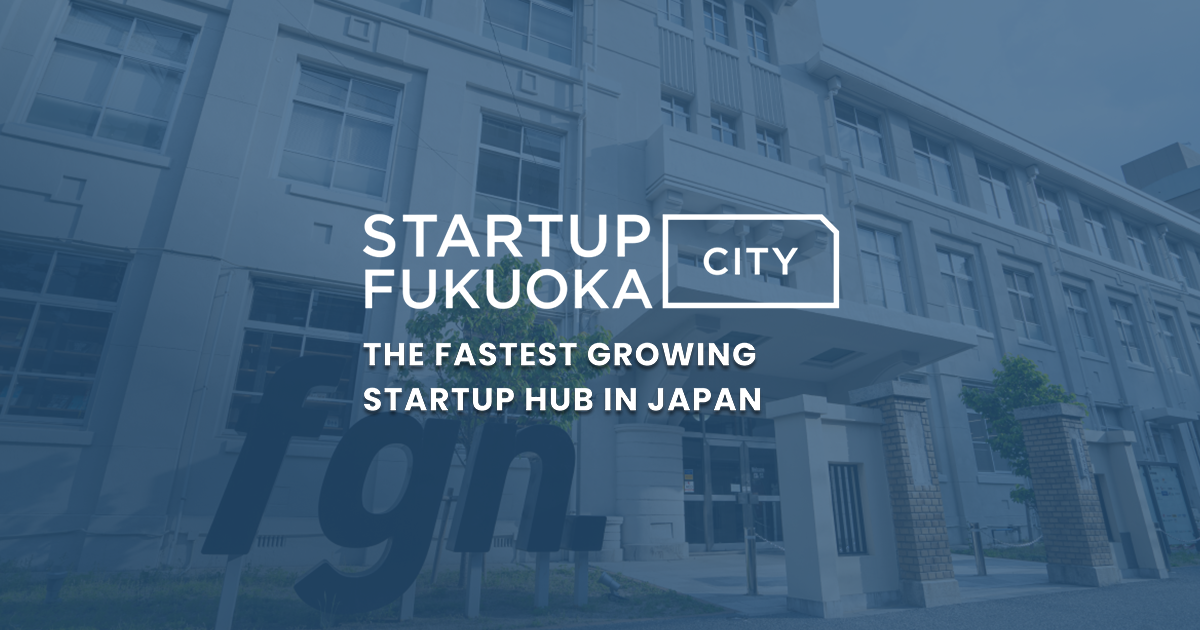
In December 2014, Fukuoka City became Japan's first city designated under the National Strategic Special Zone Act specifically for global startup and job creation, unlocking Japan's pioneering Startup Visa and a package of deregulations for company formation — a departure from Japan's traditionally restrictive immigration policy.
The initiative aimed to attract foreign entrepreneurs and grow a local startup ecosystem by combining regulatory deregulation with a dedicated physical hub and support services.
Fukuoka Growth Next, a 3,000 m² co-working and event venue opened in 2017 in Chuo Ward, became the ecosystem's physical hub, housing early-stage startups alongside venture capital firms and the Fukuoka City Startup Café consultation service. The city runs events, demo days and investor matchmaking in partnership with Fukuoka University, Kyushu University, JETRO and local venture funds.
As of early 2024, the hub accommodated 94 resident startups and 12 venture capital offices. By September 2024, 247 foreign entrepreneurs had been admitted under the Startup Visa programme, representing over 60% of all startup visa holders among Japanese municipalities. In 2023, Japan's Ministry of Justice extended a comparable startup residency pathway to all prefectures, based on Fukuoka's Special Zone pilot.
Fukuoka's clearest evidence of impact is the documented national policy transfer of its startup visa model. However, absolute startup numbers remain modest next to Tokyo's ecosystem, and part of Fukuoka's appeal to foreign founders may reflect its lower cost of living rather than deep structural ecosystem advantages; no independent economic-impact evaluation is yet available.
National / regional programmes
Indicative funding routes for practices of this type — always check each programme's current calls and eligibility rules.
Do you run this practice? Claim it — verified implementers get a public contact pathway and can propose corrections.
Where this practice's information was retrieved from, and when.
Documented replications and adaptations of this practice elsewhere.
| Place | When | Adopter | Outcome |
|---|---|---|---|
| nationwide (all prefectures), Japan | 2023 | Japan Ministry of Justice | Extended a comparable startup residency/visa pathway nationally, based on Fukuoka's Special Zone pilot |
Israel
City-managed innovation strategy for Tel Aviv, world's #4 startup ecosystem (Startup Genome 2025). Ecosystem value: $250B; 180+ MNC R&D centres; …
Chile
World's first government-funded, equity-free international startup accelerator, launched 2010 by CORFO. Over 1,600 startups from 85 countries; alumni raised $998M …
United Arab Emirates
Abu Dhabi's sovereign-backed startup hub, launched March 2019 on Al Maryah Island with AED 535M in government incentives. By 2024, …
India
India's largest state-level startup programme (2006, Kerala), with 63 incubators and 525+ mini-incubation centres. By 2024: 6,400+ startups supported, US$665 …
Open full copilot Grounded in cited practices — always check the sources.