evidoria

← Back to browse

Good practice Imported

Ghana's Nationwide AI Literacy Train-the-Trainer Programme for Civil Servants

Ghana · Accra · See the Ghana profile · See the Accra profile

Evidence: Descriptive / self-reported Top 67% 53/100 · Ask Evidence Copilot about this practice

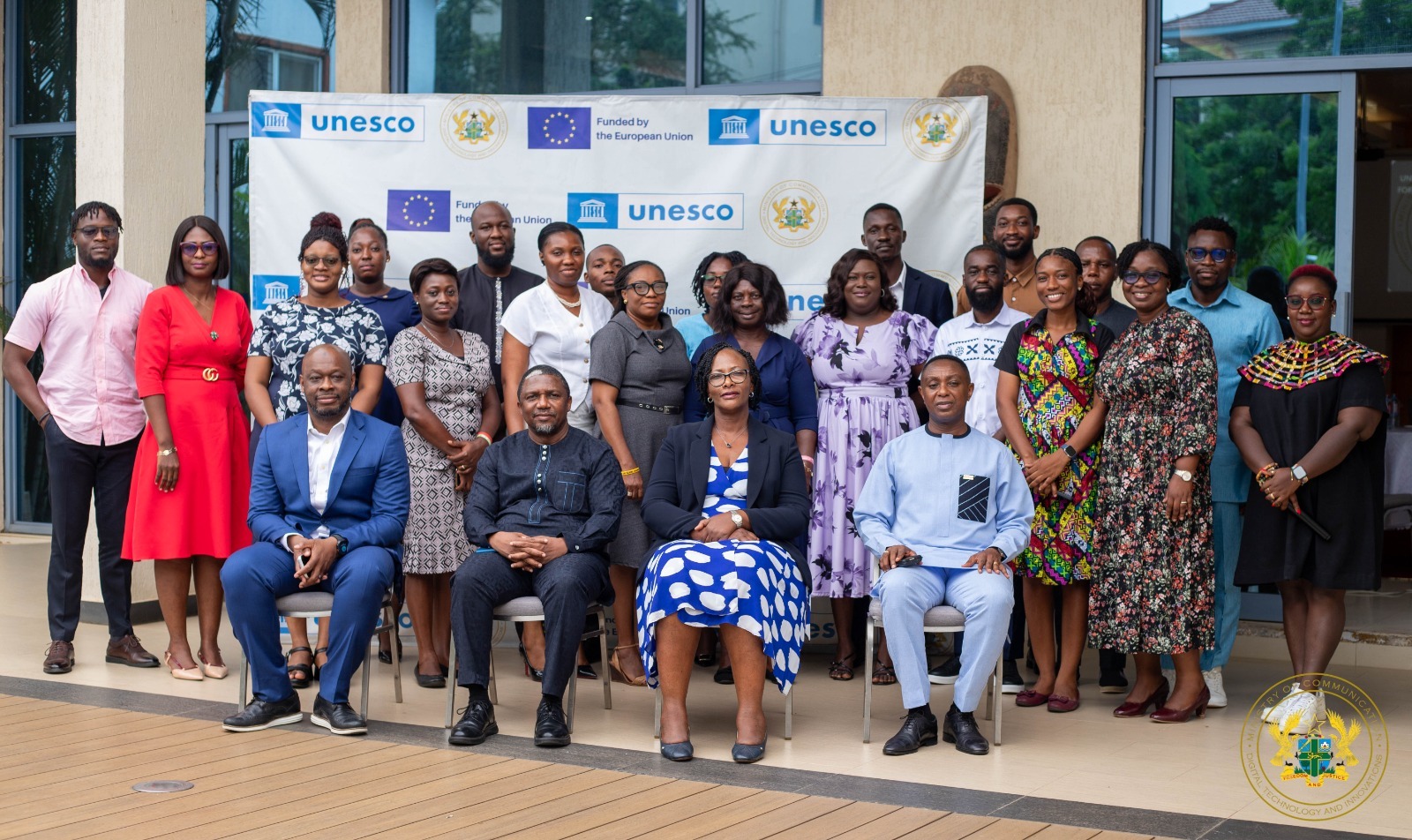
Ghana's Ministry of Communication, Digital Technology and Innovations partnered with UNESCO and the EU to train 240 civil servants as AI-literacy trainers across four cohorts in 2026, using a train-the-trainer model to spread AI skills across ministries.

240 civil servants
Civil servants trained as AI-literacy focal points (Mar-Jul 2026)
Ghana's Nationwide AI Literacy Train-the-Trainer Programme for Civil Servants

Details

Maturity
Pilot
Promoter
Ministry of Communication, Digital Technology and Innovations (with UNESCO and the European Union)
Period
2026-03/2026-07
Keywords
public administration, capacity building, digital government, civil service training

Context

Ghana's National AI Strategy (2023-2033) requires digital capacity across the whole public administration; the Ministry of Communication, Digital Technology and Innovations, in partnership with UNESCO and with European Union funding, launched an AI literacy training programme for the civil service.

Activities

The first cohort ran 24-26 March 2026 at the Best Western Premier Hotel in Accra; the programme was delivered across four cohorts through May/July 2026, training 240 civil servants as "focal points" through a train-the-trainer model, with a curriculum covering algorithmic bias, misinformation, data protection and cybersecurity, aligned with UNESCO's AI Readiness Assessment Methodology (RAM).

Results

The figures published so far are participant counts and completion of training cohorts; there is no independent evaluation yet of downstream AI adoption or productivity gains in the institutions the trained focal points work in. Ghana's RAM report is expected to provide the evidence base for further implementation of the national strategy.

Implementation

Indicative cost
Low (< €50k)
Time to results
Short (< 1 year)
Staffing & skills
Ministry of Communication, Digital Technology and Innovations runs the programme, with UNESCO providing technical/methodological support and the European Union providing funding

Conditions for success

  • Train-the-trainer model designed to spread AI skills across ministries via trained 'focal points'
  • Curriculum aligned with UNESCO's AI Readiness Assessment Methodology (RAM) and covers algorithmic bias, misinformation, data protection and cybersecurity

Common failure modes

  • No independent evaluation yet exists of downstream AI adoption or productivity gains in the institutions where trained focal points work

Where it fits

Governance type
national government ministry with international donor/technical partners
Scale
national (four training cohorts)
Income level
lower-middle-income

Commonly funded by

National / regional programmes

Indicative funding routes for practices of this type — always check each programme's current calls and eligibility rules.

Do you run this practice? Claim it — verified implementers get a public contact pathway and can propose corrections.

Data sources

Where this practice's information was retrieved from, and when.

Attachments

Similar practices you may find useful